






The Summer Holiday Meltdown
For years, the script was simple: escape the Indian summer or monsoon for a sun-drenched European holiday. Picturesque alleys in Italy, ancient ruins in Greece, vibrant streets in Spain. But the fantasy is colliding with a fiery reality. Recent summers
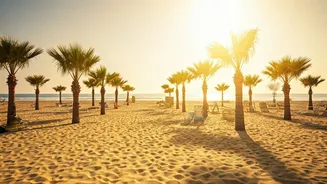
have seen these dream destinations turn into furnaces, with temperatures soaring past 40°C. Tourists have collapsed from heatstroke at the Acropolis, wildfires have forced evacuations from Greek islands, and locals are advising visitors to stay indoors during the hottest parts of the day. The 'golden hour' for photography has been replaced by a desperate search for air conditioning. This isn't a freak occurrence; it's a pattern, driven by a warming climate. Continuing to plan trips as if it’s 2010 is not just uncomfortable, it’s becoming actively dangerous.
What is 'Cool-Cation' Thinking?
A 'cool-cation' is not just about swapping a beach for a glacier. It’s a fundamental shift in how we approach travel planning. It's about being strategic, flexible, and climate-aware. Instead of being fixated on a specific place at a specific time (like Paris in July), it’s about prioritizing comfort, enjoyment, and safety. This mindset involves three key pillars: timing, location, and activity. It means asking different questions during your planning stage. Not just 'Where do I want to go?' but 'When is the best time to experience this place comfortably?' or 'What destinations offer a cooler escape during my travel window?' or 'How can I structure my days to avoid the worst of the heat?' It's about travelling smarter, not harder.
Embrace the Shoulder Seasons
The single most effective cool-cation strategy is to fall in love with the 'shoulder seasons'. These are the months bordering the peak season, typically April-May and September-October in the Northern Hemisphere. The benefits are enormous. The weather is usually sublime—pleasantly warm rather than punishingly hot. The crowds are thinner, meaning less time spent in queues and more space to breathe at famous landmarks. And very often, flight and hotel prices are significantly lower than in the peak months of June, July, and August. Imagine strolling through Rome in late September when the air is crisp, or seeing the tulips in the Netherlands in April without the crushing summer crowds. You get a better version of the same destination, simply by shifting your calendar.
Think North, South, and Higher
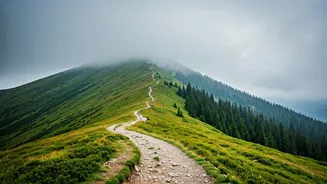
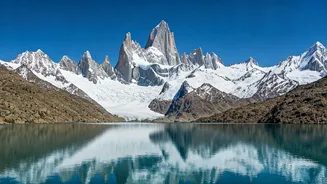
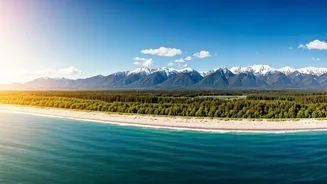
If you must travel during the peak summer months, it's time to redraw your mental map. Instead of the Mediterranean, look north. The Scandinavian countries—Denmark, Norway, Sweden—offer stunning natural beauty, vibrant cities, and pleasantly mild summer temperatures. Consider the dramatic landscapes of Scotland, the charming coastal towns of Ireland, or the vast, beautiful wilderness of Canada. Alternatively, flip your world upside down. When it's summer in India, it's winter in the Southern Hemisphere. This is the perfect time for a cosy trip to New Zealand, a city break in Melbourne, or exploring parts of Argentina. Domestically, this means thinking beyond the usual Himalayan haunts and exploring less-crowded, high-altitude regions or planning coastal trips with a focus on the monsoon's cooler, greener charm.
Reimagine Your Daily Itinerary
Even in a warm destination, a cool-cation mindset can save your trip. It’s about adapting your rhythm to the local climate. Ditch the idea of a packed 10 AM to 5 PM sightseeing schedule. Instead, adopt a more Mediterranean pace. Wake up early for a morning walk and visit outdoor sites before the crowds and the heat build. Plan for a long, leisurely lunch and perhaps a siesta or a dip in the hotel pool during the sweltering afternoon hours. Earmark museums, galleries, and shopping malls for this period. As the sun begins to dip, head back out for evening exploration, when the city comes alive again in the cooler air, followed by a late dinner. This approach lets you enjoy the destination without risking exhaustion or heatstroke.