






The Great Monsoon Travel Gamble
Planning a family vacation between June and October can feel like a roll of the dice. This is the time when India is at its most lush and beautiful, but it's also when travel plans are most vulnerable. Heavy rains can lead to a cascade of problems that
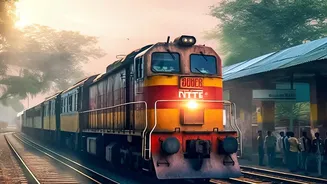
turn a dream trip into a logistical nightmare. Flight schedules become unpredictable, with delays and cancellations becoming common at major airports like Mumbai and Delhi due to low visibility and thunderstorms. Train journeys can be similarly affected. Beyond the airports and stations, road travel presents its own set of challenges. Landslides can cut off access to popular hill stations, while waterlogged highways can bring traffic to a standstill for hours, turning a simple drive into a marathon. For families, especially those with young children, these disruptions aren't just inconvenient; they're stressful and exhausting.
The Rise of the Proximity Trip
In response to this seasonal uncertainty, many families are embracing a smarter travel strategy: the proximity trip. The idea is simple yet effective: instead of planning an ambitious cross-country tour, you opt for a short, accessible getaway close to home. This might mean a two-night stay at a resort just outside your city, a road trip to a nearby heritage town, or exploring a nature reserve that's only a few hours' drive away. Proximity trips shift the focus from the destination's fame to its accessibility and resilience. The goal isn't to travel far, but to travel well, maximising relaxation and family time while minimising the risk of disruption.
Less Transit, Less Risk
The primary advantage of a proximity trip is the reduced exposure to potential travel hazards. A three-hour drive is inherently less risky than a long-haul flight or a multi-day train journey. You spend less time in transit, which means fewer opportunities for something to go wrong. If a particular route is blocked due to waterlogging, it’s much easier to find an alternative for a short journey. This approach mitigates the biggest source of monsoon travel anxiety—the fear of getting stranded. By staying closer to home, you retain a greater degree of control and can navigate unforeseen challenges with much less stress.
Flexibility is Your Superpower
Monsoon weather is famously fickle. A sunny morning can turn into a torrential downpour by the afternoon. Proximity trips are perfectly suited to this reality because they allow for incredible flexibility. You can often make plans at the last minute based on short-term weather forecasts. If a severe weather warning is issued, it's far easier and cheaper to postpone or cancel a trip to a local resort than it is to deal with non-refundable flights and complex itineraries. This ability to be spontaneous and react to the weather as it happens is a huge advantage, ensuring you only travel when conditions are safe and pleasant.
Discovering Your Own Backyard
Often, in our quest to see the world, we overlook the gems hidden in our own regions. Proximity trips encourage a deeper appreciation for local culture, cuisine, and nature. A weekend trip can be a chance to explore that fort you've always driven past, visit a local artisan village, or enjoy the regional monsoon delicacies you can't find anywhere else. These trips provide wonderful learning opportunities for children, connecting them to their local environment and heritage in a tangible way. Destinations like Lonavala near Mumbai, the outskirts of Bengaluru, or the Aravali hills near Delhi transform into stunning green paradises during the rains, offering world-class experiences without the long journey.
Health, Comfort, and Savings
Beyond logistics, proximity trips offer practical benefits for family well-being. Shorter journeys are more comfortable for children and elderly family members. They also reduce exposure to crowded transit hubs where seasonal illnesses can spread. During the monsoon, it's advised to be cautious with food and water, and it's often easier to manage this when you're on a shorter, more controlled trip. Furthermore, these getaways are kinder to your wallet. With no expensive flight tickets, costs are significantly lower, making it possible to enjoy more frequent breaks. You can choose to splurge on a nicer resort or unique experiences, creating rich memories without the financial strain of a major vacation.