





The Enduring Love for Fried Snacks
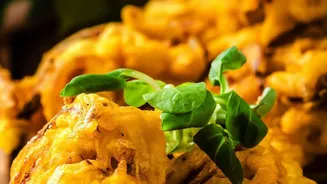
From the monsoon craving for onion pakoras to the comforting presence of medu vada with breakfast, fried fritters are more than just food in India; they are a cultural touchstone. Each region has its own beloved version, from the aloo bonda of the west
to the paneer pakora of the north. These snacks punctuate daily life, served with evening tea, shared during festivals, and sold on bustling street corners. Traditionally, the magic happens in a kadhai of hot oil, which delivers that signature golden, crispy texture. However, this deep-frying method comes with a well-known downside: high oil absorption, leading to increased calories and fat.
The 'Healthier' Promise of Air Frying
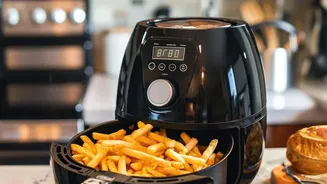
Enter the air fryer, an appliance that has rapidly found a place on the modern Indian kitchen counter. It works by circulating superheated air at high speed to cook food, mimicking the effect of deep-frying with a fraction of the oil. This method can reduce oil usage by up to 80%, leading to a significant drop in calories and fat. For example, a deep-fried samosa can contain over 260 calories, while its air-fried counterpart might have around 180-200. This reduction not only helps with weight management but also lowers the intake of potentially harmful compounds like acrylamide, which can form when starchy foods are fried in oil at high temperatures. The result is a lighter snack that doesn't leave you feeling heavy, allowing the spices and core ingredients to shine.
Golden Rules for Crispy Air-Fried Fritters
Achieving that perfect crunch in an air fryer requires a few adjustments to traditional techniques. The consistency of the batter is crucial; it should be thick enough to cling to the vegetables without being runny. A little rice flour mixed with the gram flour (besan) can enhance crispiness. Preheating the air fryer is essential for an initial blast of heat that sets the fritter's crust. Most importantly, do not overcrowd the basket. Fritters need space for the hot air to circulate and cook them evenly. Cooking in a single layer and flipping them halfway through is non-negotiable for an even, golden-brown finish. A light spray or brushing of oil on the fritters before and during cooking is the secret to achieving that deep-fried look and texture.
Adapting Regional Favourites
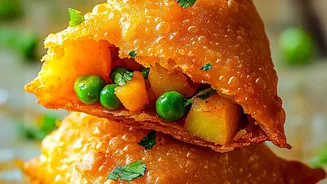
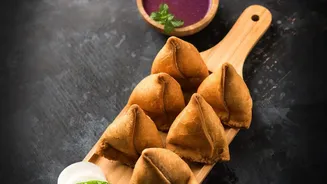
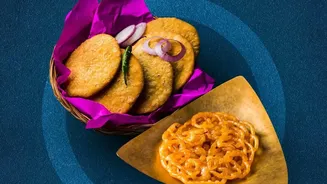
Most regional fritters can be successfully adapted for the air fryer. For drier snacks like onion or vegetable pakoras, the transition is straightforward. Simply form small, slightly flattened patties to ensure they cook through. For snacks with a wetter batter, like South India's medu vada, the technique needs a slight modification. Since the traditional doughnut shape is difficult to form and hold in an air fryer, many cooks drop small dollops of the thick batter directly into the greased basket. Some even suggest freezing the shaped vadas for a few minutes to help them hold their form or using silicone molds. For stuffed items like samosas or bread pakoras, simply brush them with oil and air fry until golden, turning once for even crisping.
The Verdict: Tradition Meets Technology
While some purists might argue that the richness of deep-frying is irreplaceable, the air fryer offers a compelling compromise. The texture is slightly different—more of a crisp lightness than a rich, flaky crunch—but the flavour remains authentic. It allows families to enjoy their beloved comfort foods more frequently without the associated health concerns. This isn't about replacing the kadhai entirely; occasional deep-frying is still a joy. Rather, it's about integrating a smarter, healthier method for everyday snacking. The air fryer has become a tool that helps preserve culinary traditions by adapting them for a more health-conscious generation, proving that you don't have to choose between heritage and health.