



The Light Equation: Beyond the Windowsill
The single most common mistake in indoor gardening is mismatching a plant with its light source. Light is a plant's food, and not all light is created equal. An apartment window in India can offer anything from scorching direct sun to gentle, ambient
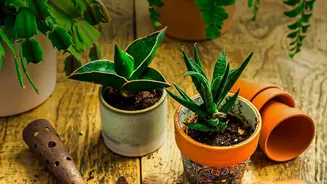
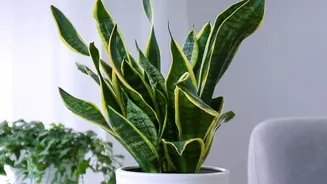
light. South and west-facing windows provide the most intense light, which is often too harsh for popular tropical plants like Monsteras or Peace Lilies, leading to scorched leaves. Most common houseplants thrive in bright, indirect light. This is the light you’ll find a few feet away from an east-facing window, or near a south-facing window that's covered by a sheer curtain. North-facing windows provide the lowest light, which is only suitable for resilient plants like the Snake Plant or ZZ Plant. Before you buy a plant, observe the light in your chosen spot throughout the day. That dark corner might look like it needs greenery, but a plant placed there is essentially being starved.
Temperature and Drafts: The Invisible Stressors
Indian apartments are zones of fluctuating temperatures. The blast from an air conditioner or the constant heat from a nearby appliance can create a stressful microclimate for a plant. Most indoor plants prefer a stable temperature environment, ideally between 18-24°C. Placing a plant directly in the line of an AC vent or near a window that gets a hot draft can cause leaves to dry out, droop, or develop brown tips. Sudden temperature drops or spikes interfere with a plant's basic functions. Think about where you place your green companions. A spot that seems perfect in the morning might become a blast furnace in the afternoon or an icebox at night when the AC is running. Consistency is key to avoiding this environmental stress.
Humidity: Recreating the Tropical Feel
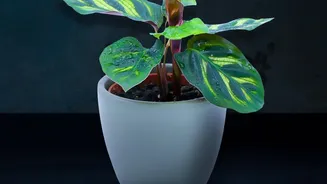
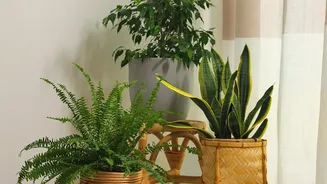
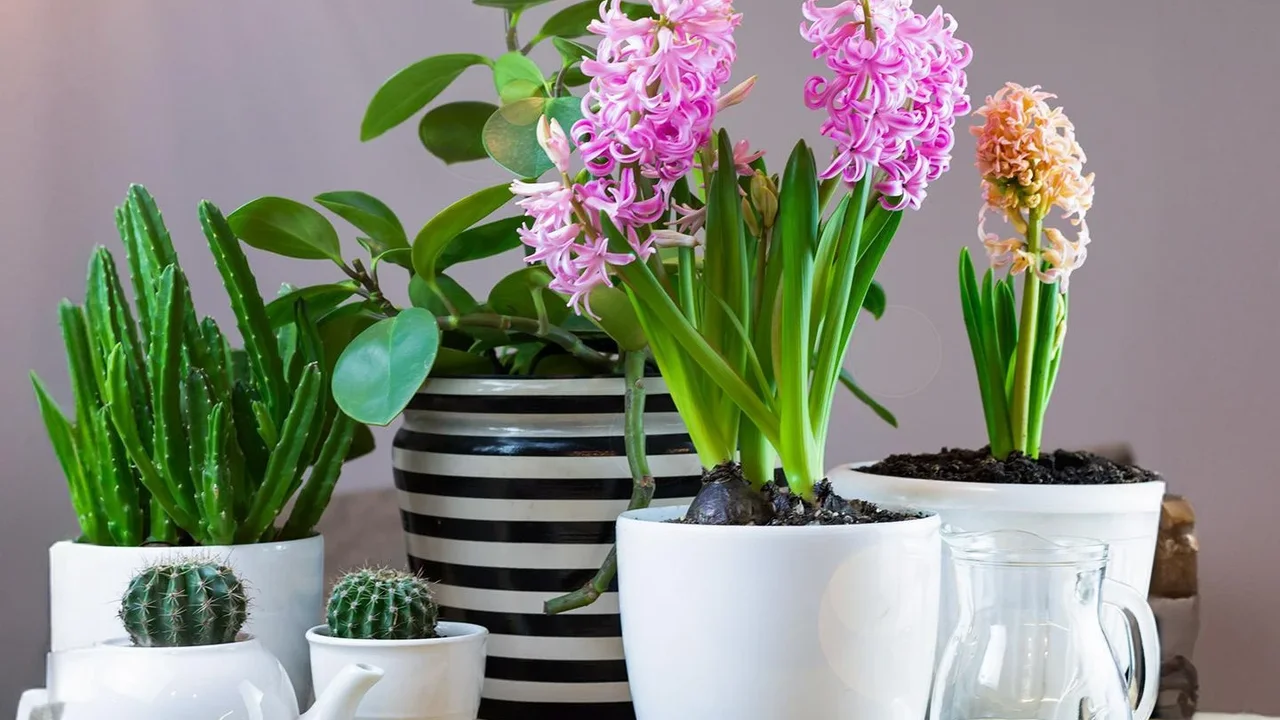
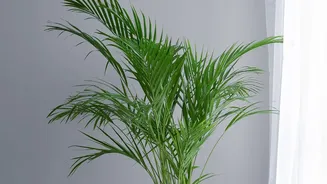
Many popular indoor plants, like Areca Palms, ferns, and Calatheas, are native to tropical rainforests and crave high humidity. The air inside an air-conditioned Indian apartment is often very dry, which can lead to crispy leaf edges and stunted growth. Watering the soil doesn't help the leaves combat dry air. To increase humidity, you can group your plants together. As they release moisture through a process called transpiration, they create a more humid micro-environment for each other. Another simple trick is placing pots on a tray filled with pebbles and a little water; as the water evaporates, it will increase the ambient moisture. Bathrooms, which naturally have higher humidity, are often a great location for plants like Boston Ferns that love a damp atmosphere.
Space and Airflow: Room to Breathe
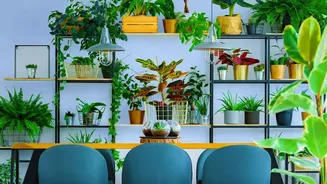
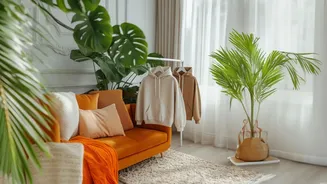
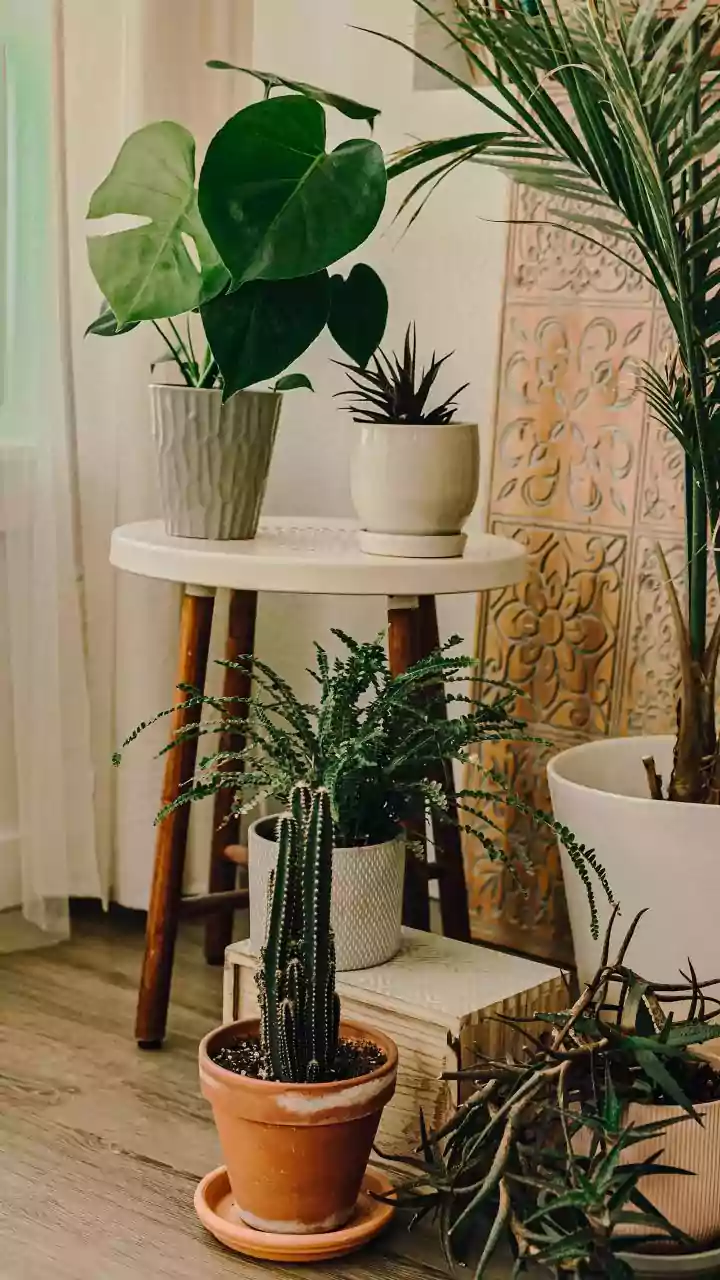
Just like people, plants need their personal space. Crowding them together can look lush, but it restricts airflow, which can create a breeding ground for pests and fungal diseases. Good air circulation helps the soil dry out evenly after watering and keeps the leaves healthy. Placement also has a design function. Using vertical space is a fantastic strategy for small apartments. Hanging planters for trailing plants like Pothos (Money Plant) or placing tall, upright plants like a Snake Plant in a corner can add greenery without taking up precious floor space. A well-placed plant can act as a natural divider or a living piece of art, enhancing the room's aesthetic. Strategic placement ensures the plant is not just surviving, but is also a beautiful, integrated part of your home decor.
Matching Plant to Place: A Practical Approach
Instead of buying a plant and then looking for a spot, try the reverse: assess a spot and find a plant that will thrive there. The balcony that gets morning sun is perfect for a flowering plant like Jasmine or a fruiting plant in a container. The living room with its bright, indirect light is ideal for a Fiddle Leaf Fig or an Areca Palm. That shadier bedroom corner could be the perfect home for a ZZ Plant, which tolerates low light well. By thinking about placement first, you set your indoor garden up for success. This intentional approach stops you from making impulse buys at the nursery that are doomed from the start. A little planning transforms plant care from a frustrating chore into a rewarding hobby.