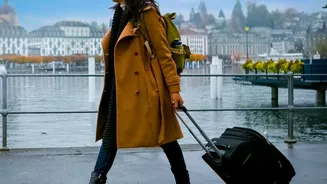







The Shifting Narrative of Solo Journeys
For years, solo travel was synonymous with a soul-searching quest, often depicted as a challenging trek into nature to 'find oneself'. While that still holds appeal, a significant shift is underway. Today, the solo travel market is booming, with projections
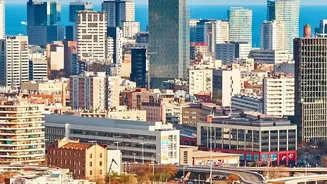
suggesting it will exceed a trillion dollars by 2030. This growth is driven by a new mindset, especially among Millennial and Gen Z travelers, who prioritize flexibility, personal interests, and cultural immersion. They are discovering that the perfect place for this is not necessarily a secluded beach, but a bustling metropolis. The modern solo journey is less about isolation and more about curated independence within a connected environment.
Safety, Structure, and Spontaneity
One of the biggest drivers behind the urban solo travel trend is the simple calculus of comfort and safety. Cities offer an inherent infrastructure that remote locations lack. Think reliable public transportation, easy access to ride-sharing apps, constant connectivity for navigation, and the reassuring presence of other people. This sense of security allows travelers, particularly the large and growing demographic of solo female travelers, to step outside their comfort zone with a safety net. It creates a space where one can be spontaneous—ducking into a museum, joining a walking tour, or finding a highly-rated restaurant on the fly—without the logistical hurdles of navigating an unfamiliar, isolated area.
An Endless Buffet of Experiences for One
A city is a playground for the individual. Unlike group travel, which often requires compromise, solo urban exploration allows for a completely personalized itinerary. You can spend five hours in an art gallery, linger over a coffee with a book for an entire afternoon, or explore niche historical sites without worrying about a companion's schedule. Cities like Paris, Kyoto, and Istanbul have long been draws for their rich cultural tapestry, which can be absorbed more deeply when experienced alone. This freedom to pursue personal interests without judgment or negotiation is a core appeal, offering a chance to truly connect with a place on one's own terms.
Alone, But Not Lonely
A common fear associated with traveling alone is loneliness, but urban environments cleverly subvert this. Paradoxically, being solo in a city can lead to more meaningful social connections. Travelers are often more approachable when alone, and more open to striking up conversations with locals or fellow adventurers in cafes, bars, or hostels. The rise of co-working spaces and curated travel experiences also provides options for 'socially-solo' activities, allowing individuals to opt-in to group settings when they choose. This model offers the best of both worlds: the autonomy of a solo trip combined with opportunities for connection, dispelling the myth that traveling alone means being lonely.