




The Summer Sugar Rollercoaster
We all wait for it—that first bite of a ripe Alphonso mango, the sweet burst of a lychee, or the refreshing coolness of a watermelon slice on a hot afternoon. These fruits are nature’s candy, packed with vitamins, antioxidants, and fibre. However, they
are also rich in natural sugars, primarily fructose. When you eat a large portion of fruit on an empty stomach, your body gets a rapid influx of this sugar. This can cause your blood glucose levels to spike, giving you a quick burst of energy. But what goes up must come down. This spike is often followed by a sharp crash, leading to feelings of fatigue, irritability, and even more sugar cravings. This cycle is often referred to as a 'sugar rollercoaster,' and it can leave you feeling drained rather than refreshed.
Why Protein is the Perfect Partner
This is where protein comes in. Think of it as the responsible friend that helps you moderate your fun. When you consume protein alongside carbohydrates (like the sugar in fruit), it works its magic in several ways. Firstly, protein takes longer to digest than simple sugars. This process slows down the absorption of glucose into your bloodstream. Instead of a sudden jolt, you get a more gradual, sustained release of energy. This simple act prevents the dramatic blood sugar spike and the subsequent crash, keeping your energy levels stable. Secondly, protein is known for its effect on satiety—the feeling of fullness. Adding a source of protein to your fruit snack makes it more satisfying, helping you feel full for longer and reducing the temptation to overindulge or reach for another snack soon after.
Simple, Delicious Protein Pairings
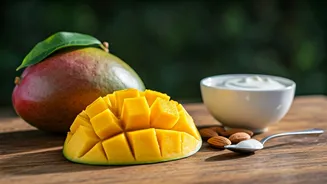
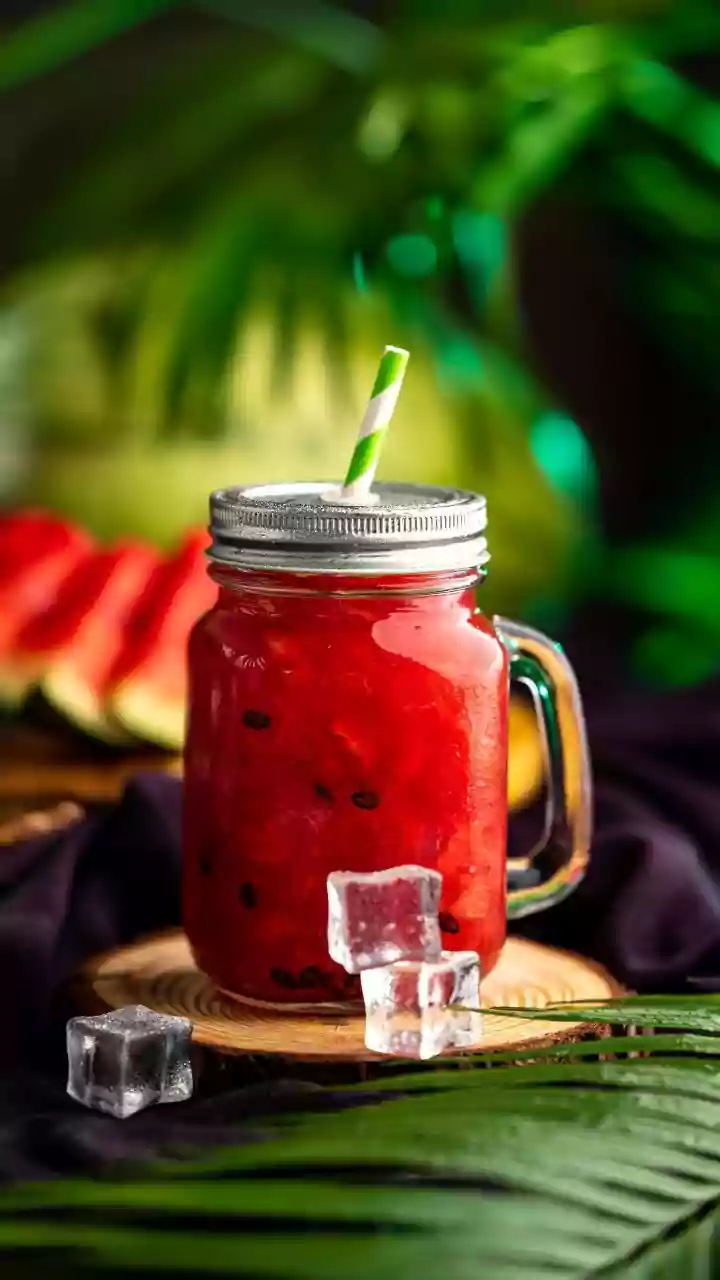
Balancing your fruit intake doesn’t mean complicated meal prep or bland additions. It’s about making smart, simple, and delicious combinations that are already part of the Indian culinary landscape. The goal is to make your snack more complete and satisfying. Here are a few easy ideas to get you started: * **Mangoes with Dahi:** A classic for a reason. Enjoy your sliced mangoes with a bowl of thick, creamy dahi (yogurt) or Greek yogurt. The protein and fat in the yogurt will temper the fruit’s sweetness and sugar impact. * **Watermelon with Paneer:** Crumble some fresh paneer over your watermelon cubes and add a sprinkle of chaat masala and fresh mint. It's a refreshing, savoury-sweet combination that feels like a gourmet salad. * **Bananas or Chikoos with Nuts:** Instead of eating a banana by itself, have it with a small handful of almonds, walnuts, or pistachios. You can also blend it into a smoothie with a scoop of protein powder or a tablespoon of peanut butter. * **Lychees or Grapes with Seeds:** Pair these smaller, high-sugar fruits with a mix of pumpkin seeds, sunflower seeds, or chia seeds. You can make a small trail mix or sprinkle the seeds over a fruit bowl. * **Jackfruit with Roasted Chana:** The meaty texture of jackfruit pairs surprisingly well with the crunch of roasted chana (chickpeas). This combination provides both protein and extra fibre, making it a powerful snack.
More Than Just Blood Sugar Control
The benefits of this simple food habit extend beyond just managing your energy levels. For those who are active or trying to maintain muscle mass, pairing fruit with protein ensures that the snack contributes to muscle repair and growth. It turns a simple sugar source into a more nutritionally robust mini-meal. Furthermore, many of us struggle to meet our daily protein requirements. Incorporating protein into your snacks is an easy and effective strategy to boost your overall intake without having to eat larger meals. It’s a small change that contributes significantly to a more balanced diet, ensuring you get a good mix of macronutrients—carbohydrates for energy, protein for repair, and healthy fats (from nuts and seeds) for overall function.