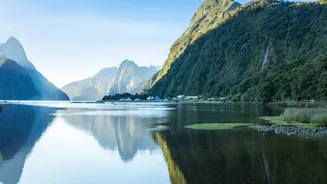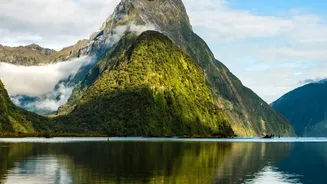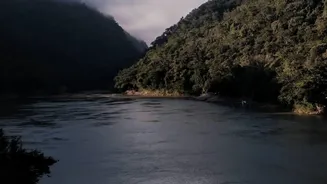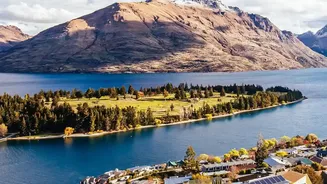



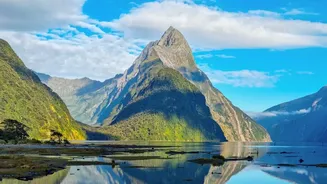
When you think of Fiordland, the majestic Milford Sound likely comes to mind. But for those willing to venture further, this vast wilderness hides even more profound beauty and solitude, far from the bustling tour boats and crowded lookouts.
Doubtful Sound: The Sound of Silence
Often overshadowed
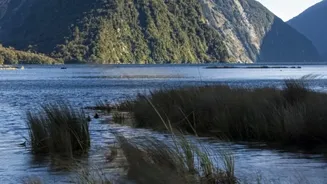
by its famous northern neighbour, Doubtful Sound offers a different kind of grandeur. Known in Māori as Patea, or 'the place of silence,' it’s ten times larger and three times longer than Milford Sound. Its sheer scale creates an atmosphere of profound tranquility. Getting there is an adventure in itself, typically involving a boat trip across Lake Manapouri followed by a bus journey over the Wilmot Pass, a road famously disconnected from the main network. Once there, the vast, quiet waters, towering cliffs, and cascading waterfalls feel like a world apart. The longer, less crowded cruises provide ample opportunity to spot wildlife like dolphins, fur seals, and the rare Fiordland crested penguin.
Dusky Sound: The Remote Giant
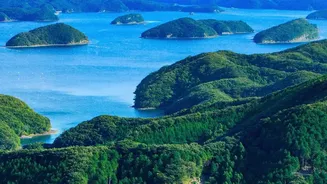
For the truly adventurous, Dusky Sound is Fiordland at its most remote and untouched. As the largest fiord in the park, its isolation has preserved a pristine ecosystem that few get to witness. There are no roads here; access is exclusively by multi-day boat expeditions or helicopter. This is a place steeped in history, visited by Captain Cook in 1773, and its shores hold stories of early European sealers and conservation efforts. Exploring its 40-kilometre length, dotted with over 350 islands, feels like stepping into a prehistoric world. Expeditions here are immersive journeys, offering chances for kayaking in sheltered coves, shore excursions to historic sites, and the profound quiet that only comes with true wilderness.
George Sound: The Hiker's Fiord
While most visitors experience the fiords from the deck of a boat, George Sound offers a rare opportunity to arrive on foot. This is the destination for serious trampers seeking a rugged backcountry challenge. The George Sound Track is a demanding multi-day route that traverses two mountain valleys and a major pass, rewarding hikers with spectacular wilderness scenery. The trail is rough, often muddy, and requires river crossing skills, but the payoff is immense: the solitude of reaching a stunning fiord that few people see from the land. The sense of accomplishment is matched only by the pristine beauty of the fiord itself, which can be explored by kayak for those who carry one in or arrange a drop-off.
Lesser-Known Hikes: Alpine Lakes and Valleys
Beyond the famous fiords, Fiordland’s inland trails provide scenery that is just as dramatic. The Lake Marian Track is a challenging day hike that climbs through lush native forest to a breathtaking alpine lake cradled in a hanging valley. For those wanting a taste of a Great Walk without the multi-day commitment, the Key Summit Track, part of the Routeburn, offers panoramic views of surrounding peaks and valleys in just a few hours. More experienced trampers might tackle the Hollyford Track, a lower-altitude journey through ancient rainforest that follows the path of early Māori explorers, or the demanding Gertrude Saddle Route for phenomenal alpine views.
Preservation Inlet: A Journey to the Edge
As the southernmost fiord in the park, Rakituma / Preservation Inlet is a destination defined by its remoteness and rich history. According to Māori legend, this was where the demigod Tū-te-raki-whānoa began carving the fiords, resulting in a rougher, more complex coastline with many islands. In the 19th century, it was briefly home to gold miners and whalers, and relics from this era can still be found. Today, it's a sanctuary for wildlife and a place of deep cultural significance. Like Dusky Sound, reaching Preservation Inlet requires a dedicated sea expedition, offering an intimate experience of Fiordland’s wild, windswept coast far from any crowds.