






An Ancient Tradition from Southern India
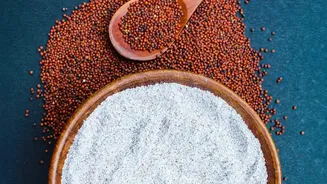
Ambali is a traditional porridge-like drink originating from the southern states of India, particularly Karnataka, Andhra Pradesh, and Telangana. It's made from finger millet, popularly known as ragi, a grain that has been a staple in the region for centuries.
The process is simple yet profound: ragi flour is cooked into a porridge and then left to ferment naturally, often overnight. This fermentation gives the drink its characteristic mild, tangy flavour and a host of health benefits. Traditionally, it’s a farmer's drink—a source of sustained energy and hydration under the hot sun. Served either sweet or, more commonly, savoury with additions like buttermilk, salt, and chopped onions, it’s a complete, minimalist meal in a glass.
The Nutritional Power of Fermentation
The magic of Ambali lies in its fermentation. This natural process transforms the already nutritious ragi into a probiotic powerhouse. The fermentation encourages the growth of beneficial gut bacteria, making Ambali excellent for digestion and gut health. Furthermore, the process breaks down certain 'anti-nutrients' like phytates found in grains, which can inhibit mineral absorption. This makes the abundant nutrients in ragi—especially calcium and iron—more bioavailable, meaning your body can absorb them more easily. Ragi itself is a nutritional champion; it's one of the best plant-based sources of calcium, crucial for bone health, and is packed with dietary fibre, which aids in weight management and helps regulate blood sugar levels due to its low glycemic index.
A Natural Coolant and Hydrator
Long before air conditioners and refrigerated drinks, communities relied on natural methods to stay cool, and Ambali was a key part of that strategy. According to Ayurveda, ragi is considered to have cooling properties that help balance body heat. Its high water content makes it an incredibly effective hydrator, replenishing fluids and electrolytes lost to the heat. This makes it an ideal summer beverage, offering a refreshing and nourishing alternative to sugary, processed drinks. The drink's ability to cool the system from the inside out is one of the primary reasons for its enduring popularity in rural households during the hottest months of the year.
From Humble Staple to Urban Trend
The revival of ancient grains and traditional food practices is a global movement, and India is seeing a powerful resurgence of interest in its own culinary heritage. Millets like ragi, once considered 'poor man's food', are now celebrated for their sustainability and superior nutritional profiles. Chefs and wellness advocates are looking to time-tested recipes like Ambali, recognizing their relevance in a modern context. As consumers become more health-conscious and seek out natural, probiotic-rich foods, beverages like Ambali are finding their way onto the menus of trendy cafes and health-food restaurants. This shift represents more than just a food trend; it’s a cultural reclamation, a nod to the profound wisdom embedded in traditional food systems.
The Modern Ambali Experience
Today, Ambali is being presented in ways that appeal to a new generation of diners. While the traditional savoury version with buttermilk and spices remains a classic, some establishments are experimenting with new flavour profiles. You might find it blended with mint and cumin for extra freshness or lightly sweetened with jaggery as a healthier dessert-like drink. The presentation is also getting an upgrade, served in stylish glassware that positions it alongside other popular health drinks like kombucha or kefir. This modern makeover helps bridge the gap between its rustic origins and its new status as a chic wellness beverage, making ancient wisdom accessible and appealing to urban palates.