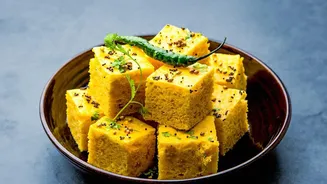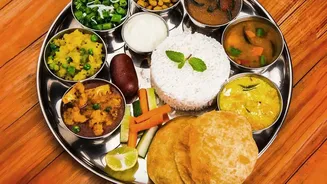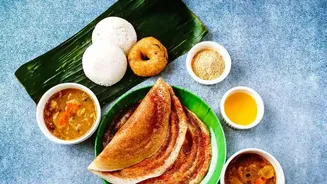




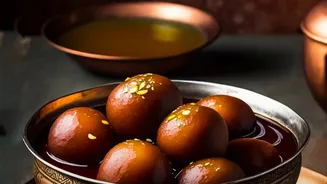
Beyond the familiar menus of city restaurants, a quiet culinary revolution is taking place. Passionate home chefs are turning their dining tables into sought-after destinations, using pop-up events to introduce food lovers to a side of India they've never
tasted.
A Culinary Revolution Beyond Restaurants
For decades, dining out in India often meant choosing from a familiar roster: Mughlai curries, Indo-Chinese staples, or perhaps a coastal specialty. But today, an exciting shift is underway, driven not by five-star hotels but by passionate individuals. The pop-up dining model has emerged as a powerful force, offering a temporary, intimate, and often exclusive culinary experience. Unlike traditional restaurants with fixed overheads and menus designed for mass appeal, pop-ups are agile. They can appear for a single weekend in a home, a garden, or a boutique space, focused entirely on one specific culinary tradition. This format allows chefs the freedom to cook from the heart, presenting dishes that are too complex, too niche, or too personal for a commercial kitchen. It's a move away from the generic and a deep dive into the specific.
The Rise of the Home Chef
At the core of this movement is the home chef—culinary custodians who are experts in their own family and community recipes. Many of these cooks are not professionally trained chefs but are driven by a desire to preserve and share their heritage. Platforms like Conosh and Urbanaut have become crucial enablers, connecting these talented home cooks with an audience of adventurous diners. These platforms handle the logistics and marketing, allowing chefs to focus on what they do best: cooking authentic food. For many, it’s a way to reclaim and celebrate their identity. Delhi-based home chef Sneha Saikia, known for her Assamese meals, and Nitika Kuthalia, who champions Himachali food, are prime examples of how these culinary entrepreneurs are bridging the gap between home cooking and commercial dining.
A Taste of Forgotten Flavours
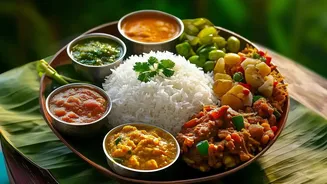
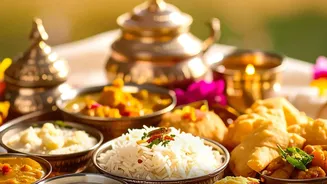
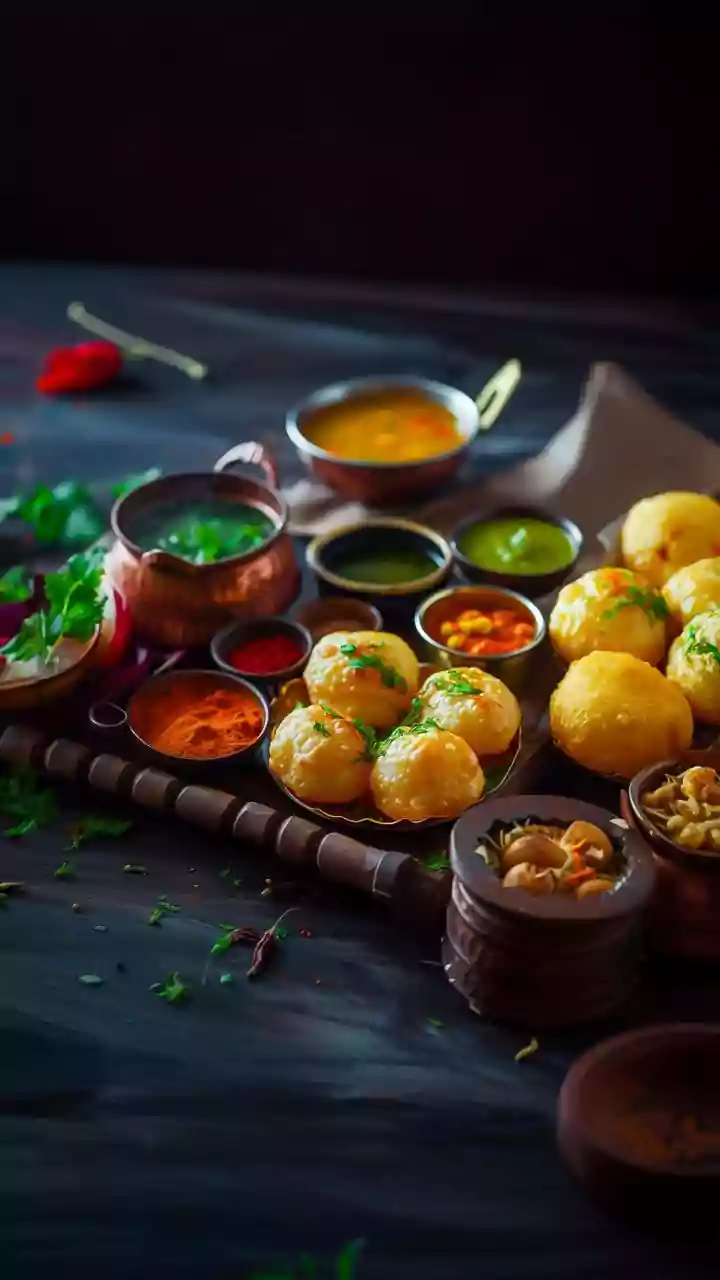
The dishes served at these pop-ups are a revelation, offering a glimpse into India's staggering culinary diversity. Diners are experiencing flavours that have rarely, if ever, been seen on restaurant menus. Events have showcased the robust flavours of Nagaland, including unique chutneys and authentic pork stews. Others have explored the rustic, slow-cooked mutton dishes of the Himalayas, like 'chha gosht', simmered in buttermilk. Food researcher Tanushree Bhowmik has curated pop-ups exploring the link between Anglo-Indian and Assamese food, while others have revived the intricate vegetarian 'shukto' from Bengal or the ceremonial foods of tribal communities. These are not just meals; they are edible stories, each dish carrying the history of a region, a community, or a family.
The Perfect Recipe for Success
Several factors have combined to make this the perfect moment for the regional popup boom. A new generation of Indian diners is more curious and adventurous than ever before, actively seeking authentic and unique experiences over standardized ones. Social media provides a powerful, low cost marketing tool, allowing home chefs to build a following and generate buzz around their limited time events. The pandemic also played a role; as people were confined to their homes, many rediscovered a passion for cooking and a deeper appreciation for home cooked meals, creating a receptive audience for these ventures. The exclusivity and storytelling aspect of popups creates a sense of 'FOMO' (fear of missing out), turning each event into a coveted ticket.
More Than Just a Meal
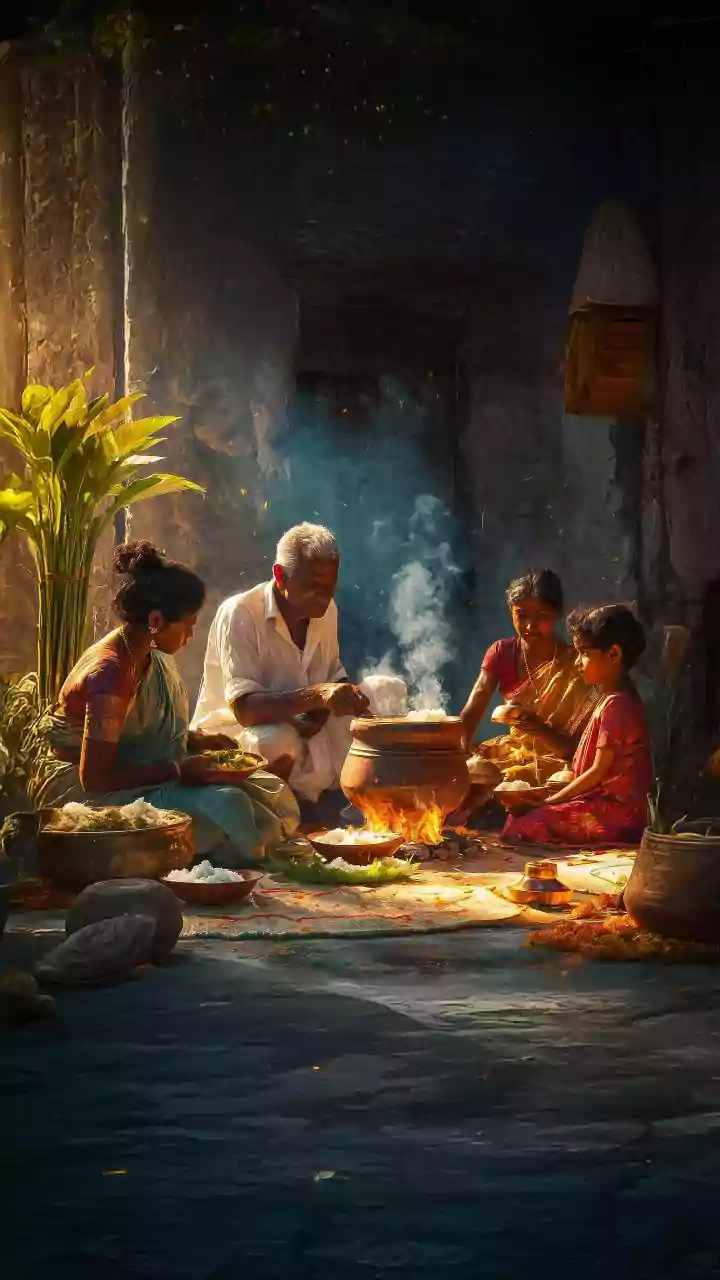
Attending a regional food popup is an immersive cultural experience that goes beyond the plate. In these intimate settings, which often host only a small number of guests, chefs share personal stories about the food's origins, the significance of certain ingredients, and the traditions behind each recipe. It’s a chance to understand why a particular dish is cooked during a festival or how a family recipe has been passed down through generations. This narrative element transforms the act of eating into an act of learning and connection. Diners leave not only with a satisfied palate but with a deeper appreciation for the rich and varied tapestry of Indian culture. It's a powerful form of culinary tourism that doesn't require travel.