



From Nuisance to Novelty: The Big Shift
For years, the monsoon was the official off-season for Indian tourism, a time of inconvenience marked by water-logging and cancelled plans. Today, that perception has been completely overturned. [13] An increasing number of travellers are redefining their
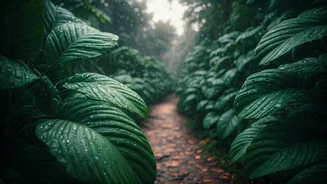
relationship with the rains, choosing to lean into the season rather than escape it. [15] This shift is driven by a desire for more authentic, less crowded, and highly personal travel. The goal is no longer just to see a place, but to *experience* it in its most dramatic and beautiful state. [18] Social media buzz around misty mountain getaways and lush green landscapes has also fuelled this trend, inspiring people to explore hidden gems in their own backyards. [8] As a result, what was once a lean period is now a booming season for domestic tourism, with travellers planning trips around specific interests like wellness, adventure, and culture. [13, 15]
The Rise of Monsoon Wellness Retreats
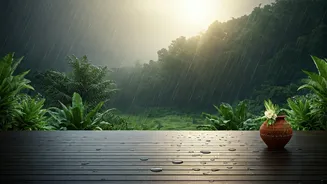
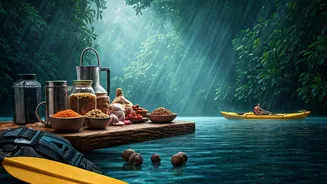
According to Ayurveda, the monsoon is the ideal season for rejuvenation and detoxification. [5, 9] The cool, moist air is believed to make the body more receptive to therapeutic treatments. [9, 12] This ancient wisdom has found a modern audience, with a surge in demand for wellness getaways. Destinations across Kerala, the Himalayas, and the Western Ghats are now offering specialised monsoon wellness packages. [3, 5] These retreats, like Ananda in the Himalayas and various centres in Kerala, combine Ayurvedic treatments such as Panchakarma with yoga, meditation, and mindful living, all set against a backdrop of rain-washed nature. [5, 12, 16] They offer a chance to unplug, reset, and reconnect with oneself in a serene, healing environment. [3, 5]
Adventure in the Rain-Soaked Ghats
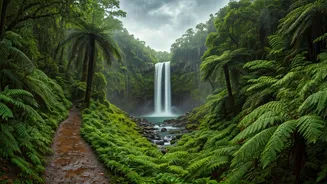
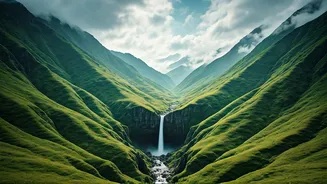
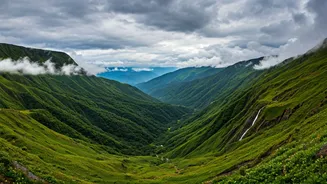
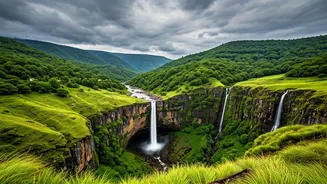
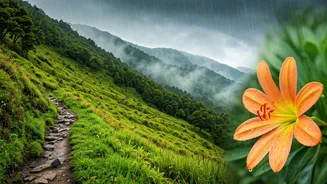
For thrill-seekers, the monsoon turns the Western Ghats and Himalayan foothills into a vibrant playground. The season brings waterfalls to their full, roaring glory and carpets trekking trails in lush greenery. [10, 19] Popular treks in places like Lonavala, Coorg, and the mountains of Uttarakhand come alive with adventurers. [2, 4] Even Goa, traditionally a winter destination, offers a different kind of appeal with its swollen Dudhsagar Falls becoming a major attraction. [18, 24] River rafting in Rishikesh also takes on a new level of excitement as the Ganges swells with rainwater. [2] This trend shows a growing willingness among Indian travellers to embrace the elements for a more exhilarating and memorable adventure. [13]
Cultural and Culinary Immersion
Beyond wellness and adventure, travellers are seeking deeper cultural connections. The monsoon offers a unique lens through which to experience local life, minus the peak-season crowds. [17] This could mean staying at a coffee plantation homestay in Coorg or Wayanad, learning about the harvesting process which is in full swing. [9, 24] It could be exploring the ancient temples of Orchha, where the rain-fed Betwa river reflects the magnificent architecture. [7] In places like Meghalaya, known for being one of the wettest on Earth, the monsoon itself is the main cultural attraction, with experiences built around its dramatic presence, like visiting the living root bridges. [2, 19] This quieter season often allows for more meaningful interactions and a chance to enjoy heritage sites in a more peaceful atmosphere. [17, 18]
Chasing Clouds and Offbeat Trails
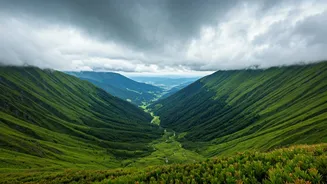
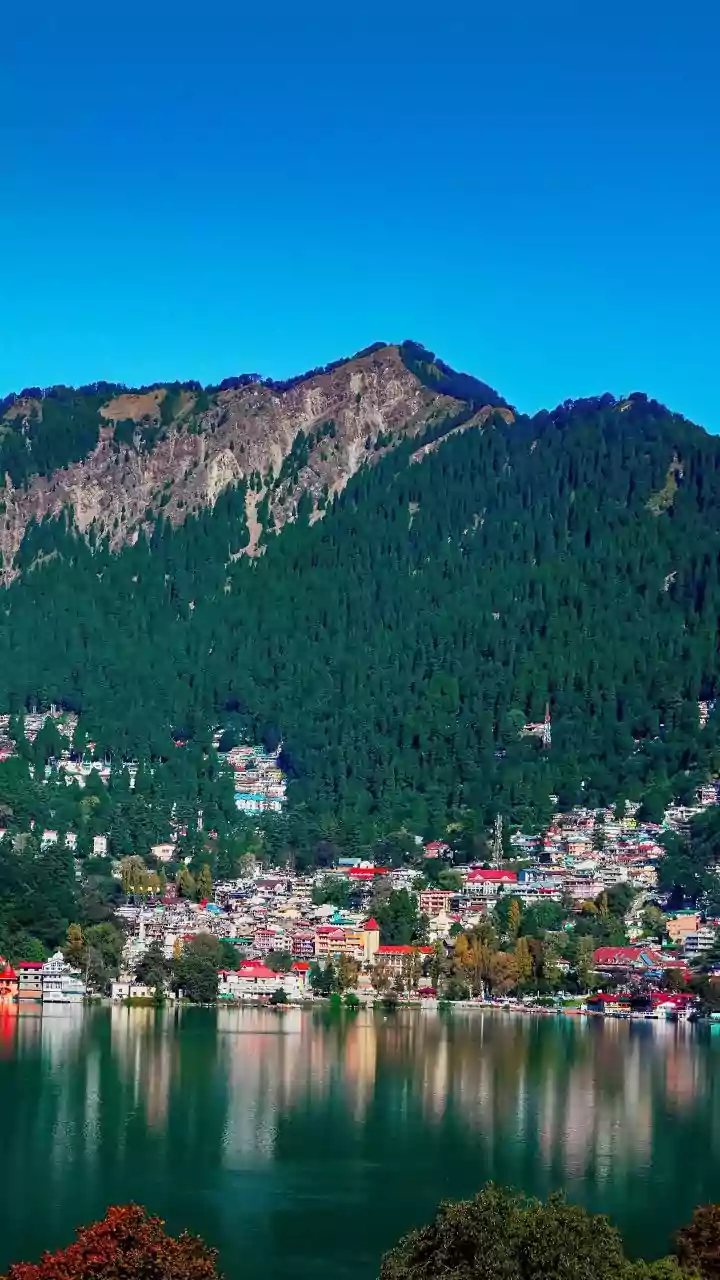
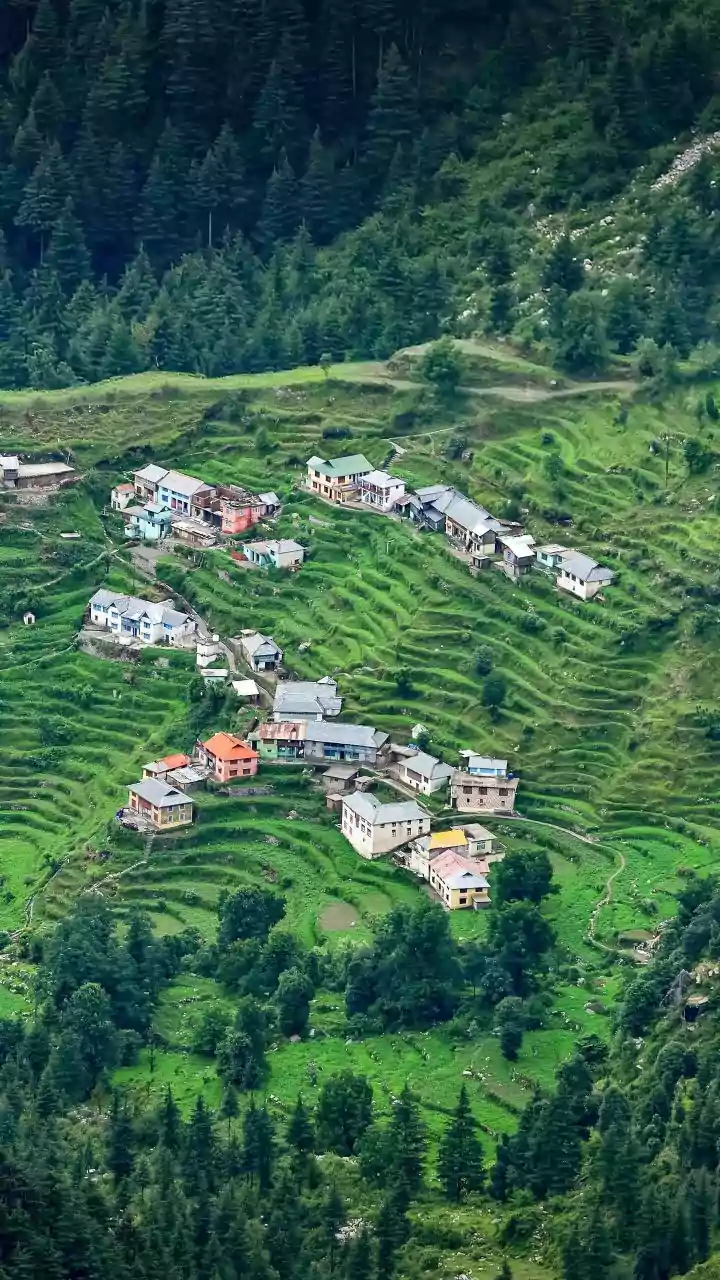
A key part of this experiential shift is the move towards offbeat destinations. While popular spots like Shimla and Munnar see a surge in bookings, travellers are increasingly venturing into lesser-known villages. [8, 4] Places like Ziro in Arunachal Pradesh, known for its stunning rice paddies under misty skies, or the 'whistling village' of Kongthong in Meghalaya, offer truly unique monsoon experiences. [11] The Valley of Flowers in Uttarakhand, a UNESCO site that only opens during the monsoon, is a prime example of a destination built entirely around a seasonal, natural spectacle. [10, 22] This desire to go beyond the conventional circuit highlights a travel culture that values discovery and personal stories over ticking off a checklist.