


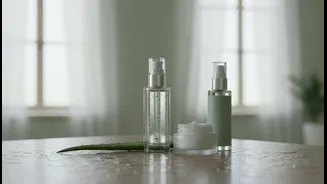




Lighten Up Your Skincare
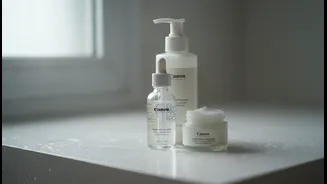
High humidity tricks your skin. It can feel sticky and oily on the surface, but it might be dehydrated underneath. The key is to switch to lighter, water-based products instead of skipping steps. Start with a gentle, foaming cleanser twice a day to remove
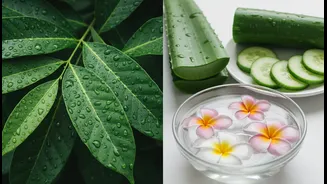
grime and excess oil without stripping your skin. Ingredients like salicylic acid, green tea, or neem are great for keeping pores clear and preventing monsoon breakouts. Follow up with a lightweight, non-comedogenic moisturiser. Look for gel-based formulas with hyaluronic acid, which provides hydration without feeling heavy or greasy. And even on cloudy days, don't forget your sunscreen. UV rays penetrate clouds, and a lightweight, gel-based SPF 30 or higher is non-negotiable to prevent pigmentation.
Tame and Protect Your Hair
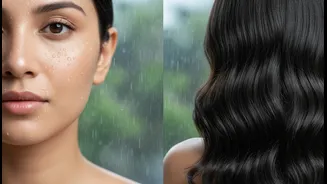
Humidity is the main culprit behind monsoon frizz. When the air is moist, your hair shaft absorbs that moisture, causing it to swell and appear frizzy. The solution is to keep your hair hydrated and create a barrier against the humidity. Start by limiting hair washing to two or three times a week with a mild, sulphate-free shampoo to avoid stripping natural oils. Always follow with a smoothing conditioner, focusing on the lengths and ends to seal the hair cuticle. A leave-in conditioner or an anti-frizz serum applied to damp hair is a game-changer; it locks in the right amount of moisture and blocks out excess humidity. For an extra layer of defence, consider swapping your regular cotton towel for a microfibre one or even an old cotton t-shirt to gently squeeze out water, which reduces friction and frizz.
Adopt a Sweat-Proof Makeup Strategy
The goal for monsoon makeup is longevity without the weight. Heavy foundations are likely to melt or feel cakey in the humidity. Instead, opt for lighter alternatives like a skin tint or a BB cream. Before applying any makeup, use a mattifying or silicone-based primer to create a smooth base and control shine. When it comes to concealer, apply it only where needed rather than all over. To make your look last, set your base with a light dusting of translucent loose powder, focusing on the T-zone and under-eyes. Finish with a setting spray to lock everything in place. For eyes and lips, waterproof formulas are your best friend. A waterproof mascara and a long-wear liquid or cream lipstick will withstand sweat and surprise showers.
Choose Breathable Fabrics
What you wear plays a huge role in how comfortable you feel. Tight, synthetic clothes trap heat and sweat, creating an ideal environment for skin irritation and fungal infections. During the monsoon, prioritise lightweight, breathable fabrics that allow air to circulate. Cotton is a classic choice for its softness and ability to absorb moisture. Linen is another excellent option, known for being incredibly airy and quick-drying. Rayon and lightweight cotton blends also work well, as they feel cool against the skin and don't cling when damp. Choosing loose-fitting silhouettes will further enhance airflow, helping sweat to evaporate and keeping you feeling fresh throughout the day.
Focus on Hygiene and Hydration
Excessive sweating can lead to body odour and a higher risk of fungal infections, especially in skin folds. Using an antibacterial soap or body wash can help keep bacteria in check. It’s also crucial to dry yourself thoroughly after a shower, and consider using an anti-fungal powder in areas prone to moisture. While it may seem counterintuitive when the air is so damp, staying hydrated by drinking plenty of water is essential. High humidity makes it harder for your body to cool itself through sweat evaporation, so drinking water helps regulate your internal temperature and flush out toxins. Reducing intake of spicy foods and caffeine can also help minimise sweating.