



The Kitchen Myth: Foil and Acidic Foods
The advice to wrap acidic leftovers directly in aluminum foil is a common kitchen practice, but it runs counter to food safety recommendations. For decades, foil has been a go-to for its convenience. It’s lightweight, easy to shape, and seems perfect
for covering just about anything. However, the chemical nature of certain foods, particularly those high in acid like tomatoes, citrus juices, and vinegar-based dressings, creates a problematic interaction with aluminum. This leads to a crucial question: is this convenient storage method actually good for you or your food?
The Science of Leaching
Aluminum is a reactive metal. Normally, when exposed to air, it forms a thin, protective layer of aluminum oxide that prevents it from reacting further. However, strong acids and salts can break down this protective layer. When you store something like pasta sauce or a lemon-herb marinade in direct contact with foil, the acids in the food can dissolve small amounts of the aluminum, which then migrate, or 'leach,' into your meal. This process is accelerated by heat, which is why cooking acidic foods in foil is even more of a concern. Studies have shown that this leaching is not just theoretical; it measurably increases the aluminum content in the food.
Health and Taste: The Real Risks
While our bodies can excrete small amounts of aluminum, and health bodies like the European Food Safety Authority have set tolerable weekly intake levels, a high intake may be harmful, particularly for individuals with kidney or bone diseases. The primary and most immediate risk, however, is to the quality of your food. The leached aluminum can impart a noticeable metallic taste to your leftovers. It can also cause discoloration, leaving gray spots on your food or even creating small pinholes in the foil itself where the acid has eaten it away.
The Verdict: Best Practices for Storage
Contrary to the headline's suggestion, the safest practice is to avoid direct contact between acidic foods and aluminum foil. This doesn't mean you have to banish foil from your kitchen entirely. It remains an excellent barrier against light, oxygen, and moisture, which helps prolong shelf life. If you need to use foil to cover a bowl of acidic leftovers, ensure it doesn't touch the food's surface. A better method is to create a barrier by first covering the food with parchment or wax paper and then sealing the container with foil. This gives you the airtight seal of foil without the risk of a chemical reaction.
Smarter, Safer Storage Alternatives
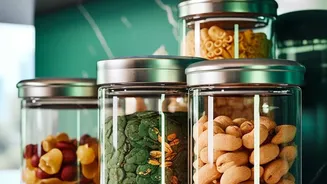
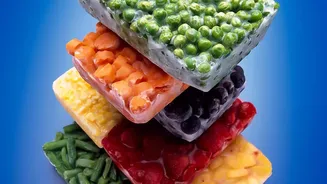
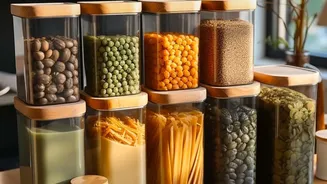
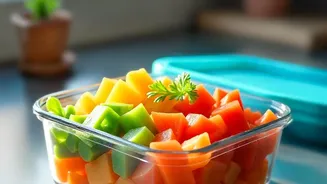
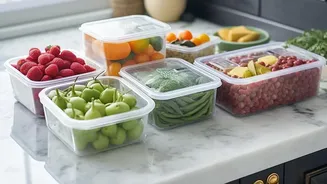
For long-term storage of acidic leftovers, superior options are available. Airtight glass, stainless steel, or ceramic containers are the gold standard. These materials are non-reactive, meaning they won't leach anything into your food, preserving its taste and quality. They are also reusable, easy to clean, and better for the environment. For freezing, zip-top freezer bags are a great option; you can lay them flat to save space and ensure faster, more even thawing. Silicone bags and reusable bowl covers are also excellent, non-reactive alternatives for various storage needs.