




Buy Less, Shop More Often
The golden rule for monsoon grocery shopping is to resist the urge to buy in bulk. While stocking up feels efficient, high humidity accelerates spoilage for a wide range of foods. Perishables like fruits and vegetables, and even semi-perishables like bread,
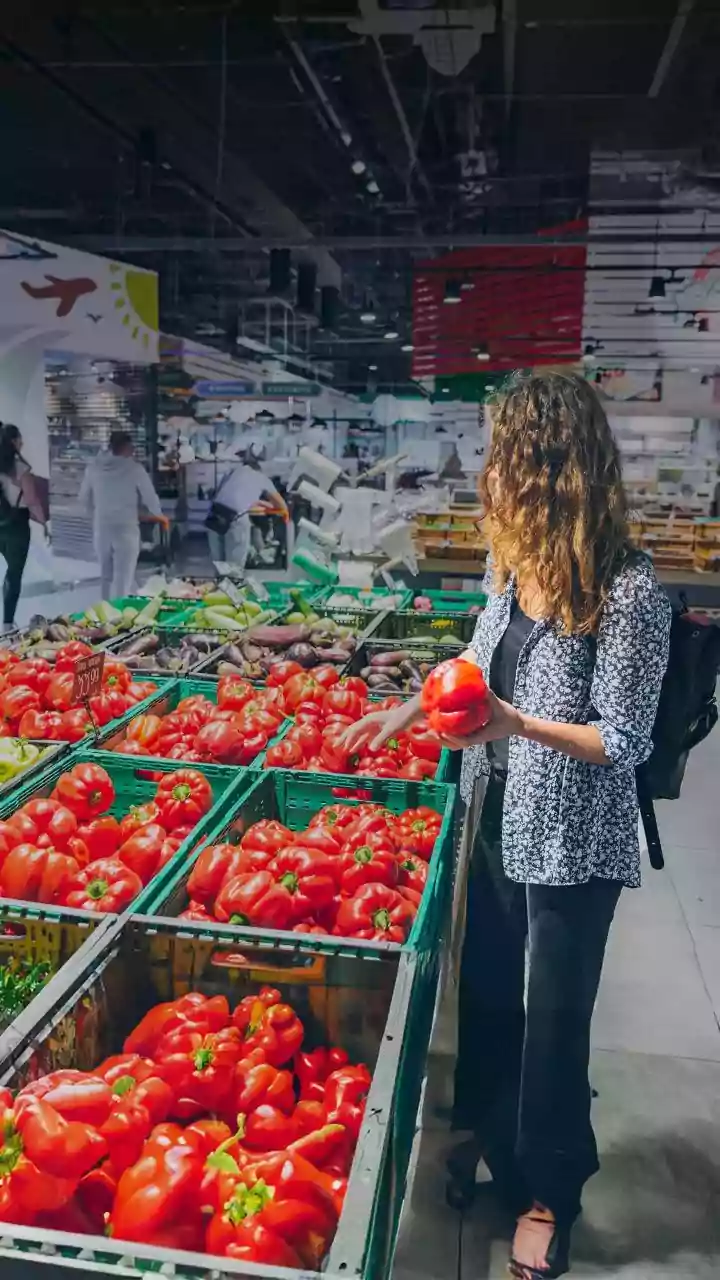
are particularly vulnerable. When moisture is constantly in the air, it creates the perfect breeding ground for mould and bacteria. A weekly or bi-weekly shopping trip for delicate items is a far better strategy than a large monthly haul. This ensures that what you have in your kitchen is fresh and reduces the chance of having to throw away food that has turned before you can use it. Planning your meals for a few days at a time can help you create a precise shopping list, preventing both over-buying and food waste.
Navigating the Vegetable Aisle
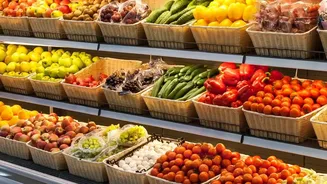
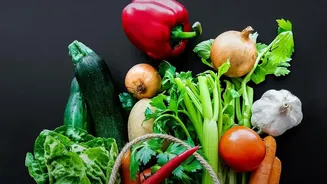
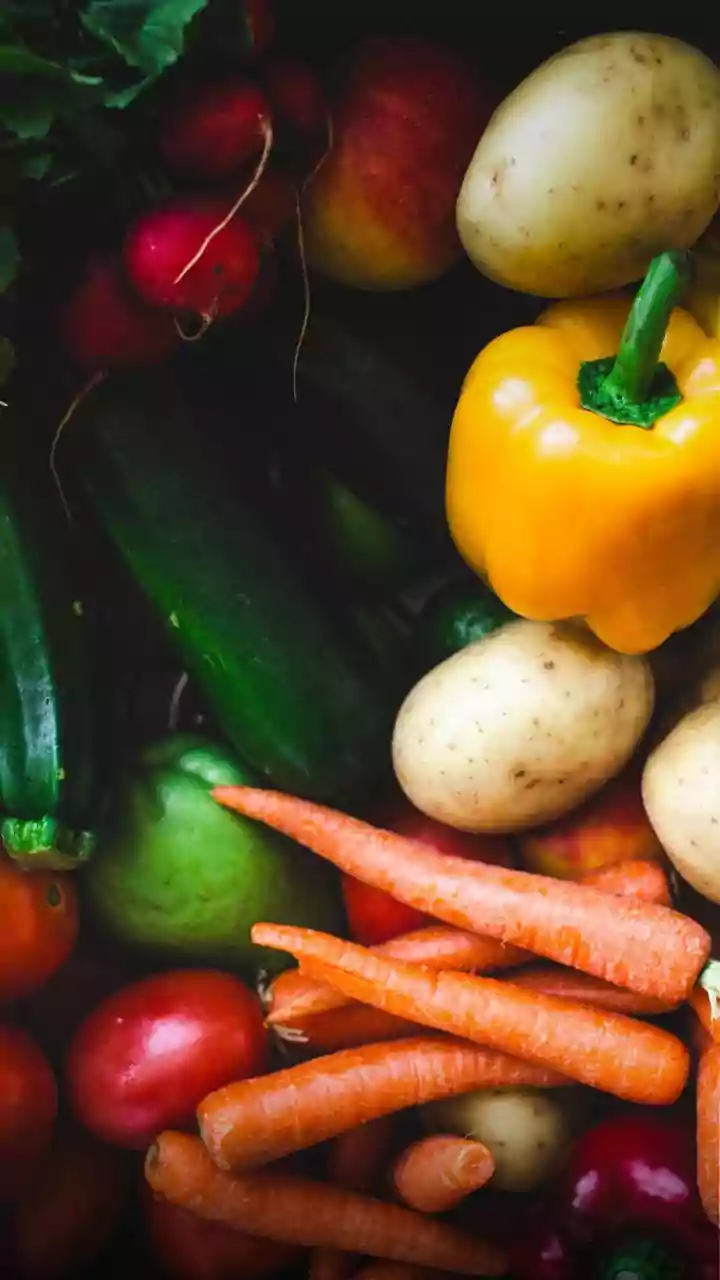
Leafy green vegetables are the first casualty of monsoon humidity. They wilt quickly and are prone to contamination. It's best to buy them in very small quantities and consume them within a day or two. Instead, focus on seasonal monsoon vegetables that are hardier and less susceptible to spoilage. Gourds like lauki (bottle gourd), karela (bitter gourd), and tinda (Indian squash) are excellent choices. Tubers such as potatoes and sweet potatoes also hold up well. When you bring vegetables home, avoid washing them until you are ready to cook. Trapped moisture is the enemy. For greens, wrapping them in a paper towel before placing them in a breathable bag in the fridge can help absorb excess moisture and extend their life.
Handle Fruits with Care
Like vegetables, many fruits have a shorter shelf life during the rains. Soft-skinned fruits are especially delicate. It's wise to buy just enough for a couple of days. Seasonal monsoon fruits like plums, jamun, and litchi are great options as they are at their peak freshness and nutritional value. Pears are another good choice, as they are nutrient-dense and hold up relatively well. When storing fruits, keep them in breathable bags to allow for ventilation and prevent moisture buildup. Storing fruits and vegetables in separate compartments in the refrigerator is also recommended, as some fruits release ethylene gas that can cause other produce to ripen and spoil faster.
Protect Your Pantry Staples
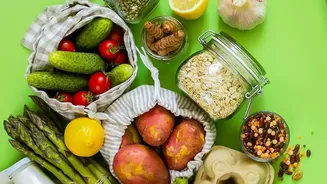
The dampness of monsoon can wreak havoc on your dry goods. Flours, grains, spices, and snacks are all hygroscopic, meaning they naturally absorb moisture from the air. This leads to clumpy spices, soggy biscuits, and an increased risk of mould and insect infestations in flours and pulses. The most critical step is to transfer everything from its original packaging into completely dry, airtight containers as soon as you get home. Glass or steel containers are often better than plastic as they don't absorb odours. For spices, consider buying whole spices and grinding them in small batches as needed to retain maximum flavour and freshness. Adding a few dried bay leaves or neem leaves to containers of rice and lentils is a traditional trick to help deter pests.
Airtight is Everything
The importance of airtight containers during the monsoon cannot be overstated. They are your primary defence against humidity for everything from atta and dal to namkeen and masalas. When refilling a container, ensure it is washed and completely dry before adding the new stock; trapped moisture from a damp jar can spoil the entire batch. It's also a good practice to use a 'first in, first out' system, using up older stock before opening new packets. For items like salt and sugar that are prone to hardening, always use a dry spoon. Lightly roasting items like sooji (semolina) and poha (flattened rice) before storing can also help remove residual moisture and extend their shelf life.