


A Festival of Island Identity
The annual Island Tourism Festival, locally known as Dweep Mahotsav, is a 10-day extravaganza designed to showcase the unique cultural fabric of the Andaman and Nicobar Islands. Held in Port Blair, the festival is a kaleidoscope of colourful parades,
traditional music, dance performances, and adventure sports. Its primary goal is to boost tourism and celebrate the cosmopolitan heritage of the islands. While there are many attractions, from intricate handicrafts to thrilling water sports, the consistent highlight that truly captures the spirit of the islands is the celebration of the coconut. A dedicated 'Island Coconut Carnival' is often a core component, transforming the versatile fruit into a symbol of local life.
The 'Tree of Life' in Andaman
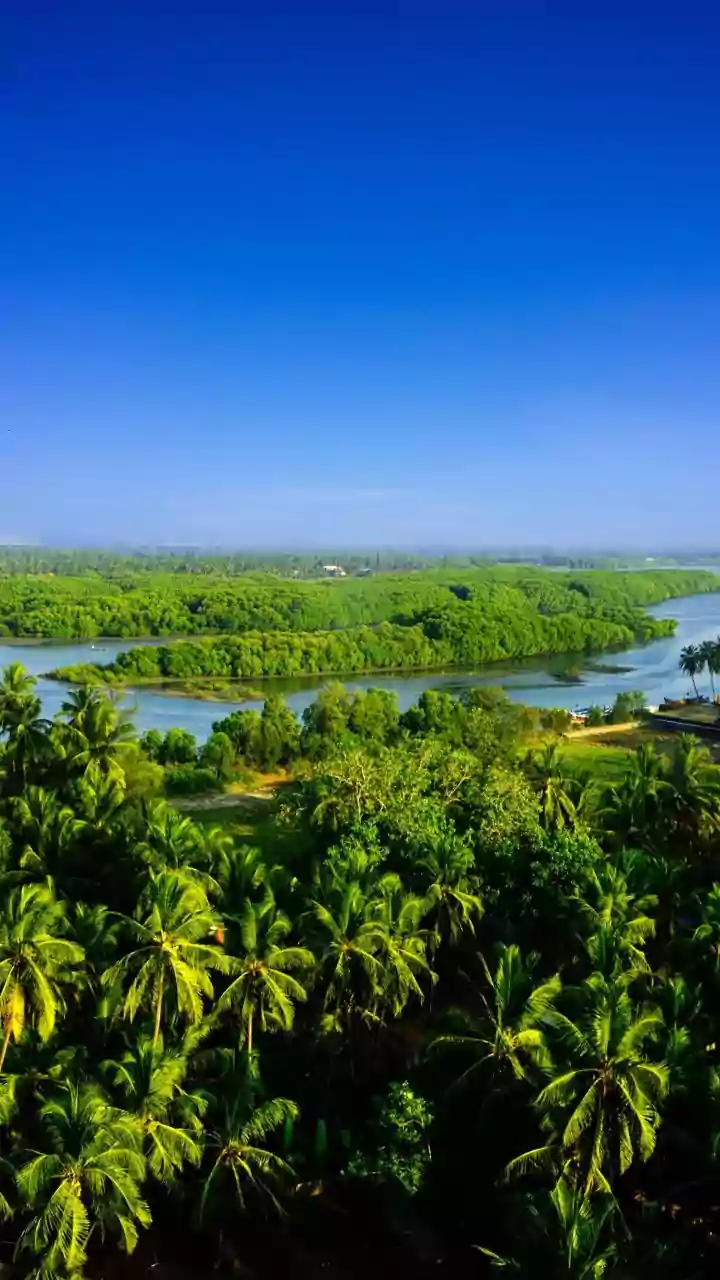
To understand the coconut's prominence, one must look beyond the festival grounds. For the people of Andaman and Nicobar, the coconut palm is not just a plant; it's revered as 'Kalpavriksha' or the 'tree of life'. It is a fundamental part of the socio-cultural and economic landscape. Coconuts are a subsistence crop that supports life in the fragile island ecosystem, having arrived on these shores centuries ago. This long history has embedded the coconut deep into the region's traditions, cuisine, and daily routines, making it an integral part of the local identity. The islands are home to a remarkable diversity of coconut varieties, some of which are unique to the archipelago.
From Tender Water to Intricate Art
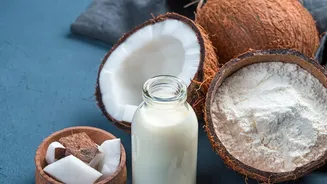
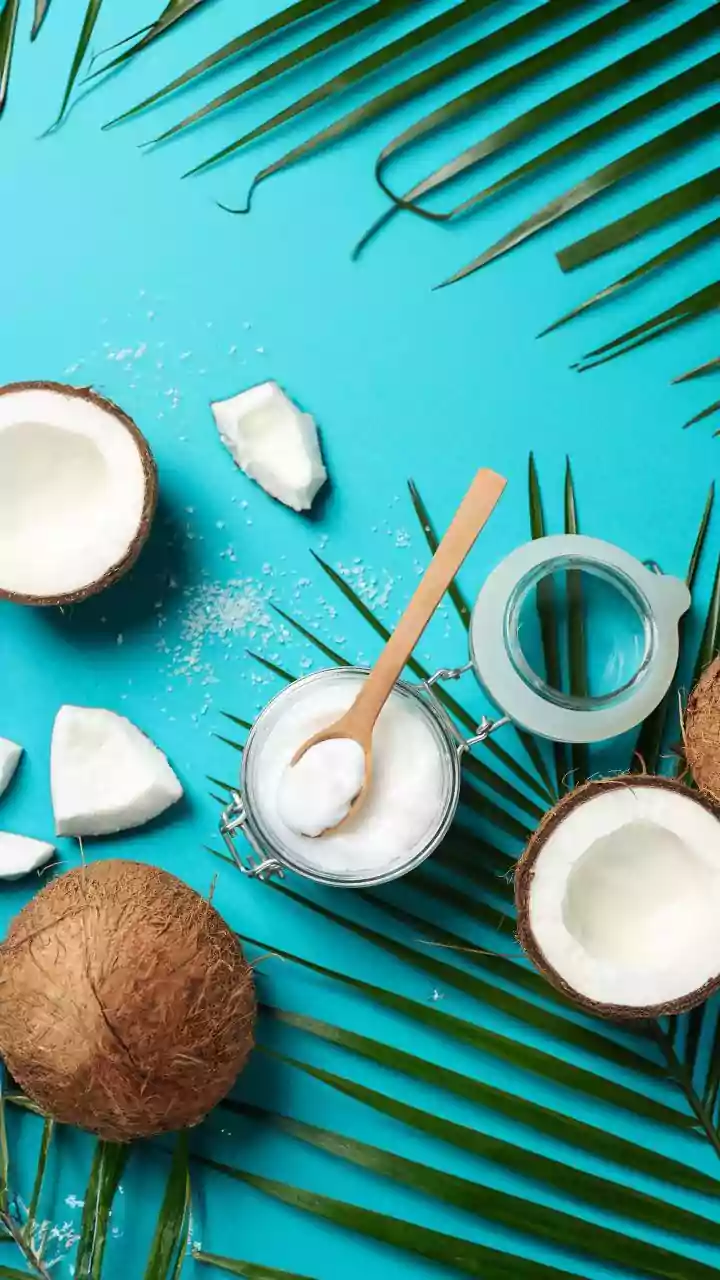
The carnival showcases the incredible versatility of the coconut in a feast for the senses. Food stalls overflow with coconut-based delicacies, ranging from savoury curries and fresh chutneys to sweets like coconut barfi, toffees, and cookies. But the celebration extends far beyond food. Local artisans display an astonishing array of handicrafts, demonstrating skills passed down through generations. Highly polished coconut shells are transformed into beautiful bowls, cups, jewellery, and decorative lamps. The fibre from the husk, known as coir, is used to make durable ropes, mats, and baskets. Even the stems are woven into items for the home. These products are not just souvenirs; they are tangible pieces of the islands' heritage.
Fuelling Livelihoods and Local Economy
The focus on coconut products serves a vital economic purpose. The carnival provides a significant platform for local artisans, self-help groups (especially women-led ones), and small entrepreneurs to showcase their products to a wide audience of tourists and locals. This directly supports their livelihoods and encourages the preservation of traditional skills. By creating a market for these goods, the festival helps generate income and enhances the rural economy, which is heavily reliant on agriculture and small-scale industries. The promotion of coconut-based products also aligns with a push towards sustainable and eco-friendly tourism, offering visitors an authentic way to contribute to the local community.
Competitions and Community Spirit
The carnival's atmosphere is further electrified by a series of lively, community-focused competitions. These events add a layer of fun and engagement, drawing enthusiastic participation from islanders. Popular contests include fast-paced coconut de-husking challenges for both men and women, where speed and skill are on full display. Creative cooking competitions invite participants to showcase their culinary genius with innovative sweet and savoury dishes where coconut is the hero ingredient. There are also competitions for the most creative art and handicrafts made from coconut materials, celebrating the artistic talents within the community and reinforcing the fruit's central role in the island's culture.