





The Old Travel Equation
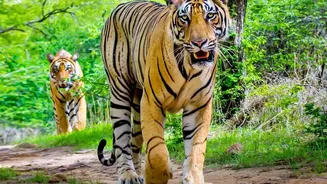
For years, reaching the premier tiger reserves of Madhya Pradesh and Maharashtra—like Kanha, Bandhavgarh, Pench, and Tadoba—involved a multi-step, expensive journey. The standard route for travelers from cities like Delhi, Mumbai, or Bengaluru was a flight
to the nearest airport, typically Nagpur or Jabalpur. From there, a private taxi was required for the final, often lengthy, leg of the journey, which could take anywhere from three to five hours. This combination of airfare and a high-priced cab ride often made the trip prohibitively expensive, with last-mile taxi costs alone sometimes running into several thousand rupees each way. This financial barrier placed these incredible natural wonders out of reach for many budget-conscious domestic tourists, reserving the experience for those with deeper pockets or international visitors on packaged tours.
A Welcome Shift in Connectivity
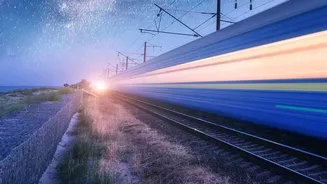
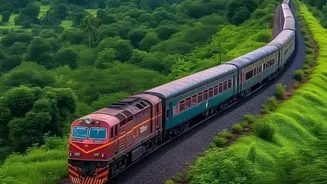
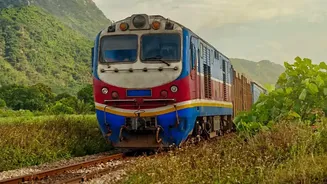
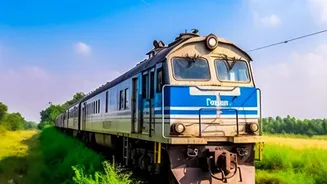
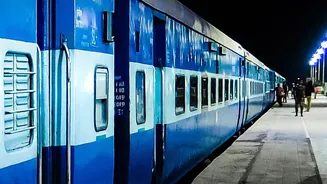
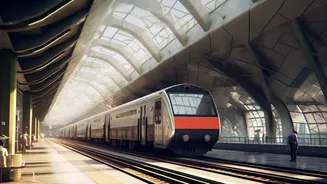
Indian Railways is increasingly playing a pivotal role in making wildlife tourism more accessible. While dedicated luxury tourist trains like the 'Tiger Express' have existed for years, the real revolution is happening in the mainstream sector. The introduction of new services, including special trains during peak seasons and the rollout of modern rolling stock like the Amrit Bharat Express, is bolstering connectivity to key hubs. These trains, originating from major metropolitan areas, offer overnight journeys to cities like Nagpur, Jabalpur, and Chandrapur, which serve as gateways to the sanctuaries. By providing comfortable and direct overnight options, railways allow travelers to save on a night's accommodation and wake up fresh, close to their destination.
Breaking Down the New Cost Savings
The primary benefit of these enhanced rail circuits is the dramatic reduction in travel costs. An AC 3-Tier or 2-Tier train ticket on an overnight express costs a fraction of a last-minute flight. Consider a traveler from Mumbai heading to Tadoba Andhari Tiger Reserve. Previously, they might pay for a flight to Nagpur and then a taxi costing ₹4,000-₹6,000 for the final 150-kilometer journey. Today, they can board an overnight train to Chandrapur, which is much closer to the park's main gates, drastically reducing the cost and time of the final road transfer. This shift from a flight-plus-long-taxi model to a train-plus-short-taxi model can save a family thousands of rupees, making the entire trip more viable.
Which Parks Are More Accessible?
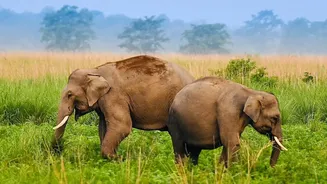
This improved rail access benefits a cluster of Central India's most sought-after national parks. Nagpur Junction remains the primary hub for Pench National Park (both the Maharashtra and Madhya Pradesh sides) and Tadoba Andhari Tiger Reserve. Jabalpur station is the ideal access point for Kanha National Park and Bandhavgarh National Park. Meanwhile, Chandrapur and Ballarshah stations offer even closer access to the core zones of Tadoba. With railways running special services and improving frequencies on these routes, travelers can now align their train journeys more closely with their safari bookings and hotel check-ins, creating a more seamless and less stressful travel experience.
Planning Your Rail-to-Jungle Trip
To make the most of these new options, planning is key. Booking train tickets well in advance is crucial, especially during peak safari season (October to March) and holiday weekends, as demand is high. Utilize the official IRCTC website or app for bookings. Once you arrive at your destination station—be it Nagpur, Jabalpur, or Chandrapur—local taxis and pre-booked private transfers are readily available for the final leg. Many lodges and resorts in the sanctuary areas can also arrange for a station pickup for their guests. By choosing rail, you not only save money but also reduce your carbon footprint, contributing to a more sustainable form of tourism that helps protect the very wilderness you've come to admire.