





Monsoon's Final Advance
The India Meteorological Department (IMD) has confirmed that conditions are favourable for the Southwest Monsoon to advance into the remaining parts of the country. Over the next two to three days, regions in Rajasthan, Haryana, and Punjab are expected
to receive monsoon showers, marking its complete coverage across India. This final push comes after an active spell drenched large parts of North India, with heavy rainfall alerts issued for states like Uttarakhand, Punjab, Haryana, and Maharashtra. While the rains bring respite from the summer heat, they also signal the beginning of a period where travel becomes significantly more hazardous.
The Perils of Monsoon Travel
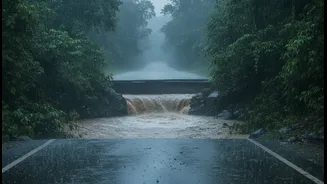
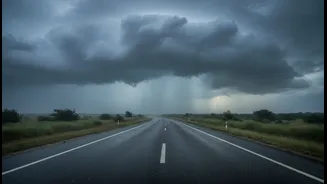
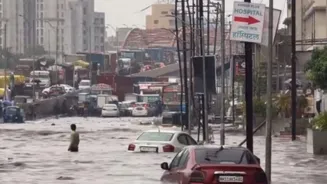
Travelling during the monsoon, whether for leisure or work, is fraught with risks that are often underestimated. Heavy downpours lead to reduced visibility, waterlogged roads, and a higher chance of vehicle breakdowns. In hilly areas, the danger is even more acute, with an increased risk of landslides and flash floods. Authorities in several states have already issued advisories and, in some cases, banned trekking and access to waterfalls to prevent accidents. These measures underscore the seriousness of the situation; a picturesque drive can quickly turn into a dangerous ordeal if proper precautions are not taken. For instance, authorities have had to rescue fishermen from capsized boats and warn of traffic chaos in major cities due to waterlogging.
Pre-Trip Vehicle Checklist
Before you even think about starting your journey, a thorough check of your vehicle is non-negotiable. The most critical components are your tyres, brakes, and wipers. Ensure your tyres have adequate tread depth (at least 2-3 mm) to provide a good grip on slippery roads. Worn-out tyres are a major cause of skidding. Similarly, check your brake pads to ensure they are functioning optimally, as braking distances are significantly longer on wet surfaces. Finally, inspect your wiper blades. If they leave streaks or don't clear water effectively, replace them. Good visibility is your first line of defence against monsoon hazards.
Safe Driving on Wet Roads
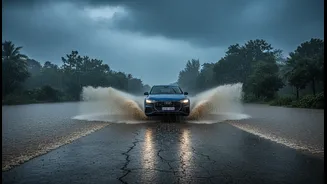
Once on the road, your driving style must adapt to the conditions. The most important rule is to slow down. Reduce your speed by at least a third of what you would normally drive and double the distance from the vehicle in front of you. This gives you more time to react and brake safely. Avoid sudden movements, whether it's abrupt braking, sharp turns, or quick acceleration. Always use your low-beam headlights, even during the day, to improve your visibility to other drivers. A particularly dangerous phenomenon is hydroplaning, where a layer of water builds between the tyres and the road, leading to a loss of control. Driving slowly is the best way to prevent this. Never attempt to drive through flooded streets, as the water can hide deep potholes or even sweep your vehicle away.
Special Caution for Hill Stations
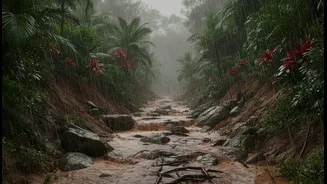
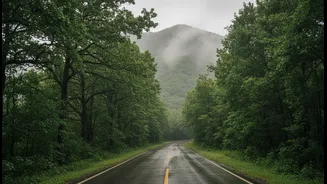
Hill stations, while beautiful in the monsoon, pose specific and severe risks. Landslides are a common and deadly occurrence. Authorities in states like Uttarakhand have issued orange alerts for several districts, warning of heavy rain and thunderstorms. If you are travelling to a hilly destination, check local advisories before and during your trip. Avoid travelling at night, and never stop your vehicle in areas marked as landslide-prone zones. Many popular trekking routes in Maharashtra, Karnataka, and Goa have been closed to the public for safety reasons. Always inform your family of your travel plans and carry a fully charged power bank, as remote areas may have limited network coverage.
Pack an Emergency Kit
Being prepared for the worst can make all the difference. Your monsoon travel kit should go beyond the usual. Pack essentials like a waterproof jacket, an umbrella, and quick-dry clothing. Most importantly, have an emergency kit in your car that includes a first-aid box, a torch, drinking water, and some non-perishable snacks. Ensure your phone is fully charged before you leave and carry a power bank. It's also wise to keep important documents and electronics in waterproof bags to protect them from the rain. These small preparations can provide crucial support if you get stranded due to a breakdown or a roadblock.