





A New Definition of Heat and Flavour
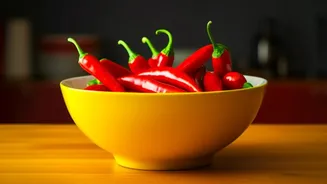
For years, the Bhut Jolokia, or ghost pepper, was known primarily for one thing: its world-record-breaking heat. It became a symbol of culinary dares and extreme spice challenges. However, chefs and food enthusiasts are now looking past the Scoville scale
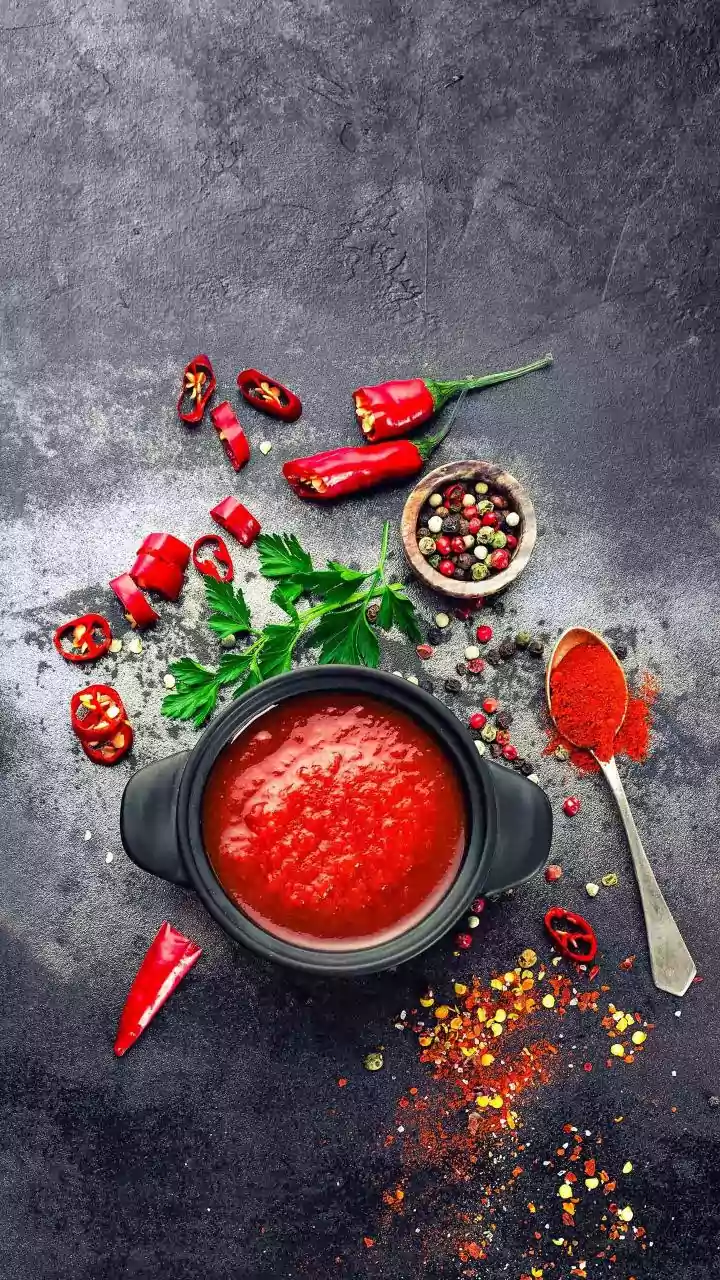
to appreciate its nuanced flavour profile. When used with a deft hand, Bhut Jolokia offers more than just a fiery kick; it has a subtly sweet and smoky taste that adds depth to dishes. This chilli, which received a Geographical Indication (GI) tag in 2008, is a staple in its native region, used in everything from chutneys to curries. In urban fusion kitchens, it’s being used to create unforgettable hot sauces, add a daring twist to marinades, and even infuse cocktails with a memorable warmth that balances other flavours instead of overpowering them.
The Umami Bomb: Northeast's Fermented Treasures
Alongside the ghost pepper, a host of fermented products from the Northeast are making their way onto modern menus, bringing with them a powerful punch of umami—the coveted fifth taste. The most famous of these is Axone (also called Akhuni), a fermented soybean product with a pungent aroma and a deeply savoury flavour. Traditionally used in Naga dishes with smoked pork or in chutneys, Axone is a 'secret sauce' that elevates simple recipes. But the world of fermentation in the region is vast and includes Anishi (fermented taro leaves), Tungrymbai (Khasi-style fermented soybeans), Gundruk (fermented mustard leaves), and Ngari (fermented fish). These ingredients are born from ancient preservation techniques and offer complex, earthy, and tangy notes that are entirely new to many urban palates.
From Traditional Kitchens to Urban Plates
The migration of these ingredients from humble home kitchens in states like Nagaland, Manipur, and Assam to trendy cafes in metropolitan cities marks a significant cultural and culinary shift. Chefs are moving beyond predictable pan-Asian and Italian influences to explore the rich, diverse pantry of their own country. This isn't just about adding spice or a novel ingredient; it's about storytelling. A dish featuring Axone or a sauce made with Bhut Jolokia carries with it a sense of place and heritage. For example, a modern cafe might feature a pulled pork slider with a Bhut Jolokia-infused barbecue sauce, or a hearty ramen bowl deepened with the umami kick of Axone. These fusions introduce diners to new flavour profiles in a familiar and accessible format, bridging the gap between traditional and contemporary Indian cuisine.
Why This Trend Matters
This movement is more than just a passing fad. It represents a growing appreciation for India's regional culinary diversity. For too long, Indian food in the mainstream has been represented by a handful of popular dishes. The championing of ingredients like Bhut Jolokia and Axone pushes back against that homogeneity. It encourages a more adventurous and curious diner, one who is eager to explore the pungent, the fiery, and the fermented. Furthermore, this trend provides a vital economic link to the farmers and producers in the Northeast, celebrating their indigenous knowledge and bringing their unique products to a wider market. By putting these ingredients in the spotlight, chefs are not just creating exciting new dishes; they are helping to preserve and promote a vital part of India's food heritage.