


Why Your Pet Is More Vulnerable
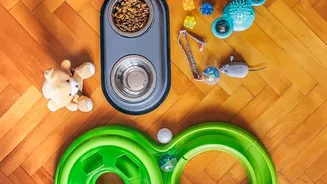
Unlike humans, pets are in constant contact with the floor. They walk on it, lie on it, and even eat dropped food off it. More importantly, they groom themselves by licking their paws and fur. This means any chemical residue left behind by a floor cleaner
can be easily ingested. Their smaller bodies and faster metabolisms can make them more susceptible to poisoning from chemicals that might not affect a larger human. Furthermore, with their powerful sense of smell, the fumes from harsh cleaners can be overwhelming and irritating to their respiratory systems. These factors combined mean we need to think about floor-level safety from a pet’s perspective.
Harmful Ingredients to Watch For
Many popular floor cleaners in India contain chemicals that are known to be toxic to pets. Chief among these are phenols (also known as carbolic acid), which are common in disinfectants like Phenyl and Lizol. Phenols are particularly dangerous for cats, as they lack the specific liver enzyme needed to metabolise them, leading to potential organ damage. Other ingredients to avoid include ammonia (ammonium hydroxide), which can burn the respiratory tract; bleach (sodium hypochlorite), which can cause vomiting and diarrhoea if ingested and damage their sense of smell through fumes; and phthalates, often hidden under the term 'fragrance', which can cause a range of health issues.
How to Read and Follow the Label
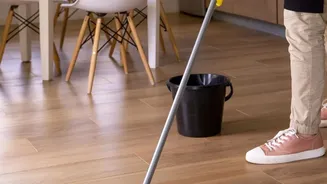
The headline's advice is the first line of defence. Always read the product label carefully before use. Look for instructions on dilution; using a more concentrated solution than recommended increases the risk. The label will also specify the contact time required for disinfection and, crucially, whether the surface needs to be rinsed with plain water afterward. Rinsing is a vital step to remove harmful residue. Most importantly, follow the safety warnings, which usually advise keeping pets and children away from the area until the floor is completely dry. This prevents them from walking on wet chemicals and then licking them off their paws.
Signs of Toxic Exposure in Pets
If you suspect your pet has been exposed to a toxic cleaning agent, it's crucial to recognise the symptoms. Signs of ingestion can include excessive drooling, pawing at the mouth, vomiting, diarrhoea, lethargy, or a refusal to eat. Inhaled fumes may cause coughing, sneezing, watery eyes, or difficulty breathing. Skin contact can result in redness, rashes, blisters, or chemical burns. If you notice any of these signs after cleaning, especially if they are severe or sudden, it is essential to contact your veterinarian immediately for guidance.
Choosing Safer Cleaning Alternatives
The good news is that keeping a clean home doesn't have to endanger your pet. There is a growing market in India for pet-safe floor cleaners that are formulated without phenols, ammonia, or bleach. Look for products that are plant-based, use natural enzymes, and are labelled as 'pet-safe' or 'non-toxic'. For a simple and cost-effective DIY solution, a mixture of equal parts white vinegar and warm water makes an effective cleaner for many floor types, though it should be avoided on natural stone like marble. No matter what you use, ensuring good ventilation by opening windows while you clean helps disperse any fumes and keeps the air healthier for everyone.