



Saturn: The Ringed Jewel of the Evening
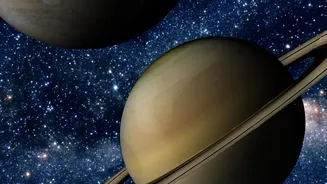
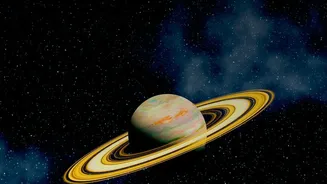
Saturn makes a grand appearance in our evening sky throughout October. To find it, look towards the southeastern sky shortly after sunset. The planet will be a steady, bright point of light, distinguished from twinkling stars. While it won’t be as dazzlingly
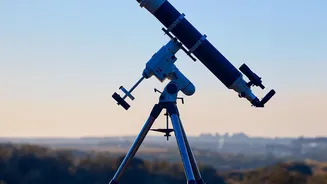
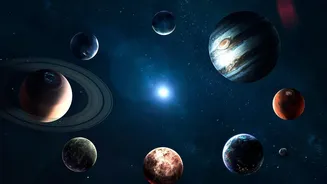
bright as Jupiter, its elegance is unmatched. If you have a pair of binoculars, you can stabilise them to get a clearer view, but its famous rings truly come to life with even a small telescope. October is an excellent month for viewing, as the planet is still relatively large and bright following its opposition in September. It’s a perfect target for a weekend stargazing session with the family, offering a breathtaking glimpse into the wonders of our solar system.
Jupiter: The King in the Morning
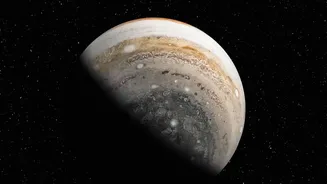
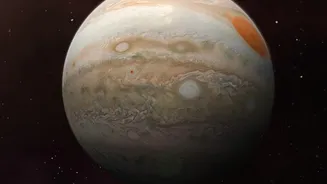
For the early risers, Jupiter will be an unmissable beacon in the pre-dawn sky. Look towards the east a few hours before sunrise to see the largest planet in our solar system shining brilliantly. It will be the brightest object in that part of the sky, making it incredibly easy to identify. Jupiter’s brightness is so intense that it often gets mistaken for an airplane. One of the greatest thrills of observing Jupiter is spotting its four largest moons—Io, Europa, Ganymede, and Callisto. On a clear morning, a good pair of binoculars might be enough to reveal them as tiny dots of light flanking the planet. As the month progresses, Jupiter will rise a little earlier each day, giving you a longer window to enjoy its majestic presence before the sun washes it from view.
Draconid Meteor Shower: An Evening Treat
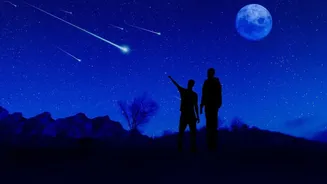
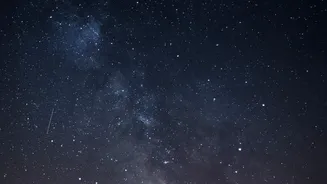
Mark your calendars for the evening of October 8, which marks the peak of the Draconid meteor shower. Unusually, the best time to watch for these meteors is not in the dead of night, but in the early evening, just as darkness falls. The shower’s radiant point—the area from which the meteors appear to originate—is in the constellation Draco the Dragon, located in the northern sky. The Draconids are known for being unpredictable; some years they produce just a handful of slow-moving meteors per hour, while other years have seen spectacular outbursts. This year, a waxing gibbous moon will be present, and its light could wash out some of the fainter meteors. However, it’s still worth stepping outside after sunset to try your luck.
Orionid Meteor Shower: Halley’s Cosmic Dust
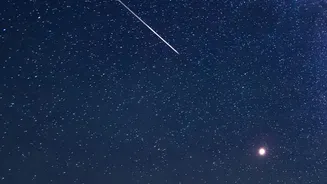
The famous Orionid meteor shower, created by debris left behind by Halley’s Comet, is set to peak on the night of October 21 and into the early morning of October 22. The best viewing window is after midnight, with activity expected to be highest in the hours just before dawn. As the name suggests, the radiant point for this shower is in the constellation Orion the Hunter, one of the most recognisable patterns in the night sky. The Orionids are known for being swift and can produce exceptionally bright meteors, sometimes called fireballs, that leave persistent trails. Although the light from a waning moon might interfere slightly in the pre-dawn hours, the potential for bright meteors makes this a must-see event for any sky-watcher.
Your Guide to a Perfect Stargazing Night
To make the most of these celestial events, a little preparation goes a long way. The most important step is to get away from city lights. Find a dark spot with an unobstructed view of the sky, like a park, a rural area, or even a rooftop in a quieter neighbourhood. Give your eyes about 20-30 minutes to fully adapt to the darkness; this will help you spot fainter objects. While you don’t need any special equipment for meteor showers, a comfortable chair or blanket will make the experience much more enjoyable. For planet-spotting, stargazing apps on your phone can help you pinpoint their exact locations. Finally, October nights can get chilly, so be sure to dress in warm layers.