




The Great Festive Overload
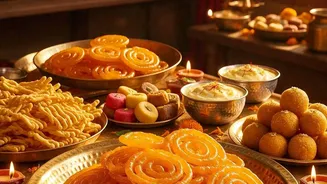
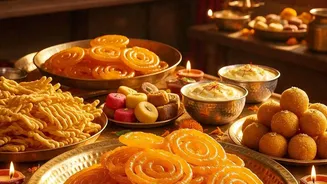
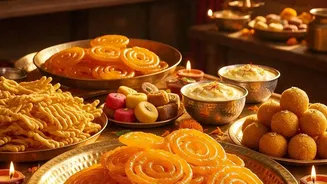
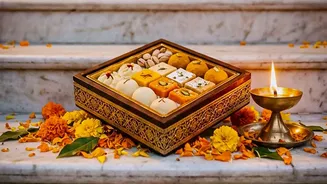
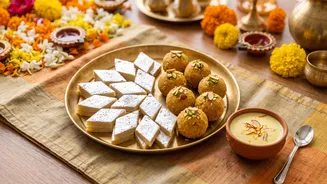
From Diwali sweets to Christmas dinners, festive calendars are packed with culinary indulgence. These meals are often richer, fattier, and sweeter than our everyday fare. While indulging is part of the celebration, that feeling of being uncomfortably
full is a sign that our digestive system is overwhelmed. When we eat a large meal, the muscles of our stomach must stretch significantly to accommodate the volume. This physical stretching is one of the primary reasons for that initial feeling of discomfort and bloating. The problem is compounded by the types of food we eat; heavy, sugary, and fatty foods are known to slow down digestion, leading to that sluggish feeling and potential issues like reflux and bowel irregularity.
Your Digestive System Under Pressure
To understand why overeating feels so uncomfortable, it helps to know what’s happening inside. Your digestive system uses a variety of enzymes to break down food into absorbable nutrients. Different enzymes break down different components: amylase for carbs, protease for proteins, and lipase for fats. When you consume a very large or rich meal, your body may struggle to produce enough of these enzymes quickly. This inefficiency means food sits in your stomach and intestines for longer, leading to fermentation, which produces excess gas, bloating, and flatulence. Furthermore, a full stomach can increase pressure on the lower esophageal sphincter (LES), the valve that keeps stomach acid where it belongs. When it relaxes or is forced open, acid can flow back into the oesophagus, causing the burning sensation known as heartburn or acid reflux.
Why Smaller Is Smarter
This is where portion control becomes a tool for comfort, not restriction. Eating smaller, more manageable portions allows your digestive system to work optimally. Your body can more efficiently release the necessary enzymes to break down the food, ensuring better nutrient absorption and less undigested food left to cause trouble. This also helps maintain more stable blood sugar levels. Large, carb-heavy meals cause a rapid spike in blood glucose, followed by a significant insulin release and the subsequent 'crash' that leaves you feeling tired. Smaller portions lead to a more gradual rise and fall in blood sugar, preventing energy slumps and cravings. Essentially, by reducing the load, you allow your body's natural processes to function smoothly.
Savour the Flavour, Not the Volume
Portion control isn't about deprivation; it's about mindfulness. The goal of a festive meal is to enjoy the flavours and the company. By eating slowly and savouring each bite, you give your brain time to register fullness. It takes about 20 minutes for satiety signals to reach your brain, and if you eat too quickly, you can easily bypass these cues and overeat. Focusing on the taste and texture of your food can make a smaller amount feel more satisfying than a large plate eaten in a hurry. Try using smaller plates, which can psychologically trick your brain into feeling satisfied with less food. It’s a simple change that can make a huge difference without feeling like you're missing out.
Practical Tips for Festive Plates
Navigating a festive spread can be tricky, but a few strategies can help you enjoy yourself without the digestive aftermath. Start by filling a portion of your plate with fibre-rich salads or roasted vegetables, as fibre aids digestion. Stay hydrated with water throughout the day, which can also help prevent overeating. When it's time for the main meal, be mindful of trigger foods that you know cause you issues, such as very fatty, spicy, or acidic dishes. And rather than waiting all day for one huge feast, try to have a small, balanced meal earlier. This prevents you from arriving at the party overly hungry, which often leads to rapid overeating.