



Breakfast’s New Power Players
Walk down any supermarket aisle, and you'll see the evidence. Cereals now boast of being 'protein-packed,' and pancake mixes come fortified with whey. It’s a global trend that has firmly taken root in India. Consumers are increasingly seeking more protein,
with many actively checking labels for protein content. This demand extends far beyond the gym. Traditional Indian breakfast foods, while delicious, are often carb-heavy and can be low in protein, providing just 4-8 grams per serving. In response, the market is flooded with high-protein versions of everyday favourites. We're seeing protein-fortified oats, ready-to-mix dosas and chillas with added protein, and even nut butters with an extra protein boost. Indian staples are also being reimagined, with items like paneer bhurji, moong dal chilla, and soya-based dishes gaining popularity as powerful breakfast choices.
Why the Sudden Protein Obsession?
This shift is driven by a deeper understanding of nutrition. Consumers are more aware of protein's role in health, associating it with everything from physical wellness to improved immunity. One of the biggest drivers is the quest for satiety—the feeling of being full and satisfied. A protein-rich breakfast helps regulate appetite and can reduce cravings for unhealthy snacks later in the day. Studies show that a high-protein start can help stabilise blood sugar levels for hours, preventing the energy crashes often associated with carb-heavy meals. For many urban professionals, a breakfast that keeps them full and focused until lunch is no longer a luxury but a necessity. The rise of wellness culture and the influence of social media have also played a significant role, normalising the idea of optimising every meal for maximum nutritional benefit.
The Science of a Strong Start
The benefits of a protein-forward breakfast are well-documented. Protein is essential for building and maintaining muscle mass, which in turn supports a healthy metabolism. When you eat protein in the morning after an overnight fast, you provide your body with the necessary building blocks for muscle repair and growth. Furthermore, protein has a higher thermic effect of food compared to carbohydrates and fats, meaning your body burns more calories digesting it. Some studies have even linked higher-protein breakfasts to greater weight loss and fat loss compared to lower-protein morning meals. For individuals managing blood sugar, a morning meal rich in protein can be particularly beneficial, helping to prevent sharp spikes and subsequent crashes.
Not All Protein Is Created Equal
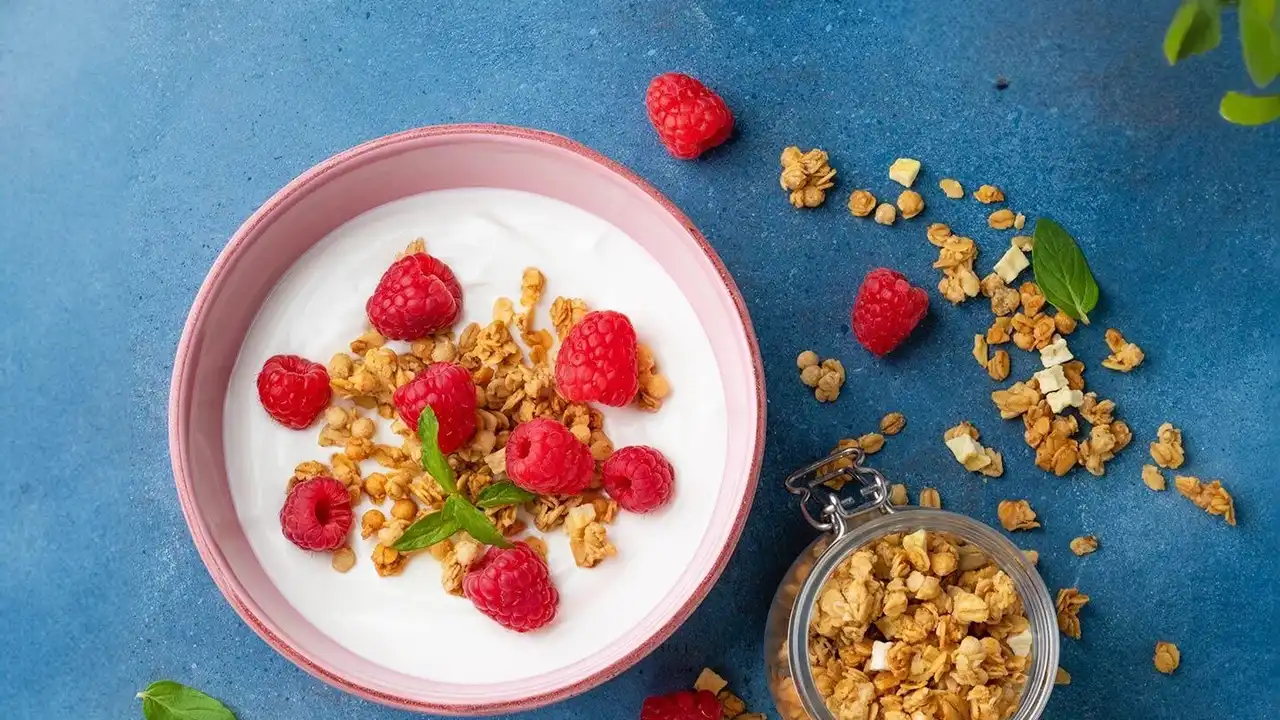
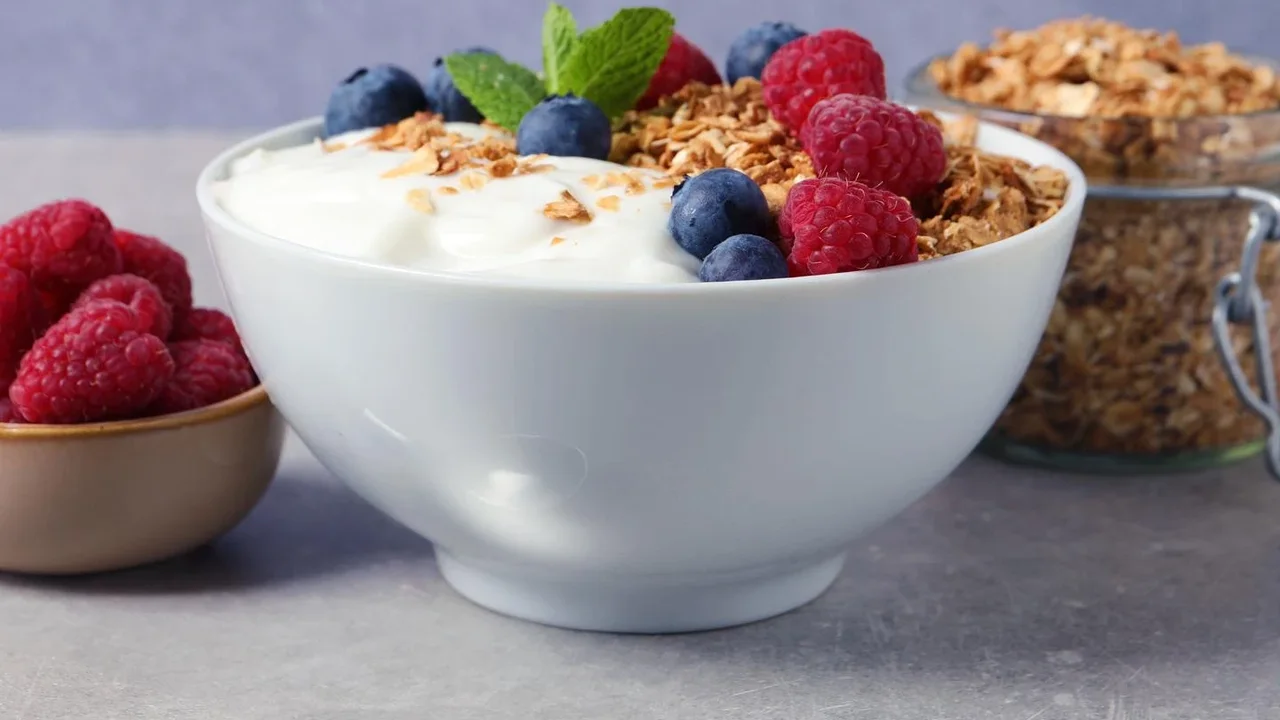
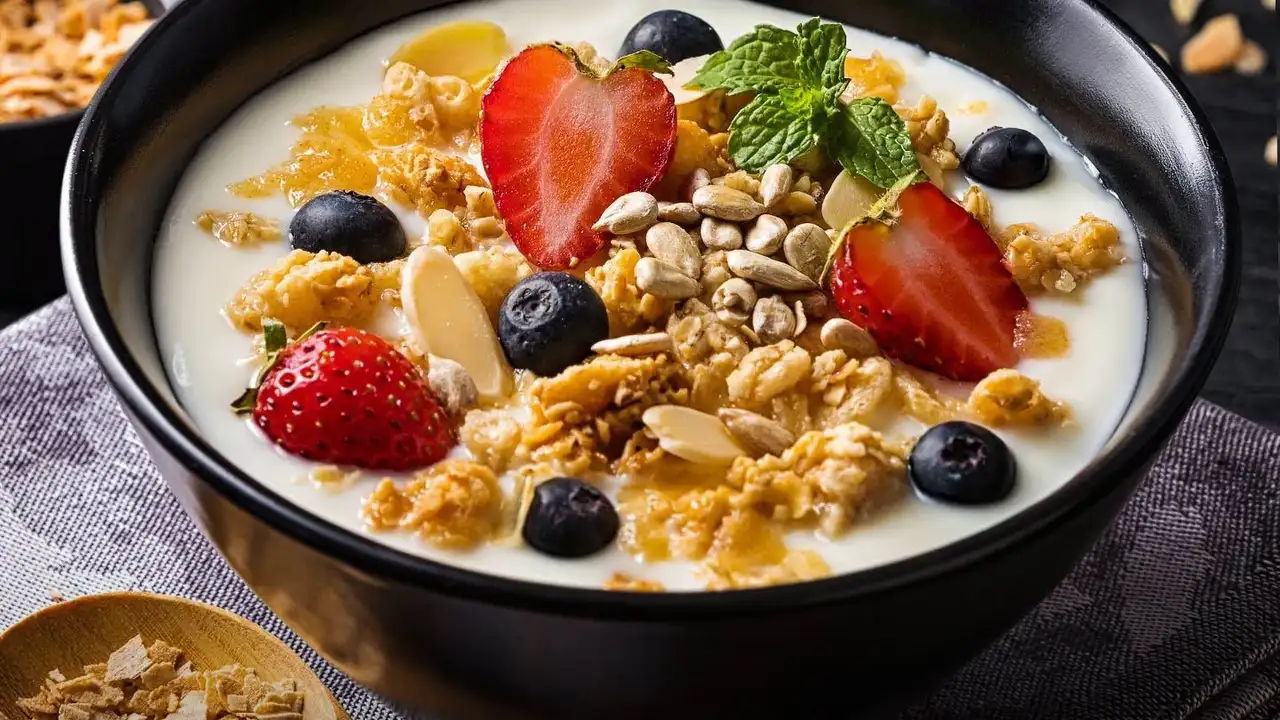
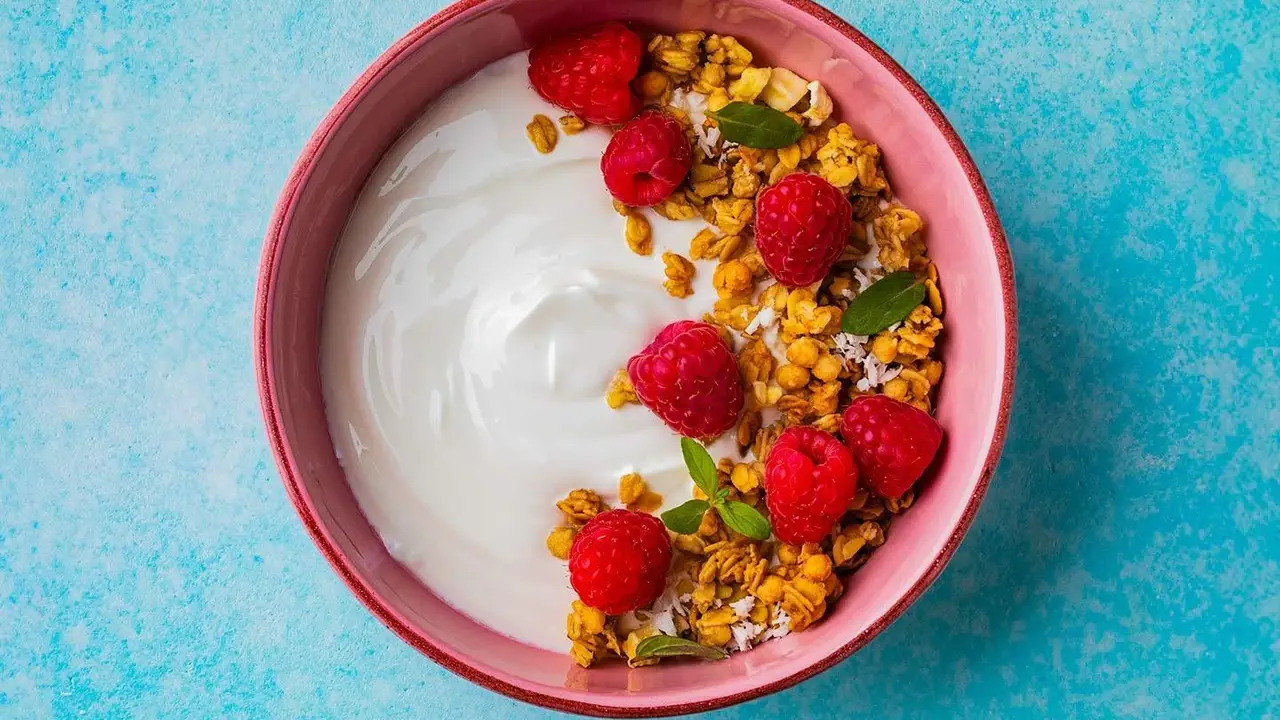
While the trend is promising, it's crucial to be a discerning consumer. The term 'high-protein' on a package doesn't automatically mean 'healthy'. Many processed foods with added protein can also be high in sugar, sodium, or unhealthy fats. Nutrition experts advise prioritising whole-food sources of protein. Think eggs, Greek yoghurt, paneer, tofu, nuts, seeds, and legumes like moong dal and chickpeas. These foods provide high-quality protein along with other essential nutrients, fibre, and healthy fats. For instance, a simple two-egg bhurji offers around 12-14 grams of complete protein, while 100 grams of paneer can provide up to 20 grams. When considering packaged options like protein cereals or bars, it's important to read the entire nutrition label, not just the protein claim on the front.
Making It Work for You
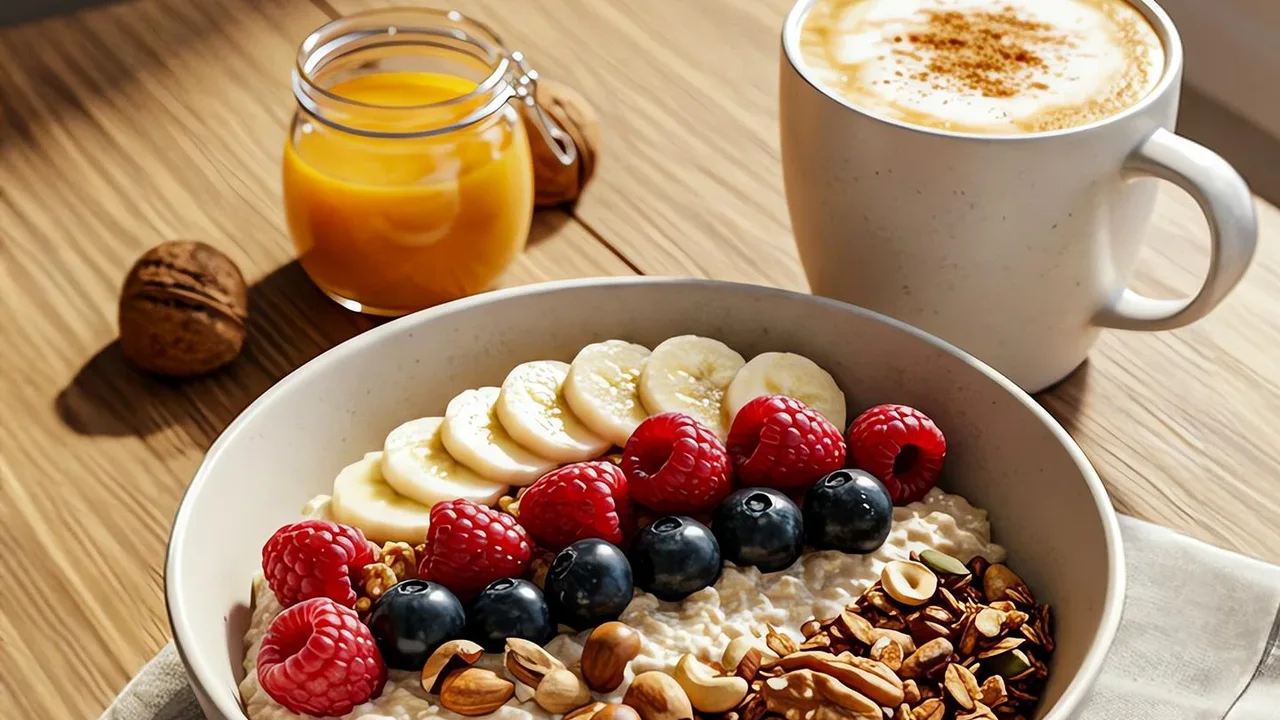
Incorporating more protein into your breakfast doesn't require a complete overhaul. Simple swaps can make a big difference. If you love poha, try adding a generous helping of peanuts or roasted chana. Swap a plain paratha for one stuffed with sattu or paneer. A bowl of dalia or oats can be instantly upgraded with a scoop of nut butter and a handful of seeds. For vegetarians, options like besan or moong dal chilla are excellent choices, providing a substantial protein boost from natural ingredients. Meal prepping can also be a lifesaver. Boil a batch of eggs, pre-soak sprouts, or make a container of paneer bhurji over the weekend for quick, protein-packed breakfasts all week long.