





A New Mandate for Mantralaya
The Maharashtra government has officially decided to give its canteen and meeting menus a healthy makeover. In early September 2026, the state cabinet, chaired by Chief Minister Devendra Fadnavis, approved a new policy to promote nutritious eating habits
among government and semi-government employees. A Government Resolution (GR) issued by the Public Health Department mandates that healthier food and beverage options be made available in all government canteens, official meetings, training programmes, and conferences. The directive calls for a gradual reduction of oily, ultra-processed foods and items with excessive sugar and salt. To ensure compliance, new catering contracts for government offices must now include provisions for these healthy menus.
What's Out and What's In?
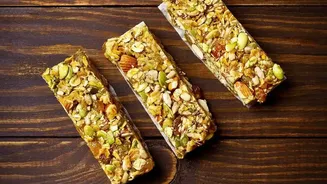
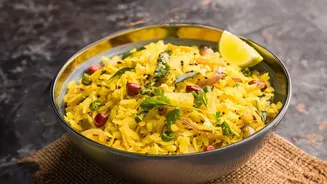
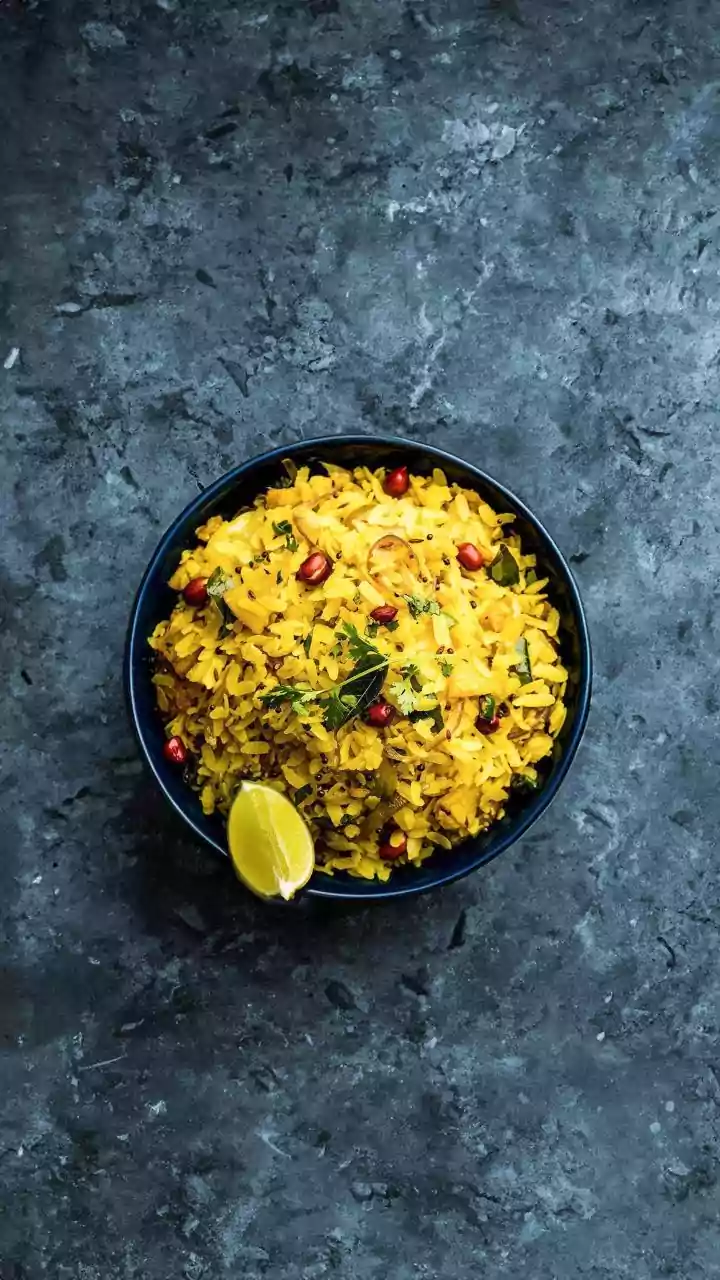
The policy will see a significant reduction in popular but oily snacks like batata vada, pakodas, cutlets, and biscuits. In their place, a variety of nutritious alternatives will be prioritised. For short meetings and refreshments, the new recommended menu includes seasonal fruits, boiled eggs, sprouted pulses, roasted chickpeas, and nuts. Traditional and lighter breakfast items like vegetable poha, idli-sambar, and upma are also on the list. A major focus is on millets, with bhakris made from ragi, jowar, and bajra, as well as millet-based khichdi and thalipeeth, being encouraged. Beverages are also getting a refresh, with recommendations for buttermilk, solkadhi, coconut water, and sugar-free green or herbal tea over sugary drinks.
The Driving Force Behind the Change
This initiative is driven by a growing concern over lifestyle-related health issues. The Public Health Department has pointed to the rising incidence of non-communicable diseases such as diabetes, hypertension, heart disease, and obesity as a serious public health concern. Officials noted that changing lifestyles, sedentary work patterns, and diets high in processed foods are major contributing factors. By introducing healthier options, the government aims to make a nutritious diet a regular part of employees' daily lives, hoping to improve their health and productivity. Nipun Vinayak, principal secretary of the public health department, stated the goal is to "nudge the government machinery to adopt a nutritious, wholesome diet, thereby kick-starting a similar cultural shift in society".
A Broader Push for Better Nutrition
This policy is not happening in isolation. It aligns with broader national health initiatives and guidelines from bodies like the Indian Council of Medical Research-National Institute of Nutrition (ICMR-NIN) and the Food Safety and Standards Authority of India (FSSAI). The move also mirrors a similar crackdown on junk food in schools across Maharashtra, where canteens have been instructed to replace fried snacks with healthier alternatives like idli and poha. By implementing this policy within its own offices, the state government is setting a precedent and leading by example. The promotion of millets also supports local agriculture and aligns with the national push to popularise these nutritious grains.
Will a Cultural Shift Follow?
While the policy is a clear step towards promoting workplace wellness, its success will depend on implementation and acceptance. Some parts of the initiative have already been trialled at the Mantralaya canteen, where the introduction of fruits, boiled pulses, and green tea has reportedly helped reduce the proportion of oily snacks. To ensure a smooth transition, the government has been advised to discuss the new health-focused approach with employees. The policy doesn't completely ban traditional snacks but aims to reduce their proportion, encouraging a balanced approach. The real test will be whether employees embrace options like ragi bhakri and sprouted salads with the same enthusiasm as a hot-off-the-fryer vada pav, potentially sparking a wider, positive change in food habits.