







The Peak Season Problem
We've all seen the photos: a sea of people packed into a historic square, selfie sticks battling for airspace, and long lines snaking around every popular attraction. This is the reality of peak-season travel. The pressure to travel during the 'best'
months—dictated by school holidays and the promise of perfect weather—has led to what experts call 'overtourism'. This phenomenon doesn't just diminish the travel experience for visitors; it strains local infrastructure, displaces residents, and can harm the very landmarks people flock to see. Instead of a relaxing getaway, you might find yourself navigating logistical nightmares and paying inflated prices for everything from flights to hotels, leaving you wondering if the trip was worth the stress.
The Magic of the Shoulder Season
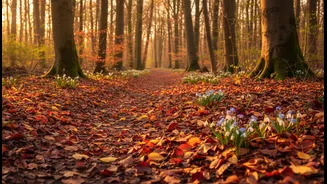
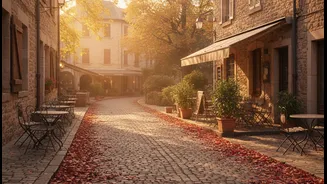
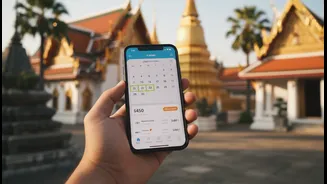
Enter the 'shoulder season'—the magical period just before or after the peak tourist rush. Think of Europe in April and October, or Southeast Asia during its lush 'green season'. This is the travel sweet spot. The primary benefit is obvious: fewer people. Imagine wandering through ancient ruins without a crowd, getting a table at that famous restaurant without a reservation, and taking photos that aren't filled with strangers. Beyond the blissful lack of crowds, travelling during the shoulder season almost always means significant cost savings. Airlines, hotels, and tour operators often offer lower prices to attract visitors during these quieter times, which can reduce the overall cost of a trip by 20-40%. This allows your budget to stretch further, perhaps for an upgraded room or a special dining experience.
The Weather Gamble and How to Win
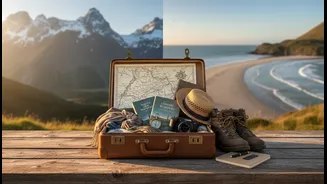
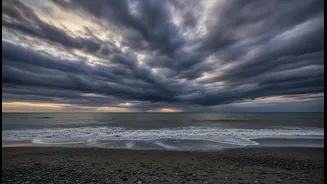
Of course, there’s a reason these seasons are less popular, and it usually comes down to the weather. The forecast might be less certain, with a higher chance of rain or cooler temperatures. But this doesn't have to be a dealbreaker. Instead of viewing unpredictable weather as a risk, consider it part of the adventure. A rainy afternoon in a Parisian café can be just as memorable as a sunny day at the Eiffel Tower. The key is preparation. Packing in layers is essential—think thin base layers, versatile mid-layers like sweaters, and a waterproof, windproof outer jacket. This allows you to adapt to changing conditions throughout the day. Also, having a few indoor activities, like museums or cooking classes, as a backup plan ensures a little rain won't derail your entire trip.
A More Authentic Experience
The benefits of off-peak travel extend far beyond smaller crowds and lower prices. When a destination isn't overwhelmed by tourists, the entire atmosphere changes. It often feels more relaxed and authentic. Locals have more time to chat, chefs may have more freedom to highlight seasonal ingredients, and you get a better sense of the place's true character. You're not just a face in a massive crowd; you're a visitor who can connect more genuinely with the culture. This slower, more personal pace allows for spontaneous discovery—lingering in a market, wandering down a quiet side street, or simply enjoying the view without feeling rushed. This shift can transform a trip from a simple checklist of sights into a collection of meaningful experiences.