





The Global Tinderbox
Recent weeks have seen international crude oil prices climb to six-week highs, with Brent crude futures hovering around $97 per barrel. This surge is not random; it's a direct consequence of escalating geopolitical tensions in the Middle East. Ongoing
conflict involving the U.S. and Iran, particularly around the Strait of Hormuz, has traders on edge. This narrow waterway is a critical chokepoint for global energy, and any disruption, or even the threat of one, sends a ripple of anxiety through the market, adding a risk premium to every barrel of oil. Compounding the issue, the OPEC+ alliance has been cautious about increasing output, further tightening supply at a time of heightened uncertainty. This combination of military action and supply-side restraint has created a perfect storm for higher prices.
India’s Deep-Rooted Import Addiction
India's economy runs on imported energy. The country's dependence on foreign crude oil has steadily climbed to a record of nearly 89%, with domestic production covering only a fraction of its needs. This isn't a new problem, but it has become more acute as India's energy appetite has grown alongside its economy, while domestic output has fallen. This overwhelming reliance means India is a 'price taker'—it has little to no control over the cost of its most critical commodity and must buy it in U.S. dollars, whatever the prevailing global rate. While India has diversified its import sources, with countries like Iraq, Saudi Arabia, and Russia being major suppliers, the fundamental vulnerability remains. Every upward tick in global prices translates directly into a higher import bill for the nation.
The Ripple Effect on the Rupee and the Deficit
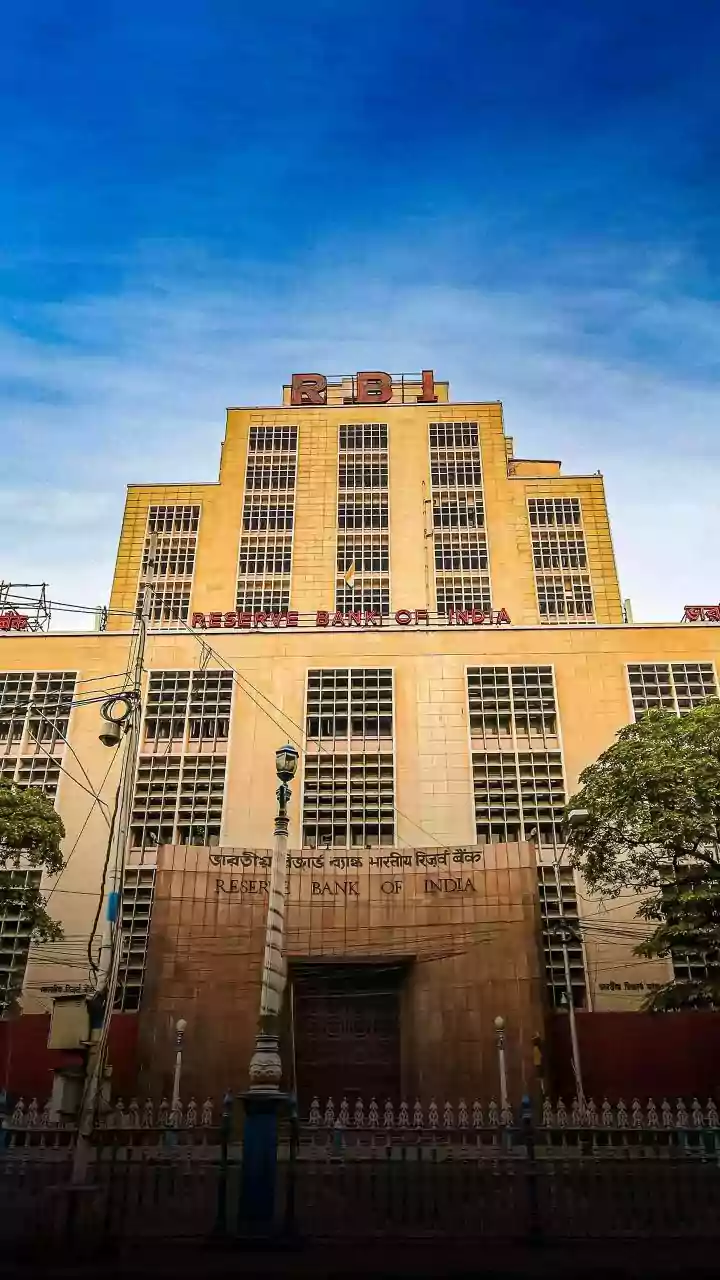
A rising oil import bill puts immense pressure on India's finances. The most immediate impact is on the Current Account Deficit (CAD), which is the difference between the value of goods and services a country imports versus what it exports. Paying more for the same amount of oil widens this deficit significantly. Estimates suggest that every $10 increase in the price of crude oil can widen India's CAD by a substantial margin. To pay for these expensive imports, the country needs more U.S. dollars, which increases demand for the dollar and, in turn, weakens the Indian Rupee. A falling rupee makes not just oil, but all other imports—from electronics to machinery—more expensive, creating a vicious cycle of rising costs.
From the Forecourt to Your Kitchen
For the average citizen, the most visible impact is at the petrol and diesel pump. However, the effects run much deeper. Higher fuel costs increase transportation expenses for everything from vegetables to consumer goods, pushing up their final prices and stoking inflation. This is known as cost-push inflation, and it hits household budgets hard. Furthermore, industries that are heavy energy consumers, like manufacturing, chemicals, and paints, see their production costs rise. These companies may be forced to absorb the costs, squeezing their profits, or pass them on to consumers, further fueling inflation. The government also faces a difficult balancing act: it can either let fuel prices rise or cut excise duties to provide relief, which would mean less revenue for public spending.
Is the Safety Net Big Enough?
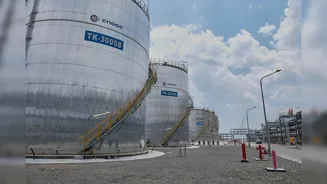
To guard against exactly these kinds of shocks, India maintains Strategic Petroleum Reserves (SPRs)—underground caverns storing crude oil for emergencies. However, India's current SPR capacity stands at 5.33 million metric tonnes, which, when full, can cover about 9.5 days of the country's requirements. This is significantly lower than the 90-day import cover recommended by the International Energy Agency for its members. As of early 2026, reports indicated that these reserves were only about 64% full, providing an even smaller buffer of around five to six days. While commercial stocks held by oil companies add to this cushion, the dedicated strategic reserve remains thin for an economy of India's size and import dependency, leaving it exposed during a prolonged supply disruption.