





What Is an Exchange Rate, Really?
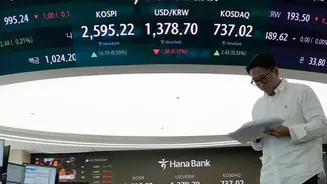
Think of an exchange rate as the price of another country's money. When you travel, you're essentially 'buying' the local currency—be it US dollars, euros, or Thai baht—using your Indian rupees. This price isn't fixed; it fluctuates daily based on complex
economic factors like a country's economic health, interest rates, and the global demand for its currency. Even a small change in this rate can significantly alter your spending power. A weaker rupee means your travel budget shrinks, making everything from hotel stays to meals abroad more expensive.
How Fluctuations Impact Your Budget
Let's put it in perspective. If the rupee weakens against the dollar, a trip that was budgeted for ₹2,50,000 could suddenly cost ₹2,80,000 or more, without you changing a single plan. This is because almost every expense on your trip—flights, hotels, shopping, and even a simple cup of coffee—is priced in a foreign currency. A weakening rupee means you need to spend more of your own money to buy the same amount of foreign currency. This impact is more pronounced for travel to the US or Europe, while destinations with more stable currencies relative to the rupee, like parts of Southeast Asia, might be less affected.
Plan Ahead: When and Where to Exchange
Timing is everything. One of the costliest mistakes travellers make is waiting until the last minute to exchange currency, especially at airport counters. Airport kiosks are convenient but notoriously expensive, offering poor rates and high fees because they cater to last-minute needs. The smarter strategy is to plan ahead. Start monitoring exchange rates a few weeks before your trip. Exchange the bulk of your required cash through an authorised forex provider or your bank in India before you leave. This allows you to lock in a better rate and avoid the stress of finding a reliable money changer abroad.
Forex Cards: A Traveller's Best Friend
While carrying some local cash is essential for small expenses like taxis or street food, relying entirely on it can be risky. This is where a prepaid forex card comes in. These cards allow you to load a specific amount of foreign currency at a locked-in rate before you travel. They are widely accepted, secure with chip-and-PIN protection, and can be easily blocked if lost. Using a forex card helps you avoid the 2-3.5% foreign transaction markup fees that most Indian credit and debit cards charge on every international swipe. It’s a convenient and cost-effective way to manage your spending.
Common Mistakes to Sidestep
Beyond exchanging money at the airport, there are other common pitfalls. A major one is 'Dynamic Currency Conversion'. If a shop or restaurant abroad offers to charge you in Indian Rupees, politely decline and always choose to pay in the local currency. The conversion rate offered is almost always unfavourable. Another mistake is relying on a single payment method. A mix of a forex card, some local cash, and a credit card for emergencies is the ideal setup. Also, avoid withdrawing small amounts of cash frequently from foreign ATMs, as each transaction can incur multiple fees.