



The Rise of a Super Grain
It’s impossible to ignore the millet revolution sweeping Indian kitchens. From ragi dosas to jowar rotis, these grains are being celebrated as a return to our culinary roots and a step towards better health. And the praise is well-earned. Millets are nutritional
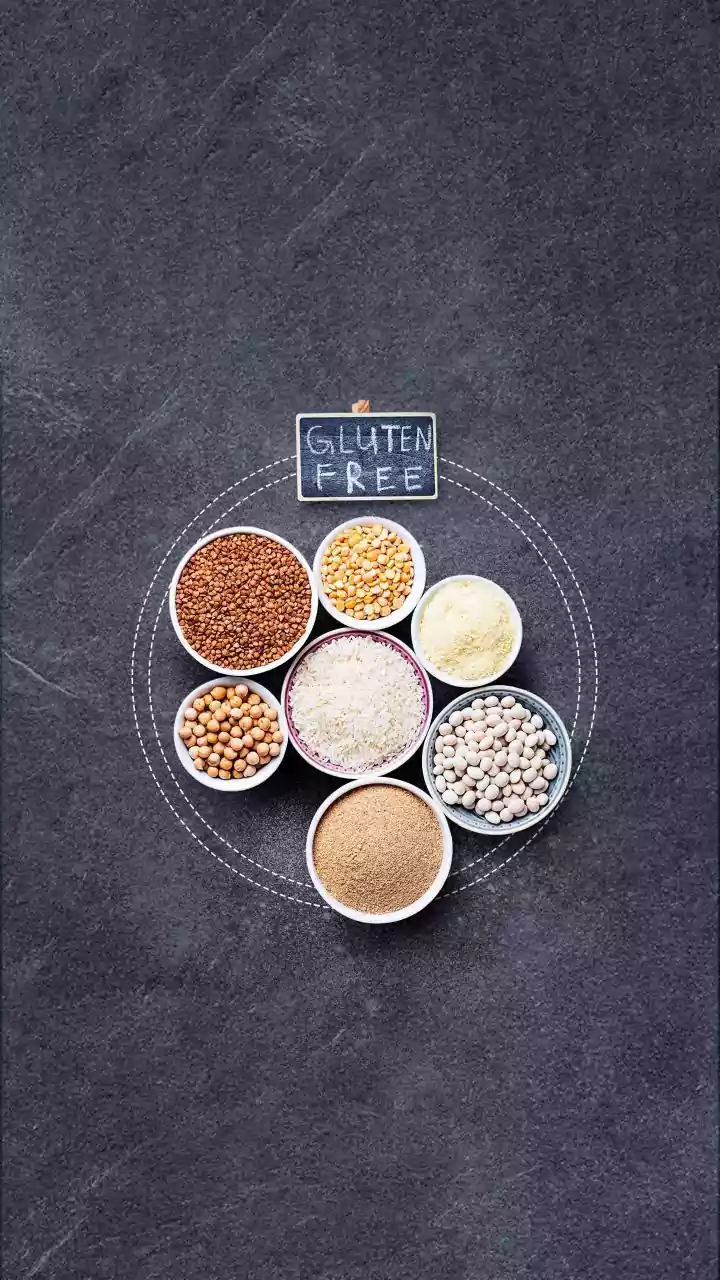
powerhouses, often packed with fibre, protein, vitamins, and minerals. They are typically gluten-free and have a low glycemic index, which helps in managing blood sugar levels, making them a smart choice over polished white rice or refined wheat. This resurgence is a positive shift, moving us away from processed foods and back towards whole, traditional grains that have sustained generations.
The Single-Source Trap
The problem isn't the millet itself, but the 'single-superfood' mindset that often accompanies a new trend. Focusing exclusively on one type of food, even a healthy one like a specific millet, can lead to nutritional gaps. This is because no single food contains all the essential nutrients our bodies need to function optimally. A diet that relies heavily on just one grain might be missing out on the unique benefits offered by others. This concept, known as dietary monotony, can limit the range of vitamins, minerals, and crucial phytonutrients you consume, which can inadvertently compromise your long-term health. True health isn't found in a single magic ingredient but in the synergy of many.
Meet the Diverse Millet Family
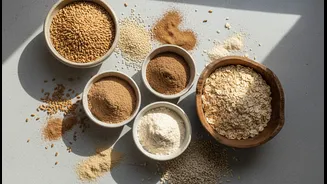
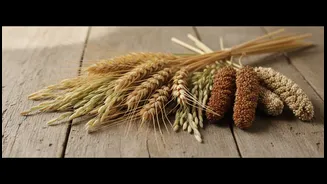
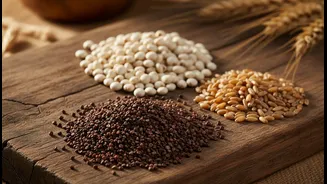
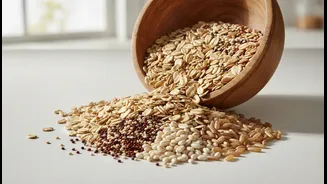
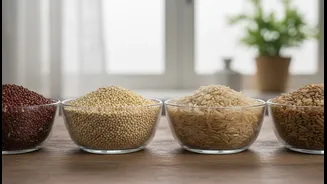
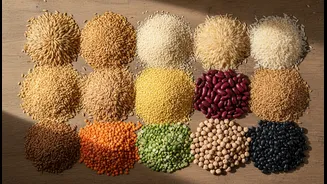
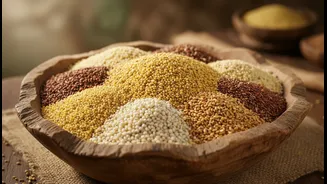
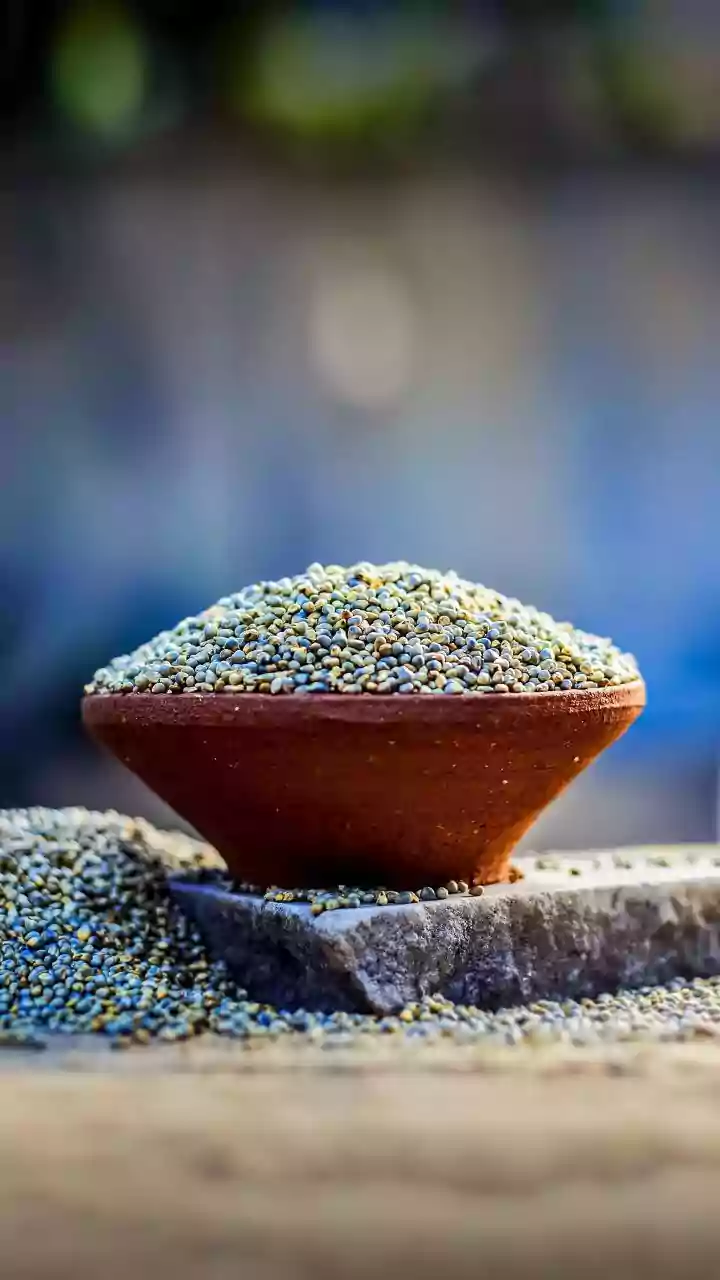
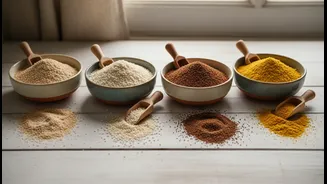
The key is to think of millets not as one entity, but as a diverse family of grains, each with its own unique strengths. Rotating them is the secret to unlocking their full potential. For instance: - Ragi (Finger Millet) is a calcium champion, boasting one of the highest levels among all cereals, which is vital for bone health. - Bajra (Pearl Millet) is an iron and protein hero, excellent for boosting energy and combating fatigue. - Jowar (Sorghum) is rich in antioxidants and B-vitamins, with fibre that helps manage cholesterol. - Foxtail Millet (Kangni) leads the pack in protein content and has a low glycemic index, making it great for blood sugar management. By including several types of millets in your diet, you ensure a much broader intake of essential nutrients than if you were to stick to just one.
Beyond Grains: The Power of a Varied Plate
The principle of variety extends far beyond the grain on your plate. A truly balanced diet is a colourful and diverse one. Health experts emphasize eating a wide range of foods across all groups: vibrant vegetables, fresh fruits, legumes, nuts, and seeds. This approach, known as dietary diversity, is crucial for good health. Different plant foods feed different beneficial bacteria in your gut, leading to a healthier gut microbiome, which is linked to better immunity, lower inflammation, and reduced risk of chronic diseases. So, while diversifying your millets is a great start, the ultimate goal is to diversify your entire plate.
Easy Ways to Diversify Your Diet
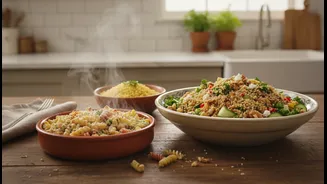
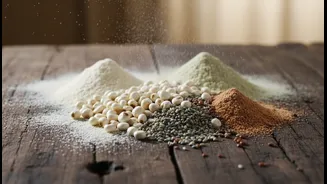
Incorporating more variety doesn't require a complete overhaul of your eating habits. Start with small, manageable changes. One of the easiest ways is to mix millet flour, like ragi or bajra, with your regular wheat atta for rotis. Try replacing rice with a different millet like foxtail or barnyard millet a few times a week for dishes like pulao or khichdi. You can soak whole millets along with rice and dal to make idli and dosa batter, adding a nutritional punch without drastically changing the taste. The goal is not perfection but progress. By consciously choosing to rotate grains and add more types of vegetables and pulses to your meals, you build a sustainable and genuinely healthy eating pattern.