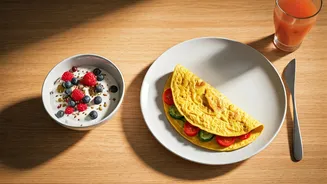




So, What Is a Protein Plate?
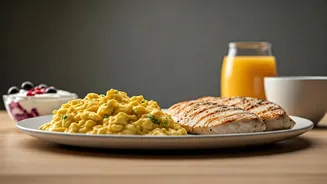
At its core, a protein plate is a deconstructed meal designed to be nutritionally balanced and visually appealing. Unlike a traditional thali or a mixed dish, each component is distinct and chosen for its macronutrient value. The formula is simple but
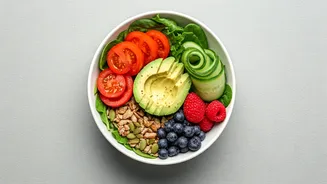
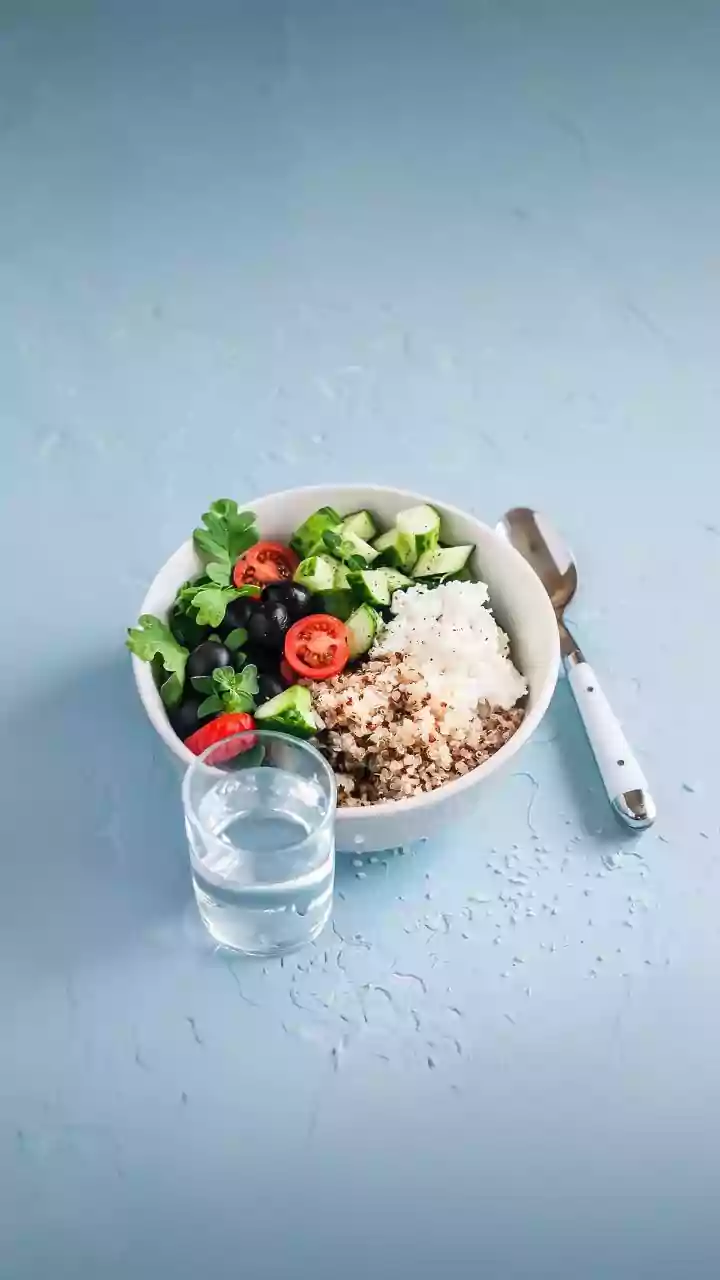
effective: a substantial portion of a primary protein source takes centre stage, supported by a cast of non-starchy vegetables, a healthy fat, and often a small portion of complex carbohydrates. Think grilled paneer or tofu alongside roasted broccoli, a spoonful of hummus, sliced avocado, and a sprinkle of seeds. It's less about a specific recipe and more about a mindful method of assembling a meal.
Why Are They Suddenly So Popular?
The rise of the protein plate is no accident. It’s the perfect storm of several cultural and wellness shifts. Firstly, there's the growing mainstream awareness of macronutrients—protein, fat, and carbohydrates. People are no longer just counting calories; they're optimising for satiety, muscle maintenance, and stable energy levels, and protein is the hero macronutrient for all three. Secondly, the visual nature of these plates makes them incredibly 'grammable.' In a world where we eat with our eyes first, a vibrant, organised protein plate is social media gold. This exposure loop—see it online, want it in real life—has fuelled its rapid spread from niche fitness blogs to mainstream urban eateries across India.
It’s Not Just for Gym-Goers
While the trend may have roots in fitness culture, its appeal is now much broader. For busy professionals, a protein plate offers a convenient and healthy lunch that won’t lead to a post-noon slump. The high protein and fibre content promotes a feeling of fullness, helping to curb cravings for unhealthy snacks later in the day. Nutrition experts often note that protein has a higher thermic effect of food (TEF) than carbs and fats, meaning your body burns more calories digesting it. This makes protein-forward meals a popular strategy for weight management. Moreover, for individuals managing blood sugar levels, a meal that prioritises protein and vegetables over refined carbohydrates can be particularly beneficial.
The Indian Take on the Trend
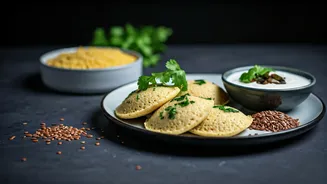
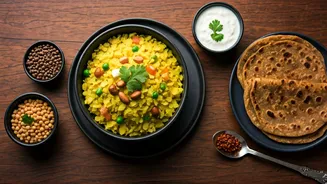
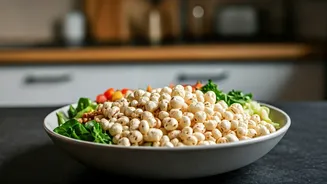
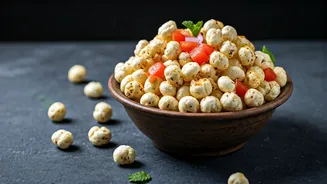
The best trends are the ones we can make our own, and the protein plate is no exception. Indian cafes and home cooks are brilliantly adapting the concept with local ingredients and flavours. Forget bland boiled chicken; we're seeing plates with tandoori-spiced tofu, masaledar chickpeas, herbed paneer steaks, and lentil-based koftas as the main event. Sides are just as creative, featuring sauteed greens with mustard seeds, kachumber salad, roasted sweet potatoes, and dollops of hung curd dip or mint chutney. Millets like quinoa and foxtail millet are replacing traditional grains, offering a gluten-free, high-protein carbohydrate source that feels both modern and deeply rooted in Indian culinary heritage.
How to Build Your Own
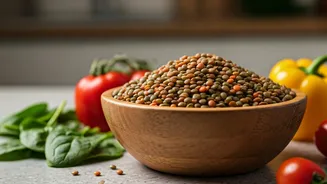
The beauty of the protein plate is its simplicity and customisability. You don't need a recipe, just a framework. Start by picking your protein: think eggs, chickpeas, lentils, paneer, tofu, chicken, or fish. This should cover about one-third to half of your plate. Next, fill most of the remaining space with a variety of colourful, non-starchy vegetables—leafy greens, bell peppers, cucumbers, broccoli, cauliflower—either raw or cooked. Then, add a source of healthy fat, which is crucial for flavour and absorbing vitamins. This could be a quarter of an avocado, a small handful of nuts or seeds, or a drizzle of olive oil dressing. Finally, if you like, you can add a small portion (about the size of your fist) of complex carbs like sweet potato, brown rice, or millet for extra energy.