






What the June Evidence Shows
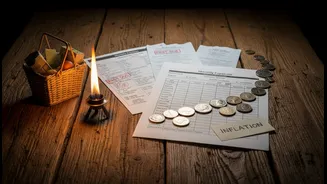
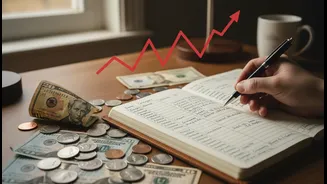
Contrary to hopes for a cool-down, India's retail inflation accelerated in June 2026, rising to 4.38% from 3.93% in May. This figure, released by the Ministry of Statistics and Programme Implementation, marks the first time in 17 months that inflation has
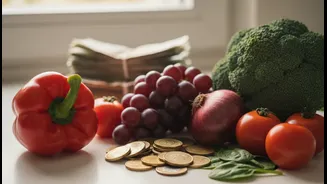
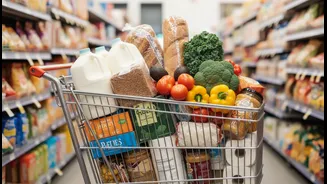
crossed the Reserve Bank of India's 4% medium-term target. The primary drivers behind this increase are elevated prices for food and fuel, two categories that form a significant chunk of any household's monthly budget. Food inflation specifically climbed to 5.32% in June, putting a direct strain on kitchen expenses across the country.
The Real-World Impact on Your Wallet
An abstract number like 4.38% has a very tangible impact. It means your money doesn't stretch as far as it did a month ago. The 'Food and beverages' category alone accounts for nearly 46% of the entire Consumer Price Index (CPI) basket, so when food gets more expensive, everyone feels it immediately. The recent data shows a mixed but worrying trend: while prices for items like potatoes have fallen, costs for others like tomatoes and ginger have surged. Simultaneously, transport inflation has also quickened, reflecting higher fuel prices passed on to consumers. For young professionals commuting to work and families managing daily errands, these twin pressures on food and transport can quickly derail a budget.
The Urgent Call to Rebalance
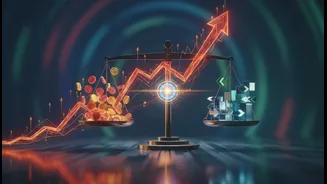
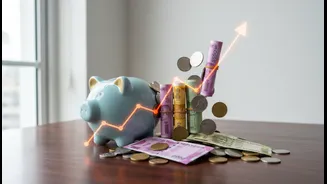
This spike in inflation is the 'evidence' that matters. It serves as a powerful, non-negotiable prompt to reassess your financial habits. Instead of causing panic, this moment should trigger a proactive review of your spending and saving patterns. For young households, who may still be developing their long-term financial strategies, this is an opportunity to build resilience. Waiting for costs to 'drift' further is not a viable option. The goal is to create a budget that can withstand not just this month's price pressures, but also future economic volatility. Experts warn that risks from an uneven monsoon and global energy prices could keep inflation firm, making immediate action all the more critical.
Step 1: Conduct a Financial Health Check
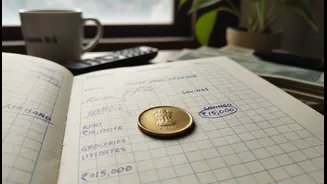
The first step to rebalancing is understanding exactly where your money is going. Commit to tracking your expenses for one full month. Use a simple app or a notebook to categorise every expenditure into 'needs' (rent, groceries, EMIs, utilities) and 'wants' (dining out, streaming subscriptions, impulse shopping). This exercise often reveals surprising patterns, like how much is being spent on food delivery services or weekend entertainment. Once you have a clear picture, you can identify areas where spending can be trimmed without significant sacrifice, freeing up cash to allocate toward more important goals.
Step 2: Build Your Financial Defences
In an inflationary environment, two financial tools become indispensable: an emergency fund and a debt-reduction plan. An emergency fund, typically covering three to six months of essential living expenses, acts as a critical buffer. It prevents you from having to take on high-interest loans or sell investments when faced with an unexpected cost. Start building this fund, even with a small amount each month. At the same time, prioritise paying down high-interest debt like credit card balances. As central banks often raise interest rates to combat inflation, the cost of carrying this debt can increase, putting an even greater strain on your finances.
Step 3: Make Smarter, Not Smaller, Choices
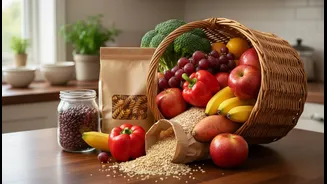
Rebalancing doesn't mean you have to stop enjoying life; it means making more conscious choices. To combat rising food costs, consider weekly meal planning to reduce waste and impulse buys at the grocery store. Look for deals and consider buying non-perishable staples in bulk. For transport, explore carpooling or using public transport a few days a week to save on escalating fuel costs. Being a smart shopper, leveraging discounts, and distinguishing between what you truly need and what you merely want are powerful skills for navigating any economic climate.