

The End of the 'Sad Beige' Era
Walk through any home decor store over the last decade, and you would have been forgiven for thinking the world had run out of colour. The reign of minimalist grey and its warmer cousin, beige, was absolute. Driven by a desire for clean, uncluttered,
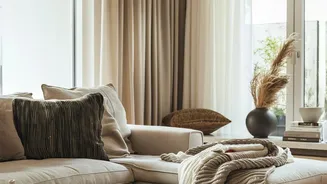
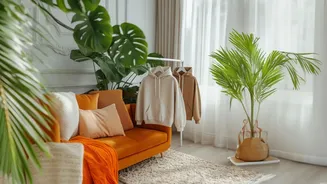
and calming spaces, we collectively embraced neutral palettes. But after years of living in perfectly curated, monochrome rooms, a sense of fatigue has set in. What once felt serene now often feels sterile, predictable, and emotionally flat. Designers and homeowners alike are pushing back against the "sad beige" aesthetic, seeking to inject personality and soul back into their living spaces. This isn't a call for chaotic maximalism, but a move toward a richer, more layered and expressive form of minimalism, where comfort is found in texture and natural character.
The New Palette: Earthy and Grounded
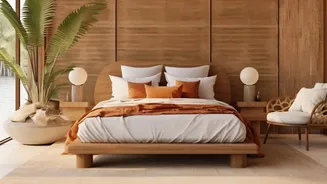
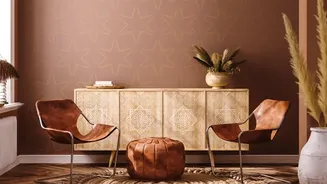
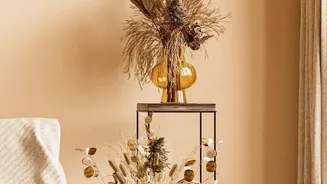
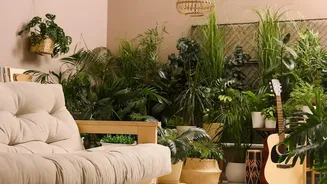
The move away from beige doesn't mean a sudden explosion of jarring primary colours. Instead, the new palette is inspired directly by the natural materials taking centre stage. Think of the rich, comforting tones of terracotta, muted greens like sage and olive, and deep, grounding browns. These colours offer the same neutrality as beige but with far more depth and character. They connect our homes to the natural world, tapping into the growing trend of biophilic design, which emphasizes our innate need for a connection to nature. This approach is about creating a sense of calm and well-being, using colours that feel both sophisticated and soothing. These earthy tones provide the perfect backdrop for materials like wood, stone, and natural fibres to truly shine.
Wood: The Timeless Anchor
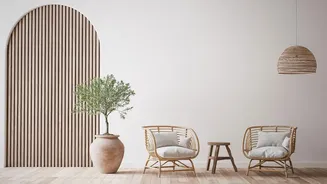
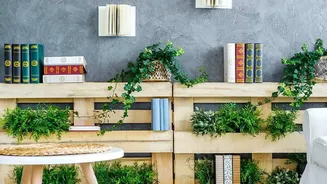
Wood is perhaps the most fundamental natural material in interior design, valued for its inherent warmth and durability. In the Indian context, woods like teak, sheesham (Indian rosewood), and mango wood have long been staples of traditional furniture. The current trend sees wood being used in more expansive ways. Think beyond just a coffee table or dining set. Consider wall panelling with visible wood grains, reclaimed wood for a rustic accent wall, or sleek wooden flooring to add warmth underfoot. The key is to celebrate the material's natural state: its grain, knots, and imperfections. This philosophy, rooted in concepts like the Japanese 'Wabi-Sabi', finds beauty in the authentic and imperfect.
Texture is the New Colour: Jute, Rattan and Cane
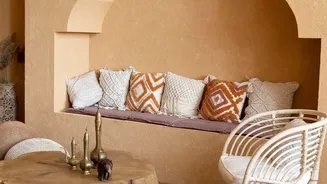
One of the easiest and most affordable ways to introduce natural materials is through textiles and woven goods. These materials add a layer of textural richness that a flat beige wall simply cannot replicate. Jute rugs, for example, bring a rustic, earthy feel to a living room and are incredibly durable. Rattan and cane, once relegated to outdoor furniture, are now celebrated indoors for their lightweight and airy quality, appearing in everything from statement chairs and cabinet fronts to intricate light fixtures. These natural fibres create visual interest and a sense of craftsmanship, making a space feel more curated and personal. Even simple swaps, like linen curtains or organic cotton throws, can soften a room and enhance its connection to nature.
Grounding Elements: Stone and Terracotta
For a deeper, more permanent connection to nature, look to stone and clay. In India, materials like terracotta (literally 'baked earth') and natural stone have been used in construction for centuries, precisely because they perform so well in our climate. Terracotta tiles provide excellent thermal mass, keeping floors cool in the summer, and their warm, reddish-brown hue is instantly welcoming. Beyond flooring, terracotta can be used in decorative pots, vases, and even light fixtures. Natural stone, from the elegance of marble to the rustic charm of slate or sandstone, can be used for countertops, flooring, or as a striking feature wall, adding a sense of permanence and timelessness to any space. These materials ground a home, giving it a solid and enduring feel.