





Become a Weather Expert
Before you even pack your bags, get familiar with reliable weather sources. Go beyond the default app on your phone. The India Meteorological Department (IMD) is the official source for weather warnings in the country. It uses a color-coded system to
help you understand the severity of a forecast. 'Green' means all is well, 'Yellow' advises you to stay aware, 'Orange' means be prepared for disruptions, and 'Red' is a signal to take action and avoid non-essential travel. An orange alert often warns of potential flooding and transport delays, while a red alert signals a significant threat to life and property from extremely heavy rainfall. Private forecasters like Skymet Weather also provide detailed, location-specific data across India, which can be invaluable for planning. Checking these resources daily can help you avoid getting stranded.
Choose Your Destination Wisely
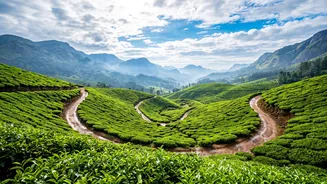
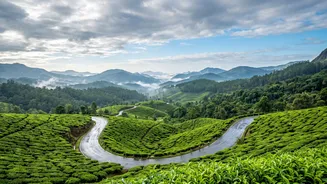
Not all destinations are created equal during the monsoon. While some places blossom, others become risky. It's wise to avoid regions prone to landslides, like many parts of the Himalayas, and low-lying coastal areas that can experience severe flooding. Instead, consider destinations that are beautiful and relatively safe in the rain. Places like Munnar in Kerala, Coorg in Karnataka, and Mahabaleshwar in Maharashtra are famous for their monsoon beauty, with lush landscapes and roaring waterfalls. Rajasthan's lake city, Udaipur, offers a romantic, less crowded experience. For those wanting to escape the rain entirely, rain-shadow regions like Ladakh or parts of Spiti Valley remain largely dry and accessible. Researching your intended route for potential closures or hazards is a critical first step.
Pack for a Downpour
The right gear can make the difference between a comfortable trip and a soggy ordeal. Your packing list should prioritise quick-drying and waterproof items. Opt for lightweight synthetic clothes over cotton, which takes a long time to dry in humid conditions. Essential rain gear includes a sturdy umbrella and a reliable raincoat or poncho. Waterproof footwear with a good grip is non-negotiable for slippery surfaces. To protect your valuables, invest in a waterproof backpack cover and use dry bags or resealable plastic pouches for your phone, camera, and important documents. It's also a good idea to pack a quick-dry towel and a few silica gel packets to throw into your luggage to absorb excess moisture.
Build a Flexible Itinerary
When travelling during a rainy season, rigidity is your enemy. Delays are common, whether due to waterlogged roads, slowed trains, or cancelled flights. The best strategy is to plan around the rain, not against it. Build buffer days into your schedule to accommodate unexpected disruptions. For each destination, have a mix of indoor and outdoor activities planned. If a trek gets rained out, you can pivot to a museum, a local cooking class, or a cosy cafe. Always have a backup plan. Starting your day trips early can also be a smart move, as rainfall often intensifies in the afternoon and evening in many regions.
Prioritise Safety on the Road
Road trips during the monsoon can be incredibly scenic, but they demand extra caution. Before starting, ensure your vehicle is in top condition, with functional wipers, good brakes, and tyres that have adequate tread. On the road, reduce your speed and maintain a safe following distance from other vehicles, as braking takes longer on wet surfaces. Use your low-beam headlights for better visibility, even during the day. It's crucial to avoid driving through waterlogged streets, as it's difficult to judge the depth or spot hidden potholes. If visibility becomes extremely poor, it's safer to pull over and wait for the rain to subside.
Secure a Travel Insurance Safety Net
Travel insurance is always a good idea, but it's especially important when your plans are at the mercy of the weather. When purchasing a policy, look specifically for coverage related to trip cancellations, curtailments, and delays due to adverse weather conditions. This can help you recover non-refundable expenses for flights and hotels if a severe weather alert forces you to cancel or cut your trip short. Many policies also cover expenses incurred due to significant flight delays, which are common during heavy rains. Reading the policy details carefully ensures you have a financial safety net against unforeseen disruptions.