

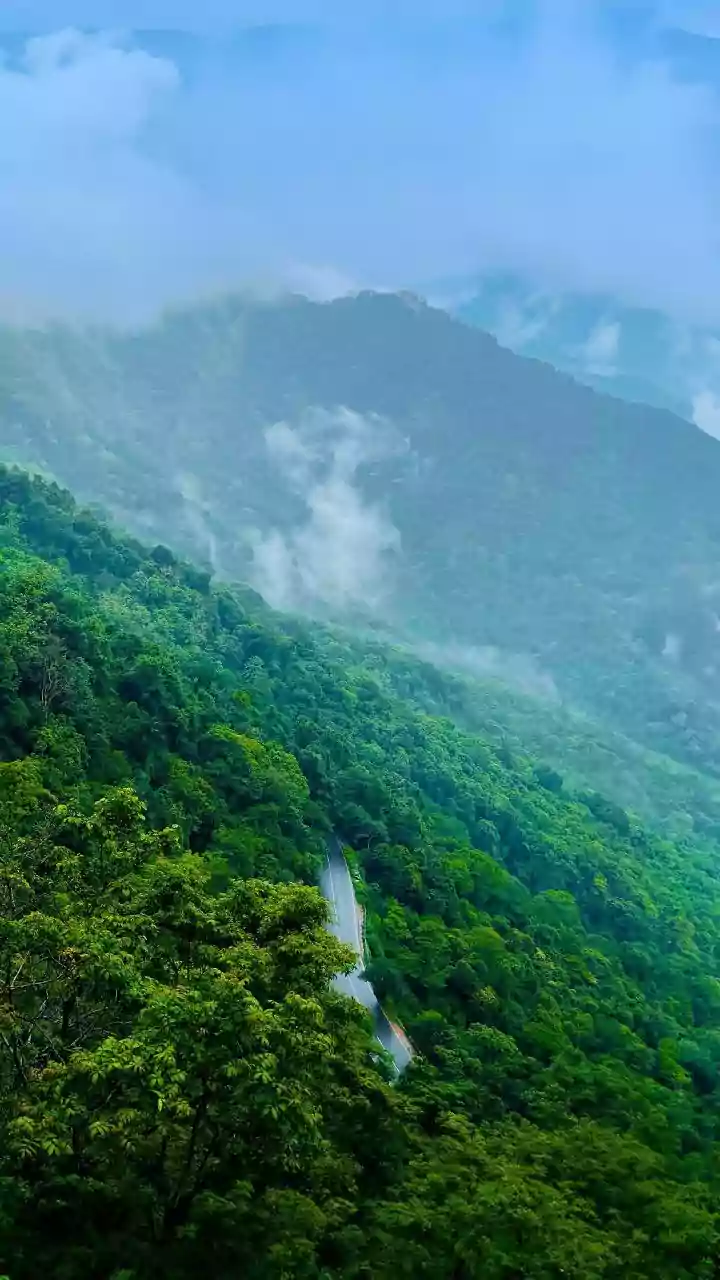





So, What Is 'Calm Travel'?
At its heart, this trend is about 'silent travel' or 'quiet tourism'. But don't let the name fool you—it isn't necessarily about taking a vow of silence. Instead, it’s a conscious decision to disconnect from the noise of daily life. This means less time
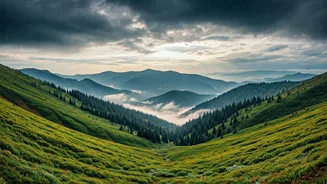
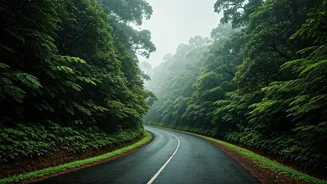
scrolling through your phone, fewer notifications pinging, and more time simply being present. It’s a rebellion against the pressure to 'do it all' and 'see it all'. Think of it as the opposite of a jam-packed, city-hopping tour. The goal is to immerse yourself in your surroundings, whether it's the sound of wind rustling through pine trees, the gentle lapping of waves on a shore, or the quiet hum of a library in a foreign city. It’s travel that prioritises internal peace over external performance.
Why Is Everyone Seeking Silence?
The rise of quiet tourism isn't happening in a vacuum. It’s a direct response to our hyper-connected, over-stimulated world. We live with a constant barrage of information, from work emails that follow us home to the endless scroll of social media. This 'digital noise' leads to burnout and a deep-seated craving for genuine rest. The pandemic also played a role, forcing many to slow down and re-evaluate what they truly want from their time off. The result? A growing number of travellers are saying 'no' to performative vacations—the kind designed to look good on Instagram—and 'yes' to experiences that actually feel good. They are seeking authenticity and a deeper connection with both themselves and the destination, something that’s hard to achieve when you’re busy crafting the perfect caption.
The Real Benefits of a Quieter Journey
Choosing a calmer travel style offers more than just a peaceful itinerary; it delivers tangible wellness benefits. Unplugging from digital devices has been shown to reduce stress and anxiety, improve sleep quality, and enhance mental clarity. When you’re not constantly distracted, your senses become sharper. You notice the intricate patterns on a leaf, the nuanced flavours in a local dish, and the subtle shifts in the evening light. This heightened awareness fosters a more profound connection to the place you're visiting. You're no longer just a tourist ticking off a checklist; you're an observer, a participant. This mindfulness can lead to more meaningful memories and a sense of rejuvenation that lasts long after you've returned home.
How to Embrace Calm Travel
You don't need to book a ten-day silent retreat to get started (though you can!). Calm travel is a mindset that can be applied to any trip. Start small by scheduling 'quiet time' into your day. This could be an hour-long walk without your phone, a morning spent reading in a local park, or simply sitting at a cafe and people-watching instead of scrolling. Choose accommodations that foster tranquility, like a boutique guesthouse instead of a massive, bustling resort. Prioritise nature-based activities, such as hiking, bird-watching, or kayaking. The key is intention. Before you go, ask yourself what you truly need from this break. If the answer is rest, give yourself permission to do less and experience more.
Finding Your Quiet Corner in India
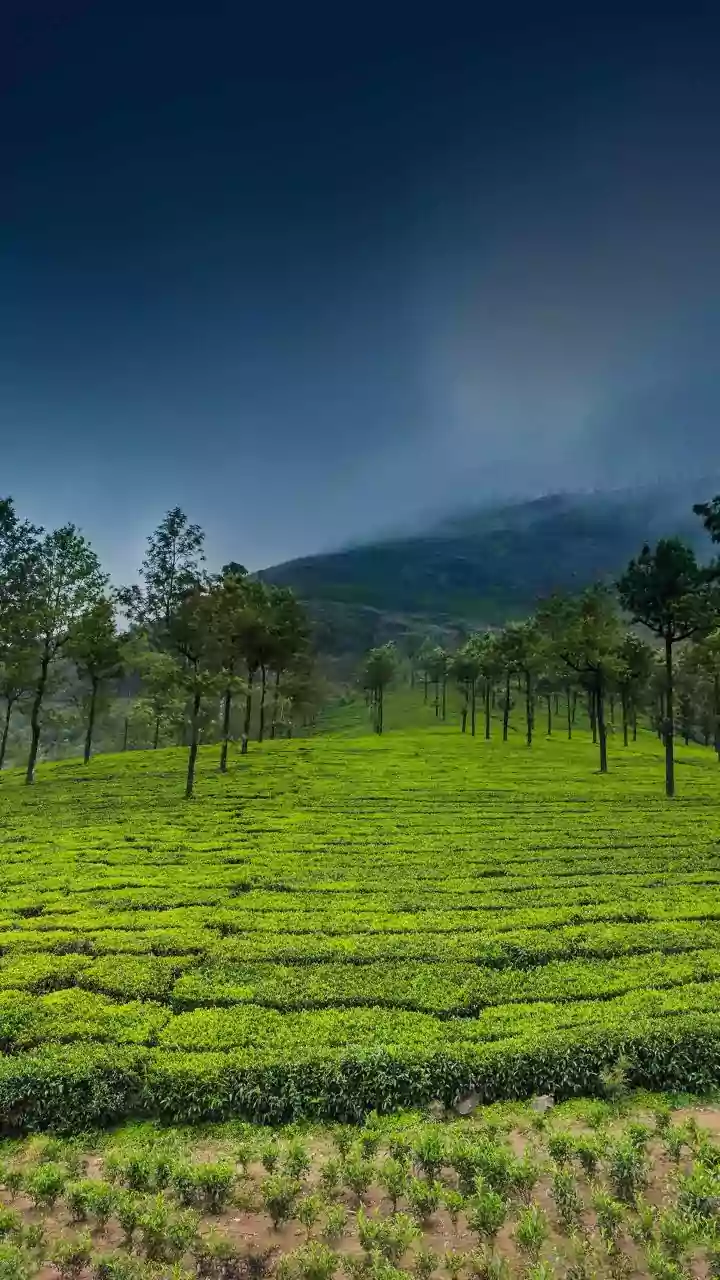
India, with its deep-rooted traditions of mindfulness and its vast, diverse landscapes, is perfectly suited for quiet travel. You can find serenity in the Himalayan foothills of Uttarakhand or Himachal Pradesh, staying in a small village homestay where the loudest sound is the distant chime of a temple bell. The backwaters of Kerala offer a unique form of silent travel, where you can drift on a houseboat and watch the world go by at a languid pace. Consider the lesser-known beaches of coastal Karnataka or the stark, meditative beauty of Ladakh. Even a spiritual centre like Rishikesh, despite its crowds, has countless ashrams and riverside spots dedicated to quiet contemplation. The options for a peaceful escape within the country are endless.