






The Scalp's Main Character Moment
For decades, the hair care aisle was a predictable landscape dominated by shampoos for shine and conditioners for softness. The scalp was an afterthought, addressed only when problems like dandruff became too obvious to ignore. That era is officially
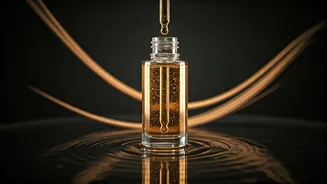
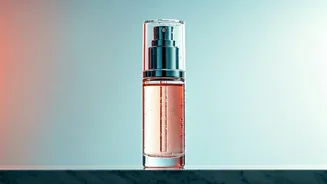
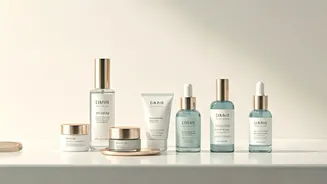
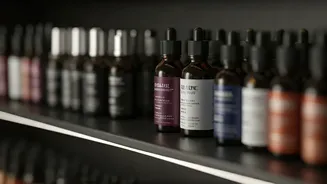
over. Retailers across India's metro cities are reporting a dramatic surge in the sales of scalp serums—lightweight, concentrated treatments designed to be applied directly to the skin on your head. This isn't just a small uptick; it's a category explosion. Brands that once focused solely on face care are now launching entire lines dedicated to the scalp, and consumers are eagerly buying in. This boom signals a fundamental re-evaluation of hair health, starting from the ground up.
Why the Sudden Obsession?
Several factors are driving this scalp-care revolution. The biggest is the 'skinification' of hair. We’ve finally realised that the scalp is skin, and just like the skin on our face, it needs more than just a quick wash. It has pores, it produces oil, and it ages. This mindset shift has been heavily amplified by social media, where beauty influencers and dermatologists alike are preaching the gospel of scalp health. The pandemic also played a role. Increased stress and post-illness hair fall led many to seek more potent solutions than a simple anti-hair fall shampoo. They began researching ingredients, understanding the hair growth cycle, and demanding products with proven actives that address issues at the source.
Decoding the Ingredient List
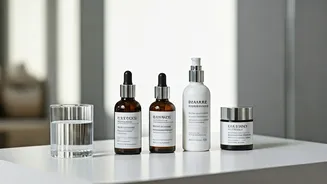
So, what's actually inside these popular bottles? Unlike heavy oils, scalp serums are typically water-based and packed with active ingredients borrowed from high-end skincare. For an oily, congested scalp prone to buildup, ingredients like salicylic acid help gently exfoliate and clarify. For a dry, tight, or flaky scalp, hyaluronic acid and glycerin are heroes, providing intense hydration without greasiness. If hair thinning or slow growth is your concern, you’ll find serums with peptides, caffeine, or biotin, which aim to stimulate follicles and support a healthier growth environment. Antioxidants like Vitamin C protect the scalp from environmental damage, while soothing agents like niacinamide or aloe vera can calm irritation and redness. The idea is to target your specific scalp concern with the same precision you’d use for your face.
Is It a Real Fix or Just Hype?
While the marketing can be enthusiastic, the science is sound. Trichologists (hair and scalp specialists) agree that a healthy scalp is the foundation for healthy hair. A scalp that is clogged with product buildup, dead skin, and excess oil cannot support robust hair growth. Similarly, a dehydrated scalp can lead to weak, brittle strands. A good scalp serum can genuinely improve the scalp environment. However, it's crucial to manage expectations. A serum can help with moderate hair fall related to scalp condition, but it won't reverse genetic baldness. It can soothe dandruff, but a persistent condition may require a medicated approach. Think of scalp serums as a vital part of a proactive maintenance routine, not a magic cure for serious dermatological issues.
How to Choose Your Serum
Navigating the crowded shelves can be daunting. The key is to diagnose your scalp's needs. Is it oily and prone to getting greasy a day after washing? Look for a clarifying serum with salicylic acid or tea tree oil. Is it dry, tight, and sometimes itchy? A hydrating serum with hyaluronic acid or squalane is your best bet. Experiencing more shedding than usual or want to boost thickness? Try a stimulating serum with peptides, caffeine, or rosemary oil. If your scalp is sensitive and easily irritated, opt for a calming formula with niacinamide or cica. Apply the serum to a clean, towel-dried scalp, sectioning your hair to ensure it reaches the skin. Massage it in gently with your fingertips—don't rinse—and style as usual.