

The Philosophy of Fasting
Navratri fasting, or observing 'vrat', is a deeply spiritual practice designed to purify the body, mind, and soul. The word 'upavasa' itself means 'to stay near God', shifting the focus from worldly pleasures to inner devotion. This period, which falls
at the cusp of changing seasons, is also seen through an Ayurvedic lens as a time when the body's immunity is lower. Adhering to a 'sattvic' or pure diet helps cleanse the system, gives the digestion a rest, and calms the mind for prayer and meditation. It's a culinary reset that aligns the body with the spiritual intentions of the festival.
The Sattvic Pantry: What's Allowed
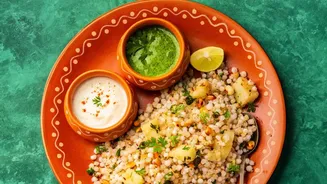
During Navratri, the everyday pantry is replaced with a special selection of ingredients. Common grains like wheat and rice are avoided. Instead, kitchens are stocked with alternative flours such as Kuttu ka Atta (buckwheat flour), Singhare ka Atta (water chestnut flour), and Rajgira ka Atta (amaranth flour). For rice-like dishes, Samak ke Chawal (barnyard millet) becomes the go-to grain. Sabudana (tapioca pearls) is another versatile staple, used for everything from khichdi to vadas. Regular table salt is swapped for Sendha Namak (rock salt). Vegetables like potatoes, sweet potatoes, pumpkin, and bottle gourd are widely used, along with all fruits, dairy products, and nuts.
Forbidden Flavours: What's Avoided
The list of prohibited foods is just as important in defining Navratri cuisine. The most notable exclusions are onion and garlic. According to Ayurveda, these ingredients are considered 'tamasic' and 'rajasic', meaning they can promote lethargy or over-stimulate the senses, distracting from the calm, devotional state sought during the festival. Legumes, lentils, eggs, and non-vegetarian foods are also strictly avoided. Even certain spices, such as turmeric and asafoetida, are often left out to maintain the simple, pure profile of the dishes. This limited palette forces cooks to find flavour and texture through other means.
A Feast of Creativity
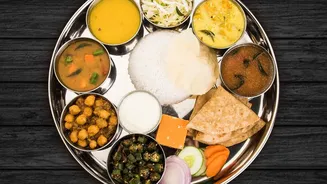
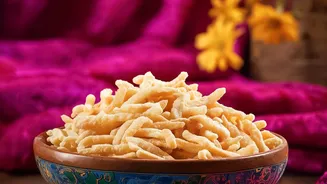
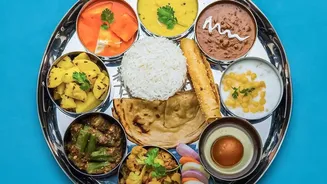
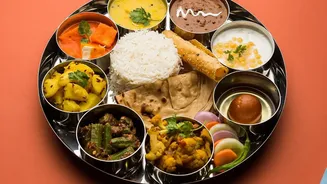
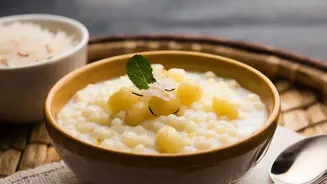
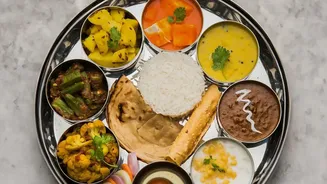
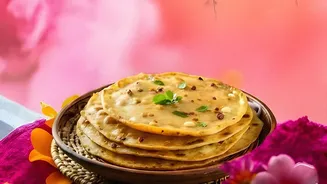
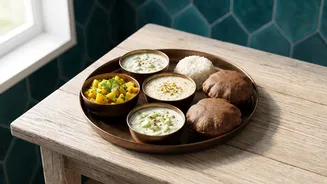
The restrictions of Navratri fasting do not lead to bland food; instead, they spark incredible culinary innovation. The limited ingredients are transformed into a diverse and delicious spread. Kuttu ki Puri, a crispy, deep-fried bread made from buckwheat flour, is a festival classic, often paired with a simple yet flavourful Vrat Wale Aloo, a potato curry made without onions or garlic. Sabudana Khichdi is a beloved dish where soaked tapioca pearls are sautéed with peanuts, green chillies, and cumin, creating a light but satisfying meal. Snacks like Samak Tikki (barnyard millet patties) and desserts like Makhane ki Kheer (foxnut pudding) showcase how fasting ingredients can be turned into comforting and festive treats. This is a cuisine where technique and an understanding of ingredients triumph over a long list of spices.