
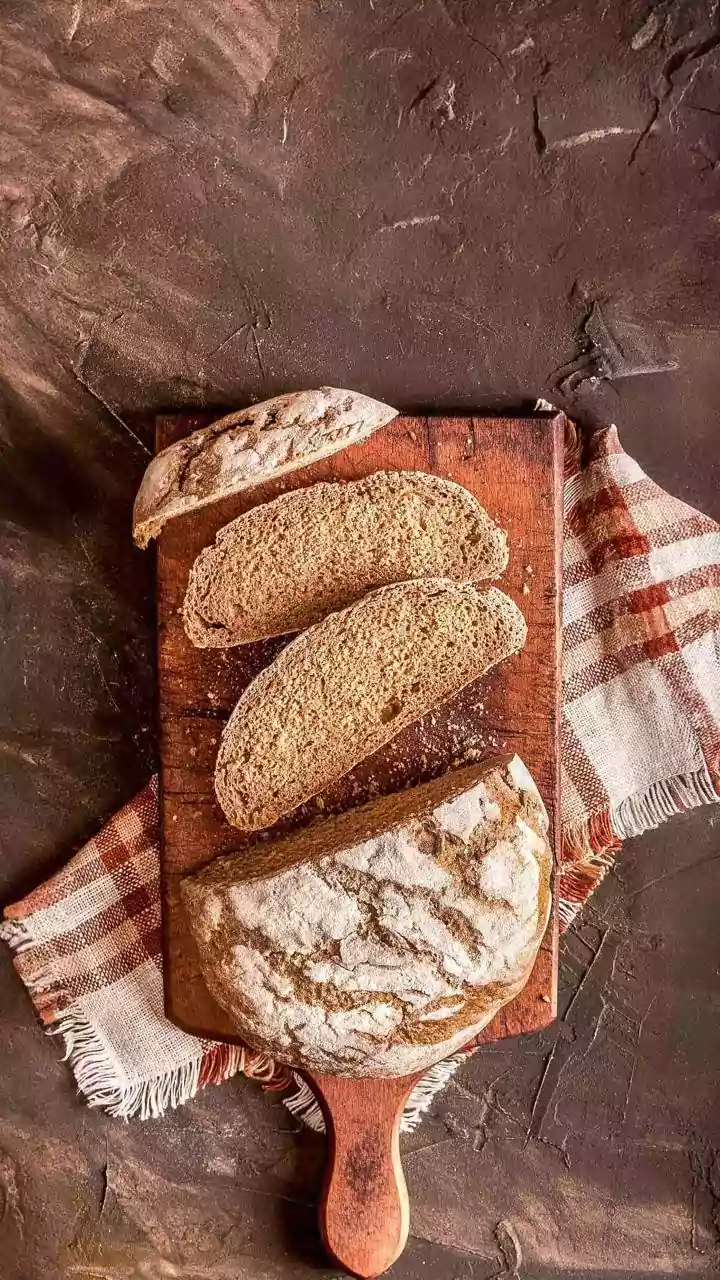





What Exactly Is a Sourdough Starter?
A sourdough starter is a living culture of wild yeast and beneficial bacteria. Instead of using commercial yeast from a packet, you cultivate this natural yeast from your environment. By mixing flour and water and letting it ferment, you create a bubbly,
active starter that will make your bread rise and give it that signature tangy flavour. Think of it as a low-maintenance pet that lives in a jar on your counter; with regular feedings, it will provide you with delicious bread for years to come. The process is a fascinating journey into the world of natural fermentation.
Choosing Your Local Flour
The beauty of sourdough is its simplicity, and you don't need expensive, imported flours. Common Indian flours work wonderfully. Whole wheat flour (atta) is an excellent choice for starting because the bran contains plenty of natural yeasts that kickstart fermentation. Many bakers find that atta-based starters become active faster. All-purpose flour (maida) can also be used, or a 50:50 blend of atta and maida, which gives you the best of both worlds: the nutritional boost from whole wheat and the lighter texture from refined flour. Don't be afraid to experiment with what you have in your pantry.
Day 1-2: Creating Your Starter
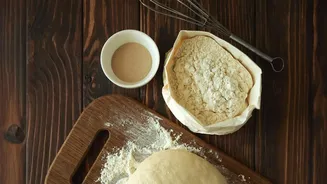
Let's begin. You’ll need a clean glass jar, flour, water, and a kitchen scale for accuracy. On Day 1, combine equal parts by weight of flour and water in your jar—say, 50 grams of atta and 50 grams of water. Mix thoroughly until no dry flour remains, cover the jar loosely (a cloth or a lid placed on top without sealing it works well), and leave it at room temperature for 24 hours. On Day 2, you might not see much activity, and that's perfectly normal. Just let it sit and continue to ferment.
Day 3-7: The Discard and Feed Routine
From Day 3 onwards, you'll begin a daily routine of 'discarding and feeding'. This sounds wasteful, but it's crucial for managing the acidity and providing fresh food for the yeast. Each day, discard about half of your starter. Then, feed the remaining starter with a fresh mix of 50 grams of flour and 50 grams of water. Stir well, mark the level on the jar with a rubber band, and let it sit. In India's warmer climate, fermentation can be rapid. You might see bubbles and a rise in volume sooner than guides written for colder climates suggest. From Day 4, you may need to feed it twice a day if it rises and falls quickly.
Top Beginner Hacks
To streamline your sourdough journey, here are a few tricks. First, the 'float test': to check if your starter is ready for baking, drop a small spoonful into a glass of water. If it floats, it’s full of gas and ready to use. Second, managing the starter in a warm climate can be tricky. If it ferments too quickly, you can use the refrigerator to slow it down. Once your starter is mature, you can store it in the fridge and feed it just once a week. Finally, don't throw away your discard! It can be used to make delicious pancakes, crackers, and waffles.
Troubleshooting Common Issues
If you see a dark liquid on top, don't panic. This is 'hooch,' an indicator that your starter is hungry. You can either stir it back in for a tangier flavour or pour it off before feeding. If your starter smells unpleasant (like old socks) in the first few days, this is often a normal phase as the good bacteria fight to take over. Just keep up the feeding schedule. If you see fuzzy, colourful mould, however, you must discard it and start over. A sluggish starter that isn't rising can often be revived with a few consistent feedings in a warm spot, like an oven with the light on (but turned off).