




As Diwali approaches, the excitement of celebrations is often met with a complex web of rules about firecrackers. To ensure your festivities remain joyful and free from legal trouble, staying updated on local pollution board directives is essential.
Understanding the Rule-Makers: CPCB and SPCBs
Across
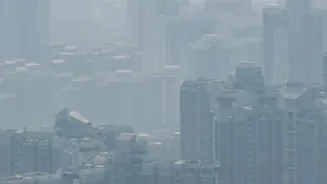
India, the responsibility for managing environmental regulations falls to the Central Pollution Control Board (CPCB) and its state-level counterparts, the State Pollution Control Boards (SPCBs). During festive seasons like Diwali, these bodies are tasked with a crucial balancing act: honouring cultural traditions while protecting public health from severe air and noise pollution. Following directives from the Supreme Court, these boards issue specific guidelines that regulate the sale and use of firecrackers. These rules are not arbitrary; they are based on environmental data and health advisories, especially concerning the spike in respiratory illnesses linked to post-Diwali smog. The boards aim to mitigate the release of harmful pollutants that can worsen air quality for weeks.
Common Directives You Need to Know
While rules can vary significantly from one city or state to another, several common themes emerge each year. The most frequent restriction is a time window for bursting firecrackers, often limited to a two-hour period, such as 8 pm to 10 pm on Diwali night. Many states have also banned conventional firecrackers, permitting only the sale and use of 'green crackers' developed by CSIR-NEERI. These are designed to reduce particulate matter emissions by about 30% and do not contain banned chemicals like barium salts. Furthermore, there are strict noise level caps, typically around 125 decibels, and designated 'silent zones' near hospitals, schools, and courts where bursting firecrackers is completely prohibited. In regions with critically poor air quality, like Delhi-NCR, authorities have often imposed a complete ban on all types of firecrackers.
The High Cost of Ignoring the Rules
Violating these directives can lead to significant financial penalties and even legal action. The fines are not uniform across the country and depend on local enforcement. For instance, bursting crackers beyond the permitted time limit can result in a fine. In Delhi, past violations have led to fines of ₹200 and the possibility of a jail term of up to six months under the Indian Penal Code. The consequences for selling illegal firecrackers are even more severe, with potential fines reaching up to ₹5,000 and imprisonment for up to three years under the Explosives Act. Legal action can be taken under several laws, including the Environment (Protection) Act, 1986, and the Air (Prevention and Control of Pollution) Act, 1981, giving authorities the power to ensure compliance.
How to Find Your City’s Specific Rules
Given that regulations are highly localised and can change from year to year, relying on last year's information is a common mistake. The safest approach is to check for the latest circulars in the week leading up to Diwali. The most reliable sources are the official websites of your state's Pollution Control Board (e.g., MPCB for Maharashtra, JSPCB for Jharkhand). Additionally, keep an eye on public notices issued by your district administration or municipal corporation, which are often published in local newspapers and on official social media channels. Sometimes, even residential societies issue their own circulars based on these directives. These official announcements will provide clear, up_to_date information on permitted cracker types, timings, and designated bursting areas, if any.
Celebrating Responsibly This Diwali
Adhering to pollution control board directives is more than just about avoiding fines; it's a matter of community health and safety. The hazardous smoke from firecrackers poses a serious risk, especially to children, the elderly, and individuals with respiratory conditions like asthma. By choosing to celebrate with approved green crackers within the set time limits, or exploring alternatives like light displays, rangoli, and community gatherings, you contribute to a safer and healthier festival for everyone. A responsible celebration ensures that the 'festival of lights' does not turn into a source of distress and pollution, allowing the spirit of Diwali to shine through brightly and safely.