



The High Cost of Speed
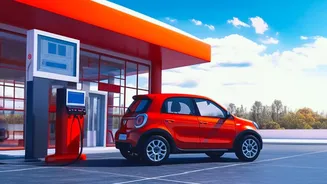
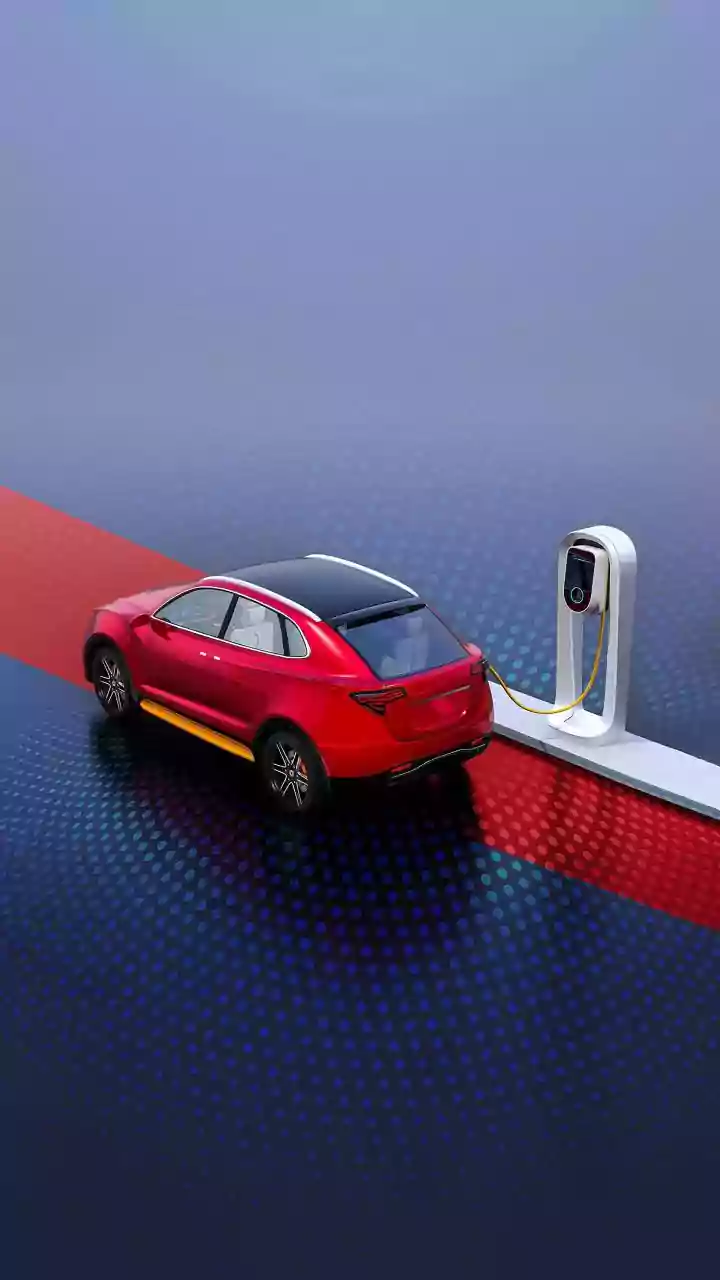
For anyone who has ever owned an electric vehicle, the temptation to charge it faster is universal. However, with current standard lithium-ion batteries, simply forcing more power in a shorter time isn't a viable solution. Doing so generates excessive
heat, which is the primary enemy of battery health. This heat can accelerate the degradation of battery cells, leading to a gradual loss of capacity and a shorter overall lifespan. In more extreme cases, aggressive fast charging can cause a phenomenon known as 'lithium plating', where metallic lithium builds up on the anode. This not only reduces the battery's performance permanently but can also create safety hazards. Therefore, the challenge isn't just about speed; it's about achieving speed without compromising safety or the longevity of the battery.
New Recipes for Better Batteries
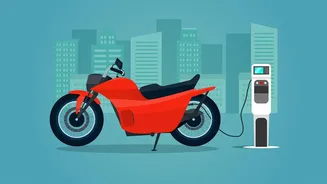
The key to unlocking truly fast charging lies in redesigning the battery from the inside out. Researchers are exploring new chemistries that are inherently more stable and efficient. One of the most promising alternatives for the Indian market is the sodium-ion battery. Unlike lithium, sodium is abundant and inexpensive, which could drastically reduce battery costs. More importantly, sodium-ion batteries demonstrate faster charging capabilities and are safer, as they can be transported with zero charge, reducing fire risk. Another major frontier is the solid-state battery. These replace the liquid or gel electrolyte found in conventional batteries with a solid material. The result is a battery that is not only safer and more compact but can also be charged in a fraction of the time. Some prototypes for electric motorcycles claim a full charge in under 20 minutes.
Smarter Systems, Safer Charging
While new materials are the future, significant progress is also being made to make current lithium-ion technology smarter. The unsung hero of the modern EV battery is the Battery Management System (BMS). This onboard computer constantly monitors the temperature, voltage, and current of every cell in the pack. Advanced BMS technology allows the vehicle to accept a fast charge while actively protecting the battery. It can intelligently slow down the charging rate as the battery gets closer to full or if it detects a rise in temperature, minimizing stress and degradation. Real-world studies on electric cars have shown that with a sophisticated thermal management system, the difference in long-term battery health between vehicles that frequently fast-charge and those that don't is statistically insignificant.
Bringing Innovation to Indian Roads
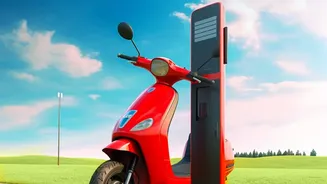
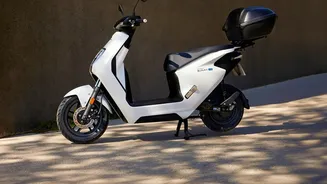
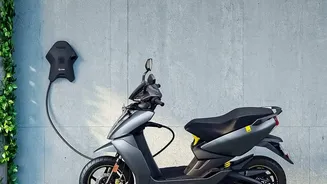
This global research has very direct implications for India's ambitious electric vehicle goals. The government's push to electrify a significant portion of its vehicle fleet by 2030 hinges on making EVs convenient for the masses. Indian startups are rising to the challenge. Bengaluru-based Exponent Energy, for instance, has developed technology it claims can charge a vehicle from 0 to 100% in just 15 minutes. Meanwhile, Bolt.Earth recently received ARAI certification for the world's first universal DC fast charger for two and three-wheelers, capable of providing 40 km of range in 15 minutes. These innovations, whether in battery chemistry or smart charging hardware, are crucial for solving the range anxiety and long downtimes that currently prevent many Indian consumers from making the switch.