



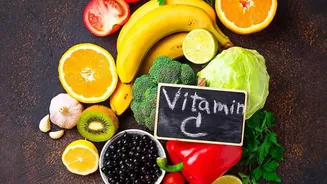
The Allure of the 'Miracle Food'
We've all seen the headlines proclaiming the next great 'superfood'—an exotic berry from a faraway mountain, a trendy vegetable juice, or a special seed that promises to undo years of unhealthy habits. This concept is incredibly appealing because it suggests
a simple, almost magical solution to complex health issues. The term 'superfood' itself is more of a marketing buzzword than a scientific classification. While these foods, from kale to blueberries, are often nutritious, the idea that they can single-handedly protect your heart is misleading. Health experts warn that adding a handful of goji berries to a diet filled with processed foods won't negate the negative effects. True heart health isn't found in one single ingredient, but in the sum of all your dietary choices.
The Power of an Eating Pattern
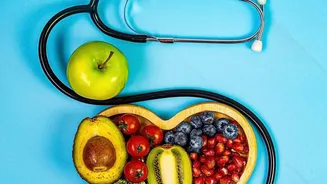
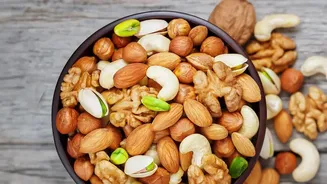
Cardiologists and nutrition experts are increasingly shifting the conversation from individual foods to overall dietary patterns. A healthy eating pattern is the consistent, day-in-day-out combination of foods you eat. Proven heart-healthy patterns like the DASH (Dietary Approaches to Stop Hypertension) diet and the Mediterranean diet share common principles. They emphasize whole, minimally processed foods like fruits, vegetables, and whole grains. They also include healthy sources of protein like fish, legumes, and nuts, and favor unsaturated fats from olive oil and avocados over the saturated fats found in fatty meats and processed snacks. The focus is on balance, variety, and creating a sustainable way of eating that you can stick with for life, rather than chasing short-term, restrictive trends.
From Theory to Your Snack Drawer
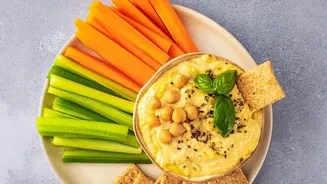
So, how do you apply this 'pattern over miracles' philosophy to your daily life? Snacking is a great place to start. A heart-healthy snack isn't a low-calorie, flavourless rice cake; it's a mini-meal that combines food groups to provide sustained energy and valuable nutrients. A good formula is to pair a source of lean protein or healthy fat with a high-fiber carbohydrate (like a fruit or vegetable). This combination helps keep you full, stabilizes blood sugar, and contributes to your overall healthy pattern. The following recipes are designed to be simple, delicious, and perfect examples of this principle in action.
Creamy Avocado & Chickpea Toast
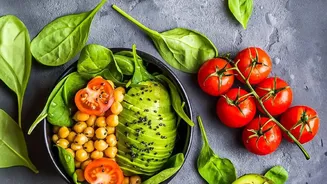
This snack is a powerhouse of heart-healthy monounsaturated fats, fiber, and plant-based protein that comes together in minutes. Step 1: Toast one slice of whole-grain bread until golden brown. Step 2: In a small bowl, mash a quarter of a ripe avocado with a half-cup of rinsed chickpeas. Mix in a squeeze of lemon juice and a pinch of black pepper. Step 3: Spread the avocado and chickpea mixture evenly on your toast and enjoy immediately.
Greek Yogurt with Berries & Walnuts
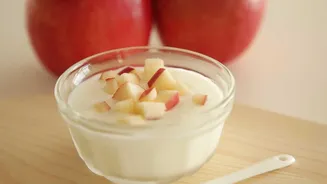
Packed with protein, antioxidants, and omega-3 fatty acids, this is a classic combination that satisfies a sweet craving without the added sugar. Step 1: Spoon one serving of plain, low-fat Greek yogurt into a bowl. Step 2: Top the yogurt with a handful of mixed berries, either fresh or frozen (if frozen, you can thaw them for a few minutes first). Step 3: Sprinkle with a small handful of crushed walnuts for a satisfying crunch and a boost of healthy fats.
Edamame with a Pinch of Sea Salt
Sometimes the simplest snacks are the best. Edamame (young soybeans) are a fantastic source of plant-based protein and fiber, making them an incredibly filling and nutritious option. Step 1: Cook one cup of frozen, shelled edamame according to package directions (usually by boiling or microwaving for a few minutes). Step 2: Drain the cooked edamame well. Step 3: Toss with a tiny pinch of sea salt for flavor and serve warm.