






Before You Travel: The First Step to Safety
Preparation begins before you even step out of the door. The India Meteorological Department (IMD) regularly issues forecasts and warnings for various regions. As of early July 2026, active monsoon conditions have been forecast across large parts of the country,
with alerts for heavy rainfall in states from Gujarat and Maharashtra to West Bengal and the northeastern states. Always check the latest IMD advisories for your route and destination. Inform a family member or friend of your travel plans, including your route and expected arrival time. Charge all your electronic devices, including phones and power banks, as power cuts are common during heavy downpours. Finally, if the weather forecast is particularly severe, the safest decision is often to postpone your journey. Authorities frequently advise residents to avoid unnecessary travel during Red or Orange alerts.
On the Road: Driving Through Downpours
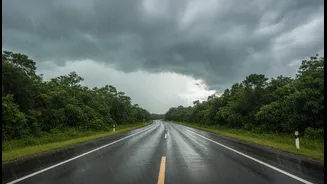
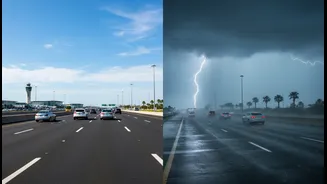
Driving during the monsoon requires the utmost caution. Roads become slick, visibility drops, and the risk of hydroplaning increases. Reduce your speed, double the usual distance from the vehicle in front of you, and use your low-beam headlights to improve visibility. The biggest challenge is often waterlogged streets. It's impossible to judge the depth of murky water, which can hide deep potholes or open manholes. As a rule, if the water level seems to be above the bottom of your car door or higher than your ankles (about 15-30cm), do not attempt to drive through it. If you must cross a shallow waterlogged patch, do so in a low gear at a steady, slow pace, keeping engine revs high to prevent water from entering the exhaust pipe. Never restart your engine if it stalls in water, as this can cause catastrophic damage. After exiting water, tap your brakes gently to dry them and restore their effectiveness.
Navigating Public Transport
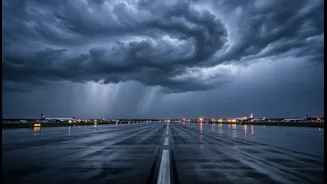
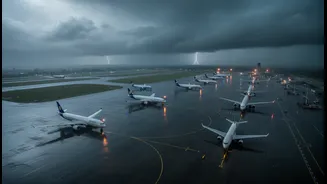
Heavy rains frequently disrupt both train and air travel. Waterlogging on tracks can lead to significant delays, diversions, and even cancellations of local and long-distance trains. Recent disruptions in July 2026 saw services on major routes, including the Mumbai suburban network, impacted by inundated tracks. Before heading to the station, always check the live status of your train through official railway websites or apps. At the station, be cautious on wet platforms and footbridges, which can be slippery. Similarly, air travel is often affected. Heavy rain, gusty winds, and low visibility can lead to flight delays and diversions, as recently experienced at airports in Mumbai and Delhi. Airlines typically issue travel advisories during severe weather, so check your flight status before leaving for the airport and allow extra time for road traffic delays.
Special Caution for Hilly Areas
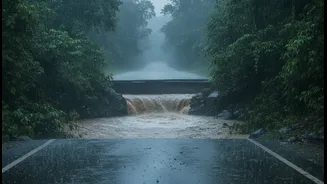
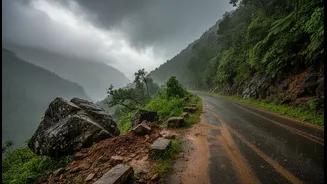
Travelling to hill stations during the monsoon carries the additional, serious risk of landslides and rockfalls. Regions in the Himalayas and the Western Ghats are particularly vulnerable. Intense rainfall saturates the soil on steep slopes, which can lead to sudden and catastrophic collapses. In July 2026, authorities in Pune issued warnings for popular spots like Lonavala and Khandala, citing the increased risk of landslides and rockfalls. If your travel plans include hilly regions, check with local authorities about road conditions before you start. Avoid travelling at night and be prepared for roads to be blocked for extended periods. Choosing destinations with better infrastructure and less susceptibility to landslides is a safer bet during the peak monsoon months of July and August.
Your Monsoon Emergency Go-Bag
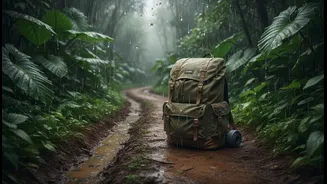
Whether you are commuting or travelling long-distance, a well-stocked emergency kit is a monsoon essential. Being stranded due to a traffic jam, a cancelled train, or a landslide is a real possibility. Your kit should be kept in a waterproof bag and contain essentials to keep you safe and comfortable. Key items include a fully charged power bank, a torch with extra batteries, and a basic first-aid kit with antiseptic wipes, bandages, and any personal medications. Pack some non-perishable snacks like energy bars or biscuits and a bottle of clean drinking water. An umbrella and a lightweight raincoat are obvious must-haves. It's also wise to include a waterproof pouch for your phone, wallet, and important documents. A change of clothes and a small towel can be invaluable if you get drenched.