
A Constant Threat to Livelihoods
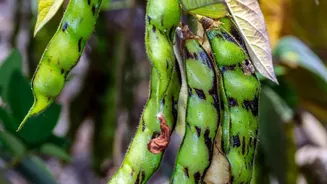
Plant pests and diseases are a devastating reality in Indian agriculture. Experts estimate that they cause annual crop losses worth thousands of crores, a staggering figure that directly impacts the financial stability of farming families. Traditionally,
identifying a problem meant relying on guesswork or waiting for an agricultural expert to visit the farm, a process that could take precious days or weeks. By the time a diagnosis was made, the disease may have already spread, leading to significant yield reduction and wasted resources on ineffective treatments. This uncertainty has long been one of the biggest challenges for farmers, turning each growing season into a high-stakes gamble against nature.
An Expert in Every Farmer's Pocket
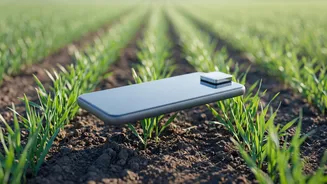
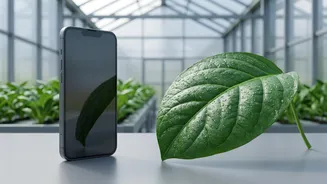
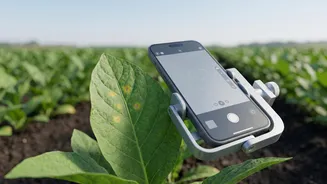
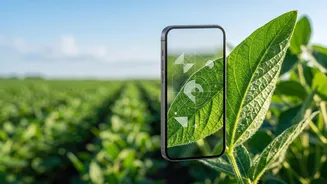
Artificial intelligence is changing this dynamic by putting a digital agronomist into the hands of every farmer. The technology is remarkably simple to use but incredibly powerful. A farmer simply takes a photo of an affected plant leaf or stem with their smartphone. An AI-powered application then analyzes the image, comparing it against a vast database containing tens of thousands of pictures of plant diseases. Using advanced image recognition, the app can identify the specific disease or pest within seconds, often with an accuracy rate exceeding 90%. But it doesn't stop at diagnosis. The app then provides an immediate, actionable advisory, suggesting specific and appropriate treatments, including the correct type and dosage of pesticide, often in the farmer's local language.
On the Ground in Punjab & Maharashtra
This technological revolution is not just a concept; it is actively being deployed in the fields of Punjab and Maharashtra, two of India's key agricultural states. In Maharashtra, the government is collaborating with institutions like IIT Bombay to roll out the MahaVISTAAR-AI app, which can identify dozens of pests and diseases for major crops and provide guidance in Marathi. The state has also launched ambitious pilot projects involving thousands of farmers to study the impact of AI on cash crops like cotton, soybean, and sugarcane. In Punjab, agricultural universities are championing the move to smart farming. Apps like 'Fasal Doctor' have been developed specifically for the region, with crucial features like offline functionality to work in remote areas without internet and advisories in Punjabi. Other initiatives from institutions like Chandigarh University have focused on creating apps to protect key crops such as potatoes and tomatoes from common ailments. These targeted programs ensure the technology is relevant to the specific crops and conditions faced by local farmers.
More Than Just Saving Crops
The benefits of this technology extend far beyond just identifying a fungus or pest. By providing precise treatment advice, these AI tools help farmers avoid the overuse of broad-spectrum pesticides. This not only saves them money but also reduces the environmental impact of chemical runoff. Furthermore, the data-driven approach helps optimize resource management in other areas. Some AI-based pilot projects in Maharashtra have demonstrated water savings of up to 42% through smarter irrigation management. Ultimately, this technology empowers farmers by reducing their dependence on external, often inaccessible, expertise. It allows them to make timely, informed decisions that lead to healthier crops, increased yields, and a more stable income, boosting their resilience against the many uncertainties of agriculture.
The Future of Smart Farming
While the potential is immense, the path to widespread adoption has its challenges. Ensuring digital literacy among farmers and improving internet connectivity in rural interiors remain critical hurdles. Developers are tackling this by creating offline-capable apps and ensuring the user interfaces are simple and available in local languages. The AI models themselves also require continuous updates with new data to remain accurate against evolving plant diseases. However, with strong support from both government bodies and private agritech companies, these tools are becoming more sophisticated and accessible every day. This is not just about an app; it represents a fundamental shift towards a more precise, productive, and sustainable agricultural sector in India.