







What Exactly Is Ambali?
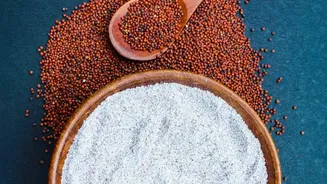
Ambali is a traditional South Indian drink with a consistency somewhere between a thin porridge and a hearty beverage. Known as Ragi Koozh or Ragi Java in different regions, its foundation is simple: ragi (finger millet) flour cooked into a paste. The
magic happens next, when the mixture is left to ferment, usually overnight. This process gives Ambali its signature mild, tangy flavour. Historically, it was the go-to breakfast for farmers, valued for its cooling properties and ability to provide sustained energy for a day of hard labour. Traditionally, the fermented base is mixed with buttermilk or curd, salt, and often garnished with finely chopped raw onions, transforming it into a savoury and refreshing drink.
The Probiotic Powerhouse
The secret to Ambali's comeback is fermentation. This age-old technique turns the simple millet porridge into a rich source of natural probiotics—the beneficial bacteria crucial for a healthy gut. The process encourages the growth of live cultures like Lactobacillus, similar to those found in yoghurt, which help improve digestion and support the immune system. Crucially, fermentation also breaks down 'anti-nutrients' like phytic acid that are naturally present in the grain. This makes the abundant minerals in ragi, especially calcium and iron, more easily absorbed by the body.
From Farmland to Cafe Counter
So, how did a farmer’s breakfast find its way onto premium cafe menus? Ambali's rise is fueled by a global wellness movement that champions gut health and a 'back-to-roots' philosophy. As health-conscious urbanites seek authentic, local superfoods over processed alternatives, Ambali fits perfectly. It’s India’s own time-tested answer to the global craze for fermented drinks like kombucha and kefir. Cafes are giving this traditional drink a modern makeover, serving it in chilled glasses and experimenting with flavour profiles by adding spices like roasted cumin or ginger, and garnishes like fresh mint. This rebranding makes it appealing to a new generation that values both wellness and cultural authenticity.
More Than a Trend
Beyond the buzz, the nutritional foundation of Ambali is finger millet itself. Ragi is a celebrated powerhouse in Indian food traditions. It is naturally gluten-free and has one of the highest calcium contents among all cereals, making it excellent for bone health. It's also a fantastic source of iron and dietary fibre. This fibre helps regulate blood sugar levels, aids in digestion, and promotes a feeling of fullness, which can assist with weight management. The low glycemic index of ragi makes Ambali a suitable option for those managing blood sugar levels. By bringing this nutritious grain back into the mainstream, the Ambali trend does more than just offer a new beverage choice; it revives interest in a sustainable and powerful local crop.
A Taste of Modern Tradition
For first-timers, Ambali offers a unique taste experience. Expect a smooth, slightly thick texture with an earthy flavour from the ragi, complemented by a refreshing tang from the fermentation and buttermilk. While traditionally served savoury with chopped onions and chillies, some cafes are experimenting with sweet versions using jaggery or even fruit purees. The rise of Ambali is more than just a fleeting food fad; it's a celebration of culinary heritage. It signifies a renewed appreciation for the wisdom embedded in traditional Indian kitchens, proving that what's old can be new, cool, and incredibly good for you.