






The Hidden Problem in Cold Teas
The convenience of a pre-made iced tea or a fancy cafe cooler is undeniable, but it often comes at a cost. Many commercially prepared cold teas are loaded with refined sugar, high-fructose corn syrup, and artificial flavourings. These sugary syrups do
more than just sweeten your drink; they contribute empty calories and can lead to health issues when consumed in excess. Moving away from these processed sweeteners doesn't mean sacrificing flavour. In fact, it opens up a world of complex, nuanced tastes derived directly from nature, many of which have been cherished in Indian households for centuries.
Hibiscus: The Crimson Cooler
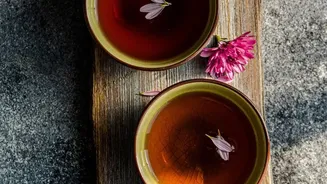
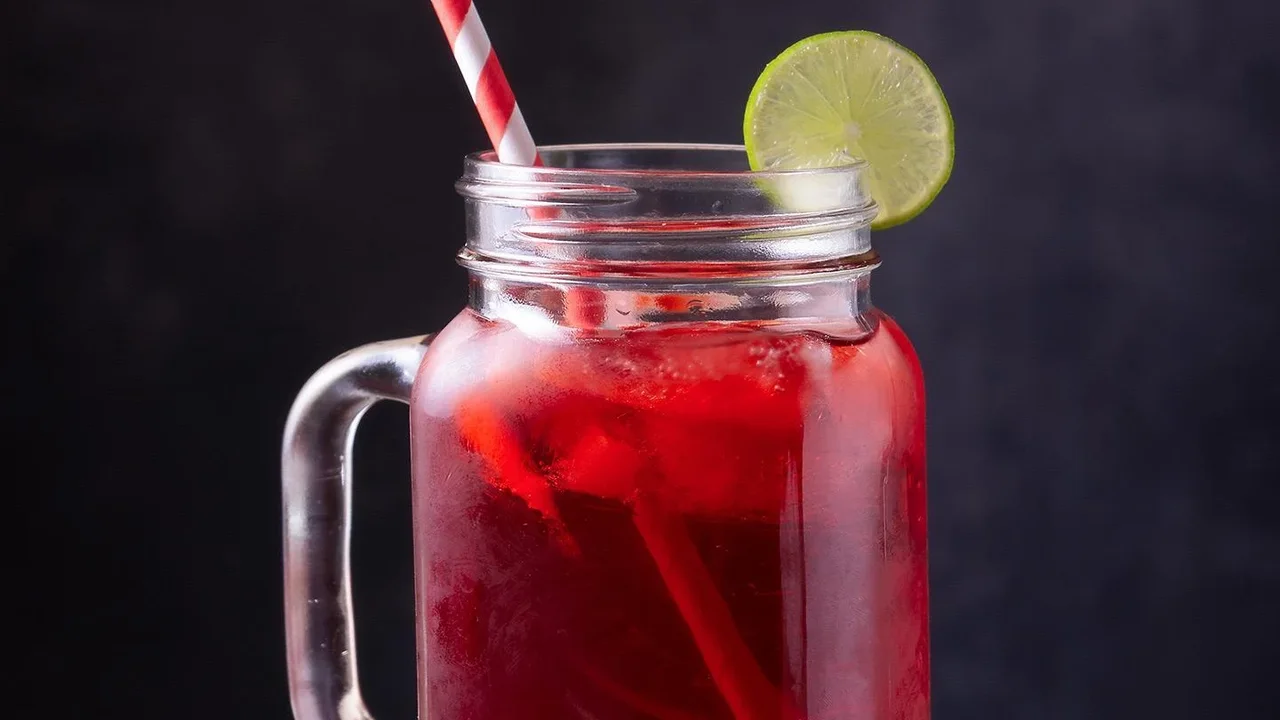
Perhaps the most well-known botanical for beverages, the vibrant hibiscus flower, or 'gudhal,' creates a stunning crimson-hued tea. Its flavour is naturally tart and tangy, often compared to cranberries, with a subtle sweetness that reduces the need for added sugar. When brewed and chilled, it becomes a deeply refreshing drink. Hibiscus is celebrated not just for its taste but also for its health benefits. It's packed with antioxidants like Vitamin C and beta-carotene. Studies have shown it may help lower blood pressure and cholesterol levels, fight inflammation, and support liver health.
Kokum: The Tangy Refresher from the Ghats
Hailing from the Western Ghats, kokum (Garcinia indica) is a small, purple-red fruit prized for its unique flavour profile. It delivers a sour tang balanced by a mild, fruity sweetness, making its syrup or infusion an excellent base for a summer cooler. Traditionally known as a 'sherbet,' kokum juice is valued for its digestive properties and its ability to cool the body, making it a staple in coastal Indian regions during hot weather. Rich in antioxidants, kokum is also considered an anti-inflammatory agent and helps improve appetite and gut health. A simple kokum infusion provides a complex flavour that sugar alone could never replicate.
Bael: The Sacred Soother
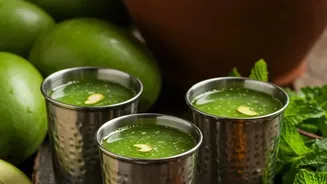
Bael, or wood apple, is a fruit with a long history in Ayurvedic traditions. The pulp of the ripe fruit, when mixed with water, creates a soothing and subtly sweet drink known as 'bael sharbat'. While less intense than hibiscus or kokum, its gentle, aromatic flavour is deeply satisfying. Bael is renowned for its digestive benefits, helping to alleviate both constipation and diarrhoea. It's a natural coolant, rich in dietary fibre, potassium, and vitamins A and C, which help boost the immune system and regulate body temperature during the sweltering summer months.
Beyond the Big Three: Buransh and More
The world of Indian botanicals extends far beyond these common choices. In the Himalayan regions, the brilliant red petals of the Rhododendron flower, known locally as 'buransh,' are used to create a welcome drink. The juice is sweet, floral, and believed to help manage metabolism and heat strokes. Other ingredients like amla (Indian gooseberry) can add a tart, vitamin-C-rich kick, while spices like cinnamon, cardamom, and ginger can introduce a gentle, warming sweetness to any cold brew, further reducing the desire for refined sugar.
Making Your Own Botanical Brew
Creating your own botanical cold tea is simple. For dried ingredients like hibiscus flowers or kokum peels, you have two main options. You can make a hot infusion by steeping the botanicals in hot water for 5-10 minutes before straining and chilling. Alternatively, try a cold brew by placing the ingredients in a jar of cold water and letting it infuse in the refrigerator for several hours or overnight. This slow extraction method often results in a smoother, less bitter flavour. For fresh ingredients like bael pulp, simply mix the pulp with water, mash well, and strain to create your base. You can add a touch of jaggery or honey if you prefer a sweeter taste, but you'll find these botanicals often need very little enhancement.