




The Humble Superfood's Glow-Up
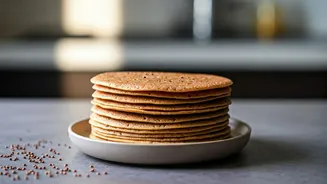
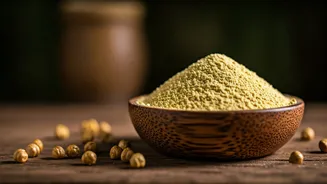
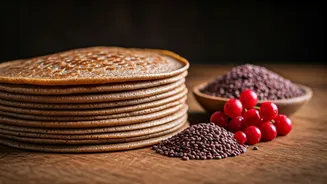
At the heart of this trend is ragi, or finger millet, a grain that is anything but new to Indian kitchens. For generations, it has been a staple food in states like Karnataka, Maharashtra, and Tamil Nadu, known for its incredible resilience as a crop
and its dense nutritional profile. Traditionally consumed as ragi mudde (balls), ambali (a fermented porridge), or dosas, ragi has long been the food of farmers and labourers, valued for its ability to provide sustained energy. So, what changed? In an era obsessed with 'superfoods,' ragi’s inherent qualities finally found a global audience. It’s a nutritional powerhouse, and the modern wellness movement was bound to rediscover it.
A Nutrient-Dense Powerhouse
The primary driver of ragi’s comeback is its stellar health resume. It is naturally gluten-free, making it an excellent choice for those with celiac disease or gluten sensitivity. It’s packed with calcium, boasting one of the highest contents among all cereals, which is crucial for bone health. But that’s not all. Ragi is also rich in dietary fibre, which aids digestion, helps manage blood sugar levels, and promotes a feeling of fullness, making it a great food for weight management. Its high iron content helps combat anaemia, a common concern in India. Furthermore, it contains essential amino acids like methionine and is rich in antioxidants that fight cellular damage. This impressive profile makes it a one-stop-shop for anyone looking to boost their nutritional intake.
The Perfect Canvas for Reels
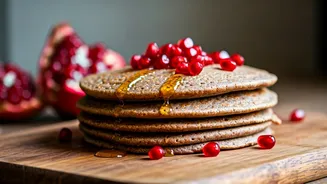
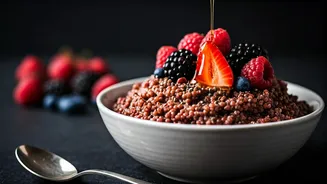
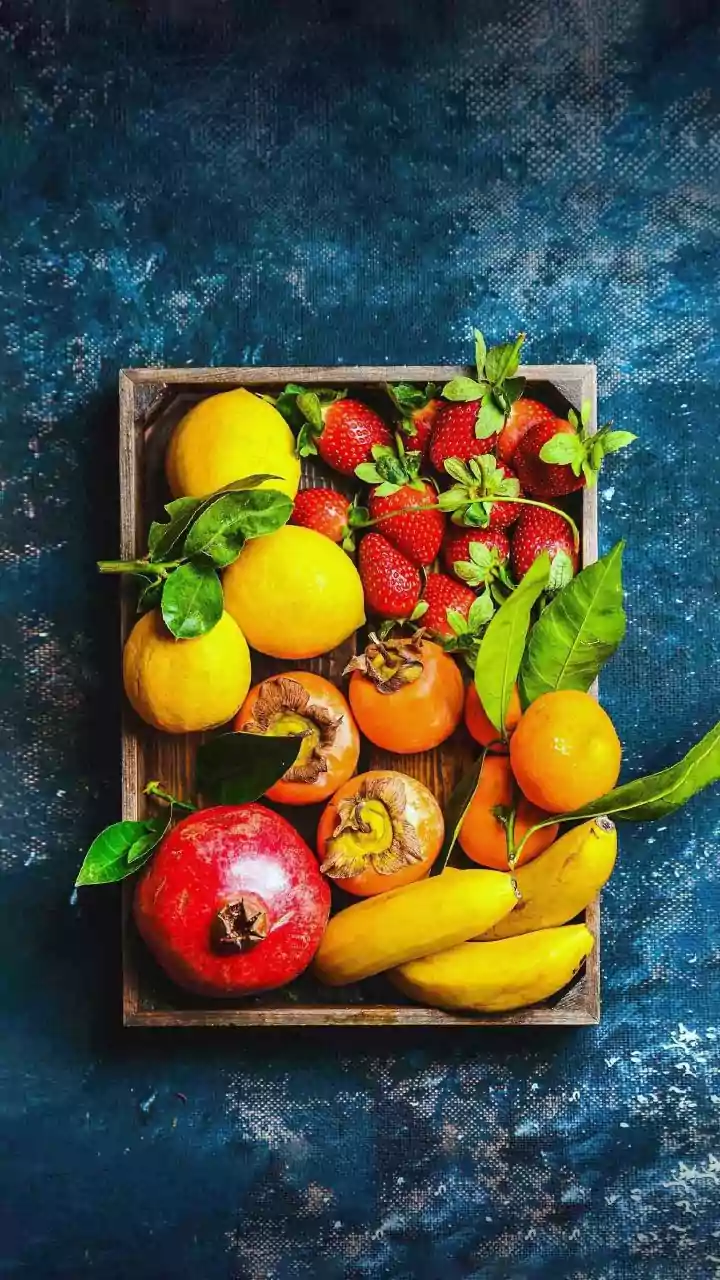
Health benefits alone don’t make a trend go viral; aesthetics do. The modern ragi porridge bowl is a masterclass in visual appeal. The porridge itself has a deep, earthy brown colour that acts as a neutral, beautiful canvas. Against this backdrop, vibrant toppings pop, creating a visually stunning dish that is practically designed for social media. Think bright red pomegranate seeds, sliced yellow bananas, deep blue blueberries, green pumpkin seeds, and swirls of golden honey or dark jaggery syrup. Every bowl is a unique work of art. This 'Instagrammability' is a huge reason for its virality. Food creators can showcase their creativity, and viewers are drawn to the beautiful, healthy-looking meals, inspiring them to try making their own.
Endless Customisation and Versatility
Another key factor is its sheer versatility. A ragi porridge bowl is not a one-size-fits-all recipe. It can be made sweet or savoury, thin or thick. You can cook the ragi flour with water, milk, or a plant-based alternative like almond or coconut milk. For a sweet version, you can add jaggery, dates, or a touch of maple syrup, along with fruits, nuts, and seeds. For a savoury twist, it can be cooked with buttermilk and seasoned with salt, cumin, and chopped coriander, much like traditional ambali. This high degree of customisation means it can cater to any palate and dietary preference, from vegan to sugar-free. This aligns perfectly with the modern desire for personalised nutrition and creative expression in the kitchen.
Convenience for a Modern Lifestyle
Despite its sophisticated appearance in reels, ragi porridge is incredibly simple and quick to prepare. Roasting the ragi flour for a few minutes and then cooking it with a liquid takes no more than 10-15 minutes. This makes it an ideal breakfast or light meal for people with busy schedules who don’t want to compromise on health. It offers the comfort of a warm porridge with the benefits of a complex carbohydrate, providing slow-release energy that keeps you going for hours without the crash associated with sugary breakfast cereals. This combination of health, speed, and comfort makes it a practical and sustainable choice for a daily routine, moving it beyond a fleeting trend into a genuine lifestyle staple.