




The New Arteries of the Wild
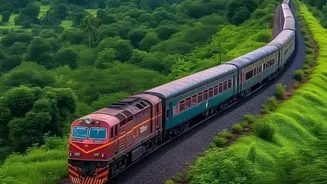
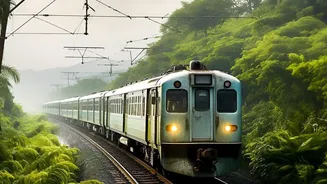
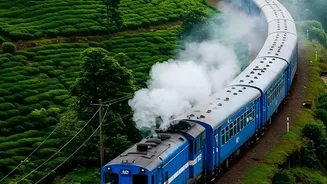
Central India's vast and beautiful wildlife corridors are becoming easier to explore thanks to a strategic push to upgrade the railway network. Key among these developments is the doubling of the Gondia-Jabalpur line and the addition of third and fourth
lines on congested routes radiating from Nagpur. These projects, part of the PM-Gati Shakti National Master Plan, are designed to increase capacity, reduce travel time, and improve connectivity throughout the region. For the solo traveller, this translates into more frequent and reliable train services to the doorsteps of some of India’s most iconic wild spaces, significantly cutting down on expensive and often complicated road journeys.
Pench: A Tiger Corridor by Rail
Pench National Park, immortalised as the setting for Rudyard Kipling’s “The Jungle Book,” was once primarily accessed via a costly taxi ride from Nagpur, over 90 kilometres away. This added a significant expense, especially for solo travellers. The recent gauge conversion and enhanced services on the lines connecting to towns like Seoni have changed the game. Seoni railway station is now the closest railhead, just 30-70 km from the park's various gates, making the final leg of the journey much shorter and cheaper. This improved rail link means independent explorers can now rely on a short taxi or local bus ride, saving hundreds, if not thousands, of rupees that can be better spent on an extra safari.
Kanha: Deeper into Kipling's World
Similarly, the legendary Kanha National Park is now more accessible thanks to the upgraded Gondia-Jabalpur corridor. Previously, reaching Kanha often involved a long road trip from major hubs like Jabalpur or Nagpur. Now, stations like Balaghat and Gondia serve as much closer and more convenient entry points. The doubling of the Gondia-Jabalpur line is specifically aimed at boosting tourism to both Kanha and Pench. For a solo traveller, this means avoiding the high cost of a private multi-hour taxi. Instead, you can take a comfortable and economical train ride to a station like Balaghat and then arrange for a much more affordable local transfer to your lodge near the park.
Exploring Lesser-Known Gems
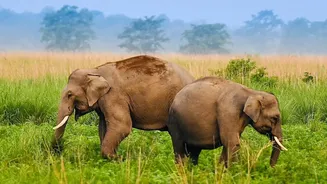
The benefits of these rail upgrades extend beyond the famous tiger reserves. The improved network also opens up access to quieter, less-crowded sanctuaries that offer a more intimate wildlife experience. Parks like Nagzira-Nawegaon Tiger Reserve and the Satpura-Melghat corridor, which are critical for wildlife movement, are now better connected. Stations on the Gondia-Jabalpur and Itarsi-Nagpur lines serve as gateways to these biodiversity hotspots. For the adventurous solo traveller, this is a golden opportunity to explore pristine forests away from the mainstream tourist trail, experiencing the tranquility of the jungle while supporting the conservation of these vital habitats.
The Solo Traveller's Advantage
The impact of these railway improvements is most profound for the solo, budget-conscious traveller. The primary advantage is the massive reduction in transportation costs. A train ticket costs a fraction of a private taxi hired for a 100-200 km journey. This allows for a more flexible itinerary; you can easily plan a multi-park trip, hopping from Pench to Kanha, without breaking the bank. Furthermore, train travel in India is an experience in itself, offering a safe and culturally rich way to see the country. By making the journey to the buffer zones of these reserves more affordable, the new rail links empower more people to experience the magic of India's wildlife independently.