


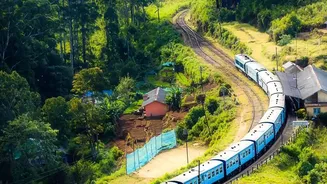
Why Trains and Hostels?
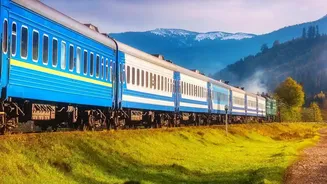
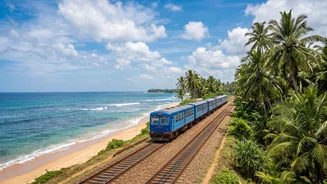
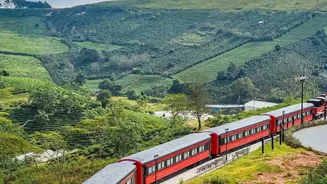
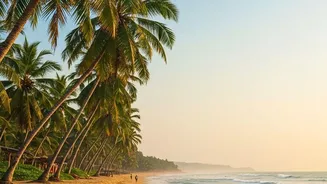
Choosing trains and hostels isn't just a way to save money; it's a way to experience Sri Lanka authentically. The island's railway system offers some of the most beautiful journeys in the world, winding through misty hill country and along the stunning
coastline. It's a mode of transport and a core part of the adventure. Hostels, meanwhile, provide more than just a cheap bed. They are vibrant social hubs perfect for meeting fellow travelers, sharing tips, and finding travel buddies. In Sri Lanka, budget accommodation often means cozy guesthouses and family-run homestays, where you can experience the country's legendary hospitality firsthand. A solo traveler can comfortably get by on $30-$50 per day.
Navigating Sri Lanka's Famous Railways
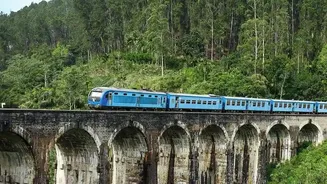
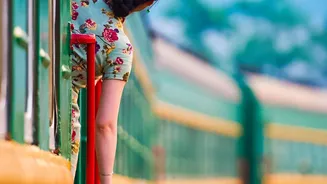
Sri Lanka's trains are a highlight, particularly the route from Kandy to Ella. This journey is world-renowned for its breathtaking views of rolling tea plantations, waterfalls, and charming villages. Other scenic routes include the coastal line from Colombo to Galle, where the tracks run right alongside the Indian Ocean. Trains have different classes. First class offers air-conditioning and reserved seats, while second and third class have open windows perfect for photography and enjoying the breeze. Unreserved tickets are cheap and can be bought at the station on the day of travel, but these carriages can get very crowded. For popular routes like Kandy to Ella, it's highly recommended to book a reserved seat in advance, which can be done at major stations or through online agents.
Finding Your Home in Hostels
Sri Lanka has a well-developed network of hostels and budget guesthouses in all major tourist areas, including Colombo, Kandy, Ella, and coastal towns like Mirissa and Arugam Bay. A dorm bed typically costs between $7 and $17 per night. Many hostels offer private rooms for a slightly higher price. Beyond just a place to sleep, these accommodations often feature common areas, shared kitchens, and sometimes even pools or gardens, making them great places to relax and socialize. Websites like Hostelworld and Booking.com are excellent resources for finding and booking stays based on reviews from other travelers. Many hostels are known for their friendly atmosphere and helpful staff who can provide invaluable local tips.
A Sample 7-Day Budget Itinerary
Here is a classic route that combines culture, nature, and the coast, all achievable on a budget: Day 1-2: Kandy: Arrive in Colombo and take a train or bus to Kandy. Spend your time visiting the Temple of the Sacred Tooth Relic and walking around the beautiful Kandy Lake. Day 3-4: Ella: Take the famous morning train from Kandy to Ella. Spend the next day hiking to Little Adam's Peak, visiting the Nine Arch Bridge, and exploring the relaxed backpacker town. Day 5-6: The South Coast (Mirissa or Weligama): From Ella, travel by bus down to the coast. Mirissa is great for whale watching (in season) and relaxing on the beach. Weligama is a beginner-friendly surf spot. Hostels are plentiful in both towns. Day 7: Galle & Departure: Take a coastal train from the south to Galle to explore the historic Dutch Fort, a UNESCO World Heritage site. From Galle, it's a straightforward train or bus ride back to Colombo for your departure.
Eating Well on a Small Budget
Food in Sri Lanka is both delicious and incredibly cheap. To keep costs low, eat at local eateries, often called "kades" or "hotels." A massive plate of rice and curry, the national dish, can cost as little as $1-$3. Street food is another budget-friendly option. Look for kottu roti (chopped flatbread stir-fried with vegetables and spices) or hoppers (bowl-shaped pancakes made from rice flour). A filling meal from a street vendor will rarely cost more than a few dollars. Drinking fresh king coconut water straight from the source is a cheap and refreshing way to stay hydrated.
Essential Pre-Trip Planning
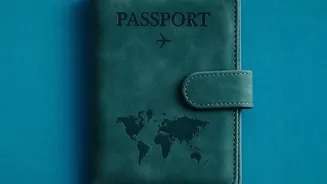
Before you go, a little preparation will ensure a smooth trip. For Indian citizens, Sri Lanka offers visa-free travel, but you must obtain an Electronic Travel Authorization (ETA) online before you arrive. This process is usually straightforward and sometimes free of charge, though a service fee may apply. It is highly recommended to get the ETA in advance to avoid delays at the airport. The local currency is the Sri Lankan Rupee (LKR). While cards are accepted in larger hotels and restaurants, it's essential to carry cash for hostels, local food, and tuk-tuks. Finally, pack light clothes, a rain jacket (depending on the season), mosquito repellent, and a universal power adapter.