







A Taste of Tradition
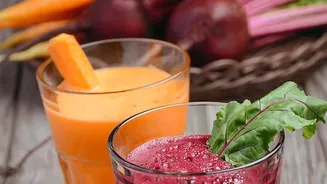
For generations, the arrival of winter in North India has been marked by the appearance of 'kali gajar', or black carrots. These aren't your everyday orange carrots; they possess a deep, earthy sweetness and a stunning purplish-black hue. For many, their
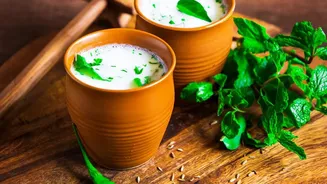
primary purpose was to be transformed into Kanji, a beverage with a unique flavour profile that’s sharp, pungent, and deeply refreshing. Traditionally prepared in large glass or ceramic jars left to ferment in the sun, Kanji is a staple during the transition from winter to spring, often consumed around the festival of Holi. The process is a labour of love: carrots are chopped and mixed with water, ground mustard seeds, salt, and sometimes other spices, then allowed to naturally ferment over several days. The result is a tart, complex drink that has been a part of the local diet long before the term 'probiotic' entered our common vocabulary.
The Science of Fermentation
At its core, Kanji is a product of lacto-fermentation, a natural process that puts it squarely in the category of modern probiotic darlings. When the carrots, water, and spices are left to sit, naturally occurring microbes—primarily Lactic Acid Bacteria (LAB)—begin to consume the sugars from the carrots. This process creates lactic acid, which not only acts as a natural preservative but is also responsible for Kanji's signature tangy taste. More importantly, it cultivates a rich environment of beneficial bacteria, or probiotics. Scientific studies have identified several strains of probiotics in Kanji, including Pediococcus acidilactici and various Lactobacillus species, which are known for their positive effects on gut health. These live microorganisms help balance the gut microbiome, which is crucial for good digestion, nutrient absorption, and overall immunity.
More Than Just a Probiotic
While the probiotic benefits are impressive, Kanji’s health-boosting properties don't stop there. The star ingredient, the black carrot, is a nutritional powerhouse in its own right. Its deep, dark colour comes from anthocyanins, a type of potent antioxidant. In fact, black carrots have significantly higher antioxidant activity than their common orange counterparts. Antioxidants are vital for protecting our bodies from oxidative stress, which is linked to chronic diseases like heart disease and diabetes. Black carrots are also a rich source of vitamins A, C, and K, as well as essential minerals like potassium. The anthocyanins they contain have been noted for their anti-inflammatory properties, ability to support heart health by improving blood circulation, and benefits for eye health.
The Desi Answer to a Global Trend
The Indian probiotic drinks market is currently experiencing a massive boom, with forecasts predicting a compound annual growth rate of over 16%. Consumers are increasingly health-conscious and are actively seeking out functional beverages that support digestive wellness. This has led to the widespread popularity of drinks like kombucha and kefir, which are often expensive and commercially produced. Kanji offers a compelling, homegrown alternative. It is a non-dairy, plant-based beverage that can be easily and inexpensively made at home, giving you complete control over the ingredients. Some studies have even suggested that homemade Kanji can possess a higher probiotic and antioxidant profile compared to some bottled commercial probiotic drinks. In a world leaning towards rediscovering traditional wisdom, Kanji stands out as an authentic, sustainable, and effective wellness drink.