




The Head-to-Head Calorie Count
When it comes to pure calories, butternut squash is the clear lightweight. A one-cup serving of cooked, cubed butternut squash contains around 82 calories. In contrast, the same amount of cooked sweet potato comes in at about 180 calories, more than double
that of the squash. This significant difference is largely due to water and carbohydrate content. Butternut squash is roughly 87% water, making it less calorically dense. For anyone focused on weight management or reducing calorie intake, butternut squash allows for a larger, more voluminous serving for fewer calories, which can help with feeling full.
A Look at Carbs and Fibre
The calorie difference is directly tied to carbohydrates. That one-cup serving of sweet potato packs about 41 grams of carbs, whereas butternut squash has a much lower 22 grams. If you're following a low-carb diet or simply watching your carb intake, butternut squash is the more suitable option. However, it's not just about the total number. Both vegetables are excellent sources of dietary fibre, with each providing around 6.6 grams per cup, which is crucial for digestive health, feeling full, and maintaining stable blood sugar levels. Sweet potatoes contain slightly more protein, around 4 grams per cup compared to just under 2 grams for butternut squash, though neither is considered a primary protein source.
The Blood Sugar Impact
How these vegetables affect your blood sugar, measured by the glycemic index (GI), is a critical consideration. Here, the way you cook them matters immensely, especially for sweet potatoes. Boiled sweet potatoes have a relatively low GI of around 46, meaning they release sugar into the bloodstream more slowly. However, baking or roasting a sweet potato can cause its GI to jump to 80 or higher, which is considered high. Butternut squash is more consistent, with a GI of around 51 regardless of whether it's boiled or baked. This makes butternut squash a more predictable choice for individuals who need to manage their blood sugar levels carefully.
The Vitamin and Mineral Showdown
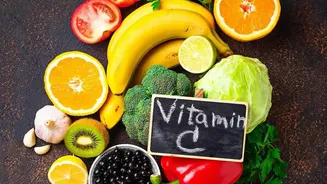
Both vegetables are nutritional powerhouses, but they shine in different areas. Both are incredibly rich in vitamin A, thanks to their orange hue from beta-carotene. Sweet potatoes are famous for their vitamin A content, with a single medium sweet potato providing well over 100% of your daily needs. Butternut squash is also an exceptional source, supporting eye health and immune function. When it comes to vitamin C, both are strong contenders, with a cup of sweet potato providing about 43% of your daily value and butternut squash offering around 34%. Sweet potato takes a noticeable lead in potassium, an essential mineral for blood pressure and heart health, offering about 950mg per cup compared to 582mg in butternut squash.
The Verdict: Which Should You Choose?
Ultimately, neither vegetable is 'better' than the other; they simply serve different nutritional purposes. The right choice depends entirely on your personal health goals. Choose butternut squash if your priority is: - Lowering calorie and carbohydrate intake.- A more stable and predictable impact on blood sugar.- A lighter vegetable that can be used in larger volumes in soups and side dishes.Choose sweet potato if your priority is: - Maximising your intake of fibre, potassium, and vitamin A.- A more calorie-dense and filling option to fuel workouts or keep you full longer.- You are able to prepare it by boiling to keep its glycemic index low.