





The Sobering Impact of Plastic Decor
From vibrant lanterns to shimmering tinsel and ornate figurines, plastic is the backbone of most affordable festive decorations. While cheerful and budget-friendly, these items have a dark side. They are often designed for short-term use, contributing
to a massive surge in household waste each year. Much of this plastic is difficult, if not impossible, to recycle and ends up in landfills, where it can take centuries to break down. Worse, these items shed tiny particles known as microplastics, which can contaminate the environment and pose risks to health. Glitter, fake snow, and confetti are significant culprits, easily dispersing into the air and soil, creating a lasting pollution problem long after the celebrations have ended.
The Brilliance of LED Technology
This is where LED copper lights shine, both literally and figuratively. The first major advantage is their incredible energy efficiency. Light Emitting Diodes (LEDs) consume up to 90% less energy than the traditional incandescent bulbs found in older festive lighting. Incandescent bulbs work by heating a tiny filament until it glows, wasting a significant amount of energy as heat. This not only drives up your electricity bill but also makes them hot to the touch, posing a potential fire risk around flammable materials like trees and curtains. LEDs, by contrast, generate light through the movement of electrons in a semiconductor material, producing very little heat. This makes them cooler, safer, and dramatically cheaper to run over a festive season.
Why the Copper Wire Matters
The sustainability of these lights isn't just about the LED bulbs; the copper wire itself is a key component. Unlike the plastic casings and wires of many conventional decorations, copper is a highly durable and valuable material. It is 100% recyclable without any loss of purity or performance, meaning it can be melted down and reused indefinitely. In fact, recycling copper saves up to 85% of the energy required to mine and produce new copper. This creates what is known as a 'closed-loop' system, where the material can be perpetually repurposed. Plastic, on the other hand, is notoriously difficult to recycle effectively, with a very low percentage ever being reprocessed. Most of it ends up in landfills, contributing to long-term pollution.
Built to Last, Season After Season
One of the core principles of sustainability is moving away from a 'use and throw' culture. LED copper lights are a perfect example of this principle in action. While a strand of cheap plastic lights might break or fade after one or two uses, high-quality LED lights have a remarkably long lifespan. They can last for 25,000 hours or even more, compared to just 1,000 to 2,000 hours for typical incandescent bulbs. This means a single set of LED copper lights could serve your family for well over a decade, if not longer. This durability means less waste is generated over time, and while the initial purchase price might be slightly higher, the savings on energy bills and replacement costs make them a more economical choice in the long run.
Versatile Style Beyond the Festive Season
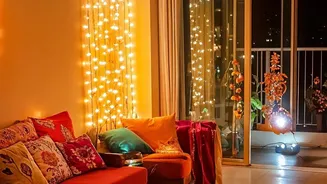
Another sustainable advantage of LED copper lights is their versatility. Their delicate, minimalist aesthetic makes them suitable for more than just Diwali or Christmas. These lights can be woven into houseplants, draped over bed frames, placed inside glass jars for a magical glow, or strung along a balcony for year-round ambiance. Because they are not tied to a specific festival's iconography, their useful life extends far beyond a few weeks a year. This continuous use increases their value and further justifies the investment in a quality product, ensuring they are enjoyed for their full, long lifespan rather than being packed away and forgotten.