
Understanding the Challenge
The water crossings, or 'nullahs', on the Manali-Leh route are not your average puddles. Fed by melting snow and glaciers, their depth and intensity change throughout the day. Water levels are typically lowest in the early morning and rise significantly
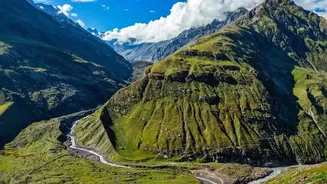
by the afternoon as the sun melts more snow. These crossings are often found on challenging sections like the ascent to Baralacha La and can feature a mix of icy water, slush, and hidden rocks. A stalled vehicle here isn't just an inconvenience; it's a serious safety risk in a remote, high-altitude environment with limited assistance.
Engine and Exhaust Preparation
Your engine's air intake is its most vulnerable point. If it sucks in water, you risk 'hydro-locking' the engine—a catastrophic and expensive failure. For serious 4x4s, a snorkel is the best defense, raising the air intake point above water level. For other vehicles, a 'water blind' or a simple tarp secured over the grille can create a bow wave that pushes water away from the engine bay. On motorcycles, ensure the air filter intake is well-protected. Also, check your exhaust. While a running engine will push water out, if you stall, water can be sucked back into the engine. Knowing your vehicle’s limits and maintaining steady momentum is key.
Electrical System Fortification
Modern vehicles are heavily reliant on electronics, and water is their nemesis. Before your trip, meticulously inspect and waterproof key electrical components. On motorcycles, this means applying a water-displacing spray like WD-40 to the CDI unit, ignition coil, spark plug caps, and all major electrical couplers. For cars, ensure battery terminals are clean, tight, and coated with petroleum jelly to prevent corrosion. Pay attention to the fuse box and ensure it's sealed. Carrying spare fuses and bulbs is a non-negotiable part of your toolkit.
Brakes, Suspension, and Tyres
Your brakes will be submerged in icy, gritty water. Get them thoroughly checked before you leave; replace brake pads if they show significant wear. After each major water crossing, gently pump your brakes to dry them and restore performance. The highway's broken tarmac and rocky patches will punish your suspension, so have it inspected for any weakness. Tyres are your only contact with the road. They should have at least 70-80% of their tread remaining. For motorcycles, especially those with spoked wheels, carrying spare tubes and a puncture repair kit is vital. A portable air compressor is one of the most important tools you can carry.
The Pre-Trip Service Checklist
About a week before your trip, take your vehicle to a trusted mechanic and be specific about your destination. Get a full service done, paying special attention to the following: change the engine oil (synthetic oil handles temperature extremes better), replace the air filter, check all fluid levels (coolant, brake fluid, transmission fluid), and test the battery. For diesel cars, have the injectors checked; for petrol cars, inspect the spark plugs. After the service, drive the vehicle for a few days to ensure everything is running perfectly before you set off.
Your On-Road Survival Kit
Beyond a standard toolkit, your Manali-Leh kit needs specific items. Pack a complete tubeless puncture repair kit, a reliable portable tyre inflator, and jumper cables. For motorcycles, add spare clutch and accelerator cables, a spare chain link, and chain lube spray, especially for use after water crossings. Extra fuel is mandatory; the stretch between Tandi and Karu is about 365 km without a petrol pump. Carry 10-20 litres in proper metal jerry cans, not plastic bottles. Finally, a sturdy tow rope can be a lifesaver, either for you or a fellow traveller.