


Why the sudden rush to darkness?
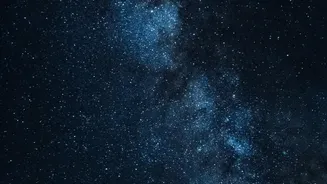
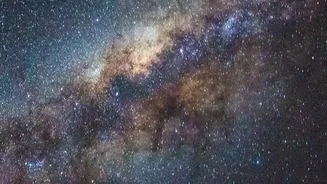
For most of human history, an unobscured, blazing night sky was a universal experience. Today, with widespread light pollution, it’s a luxury. An estimated 80% of the world's population can no longer see the Milky Way from where they live. This loss has
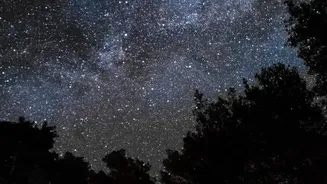
sparked a new travel trend: a quest for darkness. Travellers are venturing to remote corners of the country not just for landscapes, but for the celestial theatre that unfolds after sunset. It's a chance to witness the cosmos as our ancestors did—a river of diamond dust across the sky, nebulae like faint pink clouds, and more stars than you knew existed. This isn't just about pretty views; it's about reconnecting with a fundamental aspect of nature that urban life has hidden.
Hanle, Ladakh: India's Celestial Sanctuary
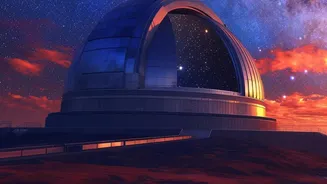
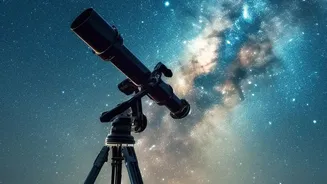
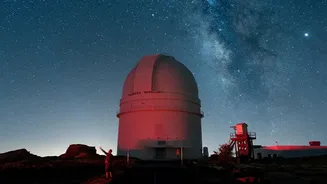
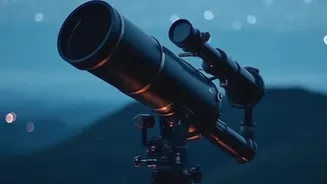
If there's one location that has redefined stargazing in India, it's Hanle. Nestled in Ladakh's Changthang Plateau at a breathtaking altitude of 4,500 metres, this is home to India's first official Dark Sky Reserve. Established in 2022, the reserve enforces strict controls on artificial light to preserve its pristine, Bortle Scale 1 skies—the darkest possible classification. The area's cold, dry desert climate ensures over 270 clear nights a year, making it a dream for astronomers and home to the Indian Astronomical Observatory. For visitors, the experience is transformative. Local villagers, trained as 'Astronomy Ambassadors', guide you through the cosmos with powerful telescopes, pointing out Saturn’s rings or the distant Andromeda Galaxy, all while supporting their community. The journey to Hanle is an adventure itself, but the reward is a view of the universe in its purest form.
Spiti Valley, Himachal Pradesh: A High-Altitude Theatre
Long known for its stark beauty and ancient monasteries, Spiti Valley is also a paradise for stargazers. Its high-altitude villages like Langza, Komic, and Kibber, many sitting above 4,000 metres, are so remote that light pollution is virtually nonexistent. The dry mountain air offers spectacular clarity, turning the sky into a vast, open observatory. Travellers often find that the stargazing here becomes the most memorable part of their trip. On a clear, moonless night between May and October, the Milky Way is vividly visible to the naked eye. It’s a place where you can lay back and watch meteor showers streak across a canvas of infinite stars, feeling profoundly small yet connected to everything.
Rann of Kutch, Gujarat: Stars on a Salt Canvas
For a truly surreal stargazing experience, look no further than the Great Rann of Kutch. This vast salt desert in Gujarat offers an unobstructed, 360-degree view of the sky. Between November and February, during the Rann Utsav festival, the dry winter air creates crystal-clear conditions. The featureless white salt flats create a unique effect; on new moon nights, the darkness is absolute, while on full moon nights, the ground glows, reflecting the moonlight. Lying on the cool salt, you can feel as though you are floating in a celestial dome, with the stars above and their faint shimmer below. It’s an accessible yet otherworldly escape, proving you don’t need mountains for a world-class view of the cosmos.
Coorg, Karnataka: Stargazing in the Western Ghats
Proving that the Himalayas and deserts don't have a monopoly on dark skies, Coorg in Karnataka offers a lush, accessible alternative. Tucked away in the Western Ghats, this hill station's coffee plantations and dense forests act as a natural shield against urban light. While not as high as its Himalayan counterparts, its elevation and cleaner air provide surprisingly clear views, especially from October to February. Many local homestays and eco-resorts now arrange stargazing sessions, often with telescopes and expert guides. You can trek to peaks like Tadiandamol for an unfiltered panorama or simply enjoy the view from a quiet spot near Madikeri. It’s the perfect blend of earthly beauty and celestial wonder, often accompanied by a fresh cup of local coffee.