





The Science of Sweat and Stickiness
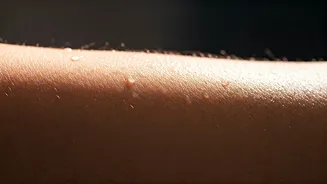
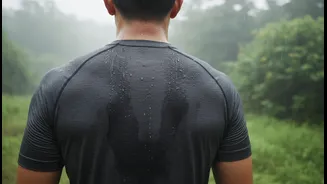
Ever wondered why a 30-degree day during the monsoon can feel more exhausting than a 40-degree dry summer day? It's all about humidity and your body's natural air conditioning system: sweating. Your body cools itself not just by sweating, but by that
sweat evaporating from your skin. This process pulls heat away from the body. However, when the air is already saturated with moisture — as it is during periods of high humidity — there's nowhere for your sweat to go. It can't evaporate effectively, so it just clings to your skin, leaving you feeling sticky and, more importantly, preventing your body from cooling down. This forces your internal temperature to rise and puts significant strain on your cardiovascular system, as your heart has to work harder to pump blood to the skin to try and release heat.
Recognising the Warning Signs
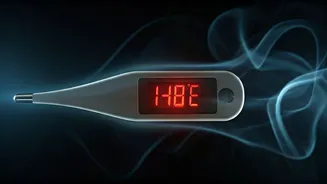
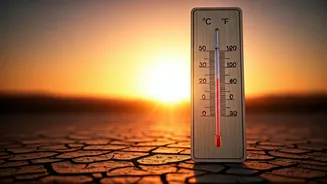
It is crucial to distinguish between the different stages of heat-related illness, as they can progress quickly if ignored. The initial signs often start with heat cramps, which are painful muscle spasms, usually in the legs and abdomen, accompanied by heavy sweating. If you don't stop, cool down, and rehydrate, this can advance to heat exhaustion. Symptoms of heat exhaustion include heavy sweating, a fast but weak pulse, nausea, dizziness, headache, and cool, clammy skin. The most severe stage is heatstroke, which is a life-threatening medical emergency. Key signs of heatstroke include a very high body temperature (above 103°F or 40°C), a rapid, strong pulse, and neurological changes like confusion, slurred speech, or loss of consciousness. A critical, and sometimes confusing, sign is that the person may have hot, dry skin and stop sweating altogether, as their body's cooling mechanism has failed.
Smart Strategies for Monsoon Fitness
Staying active during the rainy season doesn't mean you have to put yourself at risk. It’s about being strategic. First, time your workouts wisely. The coolest, least humid parts of the day are early in the morning or late in the evening, well after sunset. Second, hydrate intelligently. Don't wait until you feel thirsty. Drink water before, during, and after your workout. For longer or more intense sessions, a sports drink can help replenish the electrolytes lost through sweat. Third, dress for success. Opt for lightweight, loose-fitting clothing made from moisture-wicking synthetic fabrics like polyester or nylon blends. These materials pull sweat away from your skin to the outer surface to evaporate. Light-coloured clothes are also better as they reflect sunlight rather than absorbing it. Finally, adjust your expectations. High humidity will slow you down, so reduce the intensity and duration of your usual workout.
When to Choose the Great Indoors
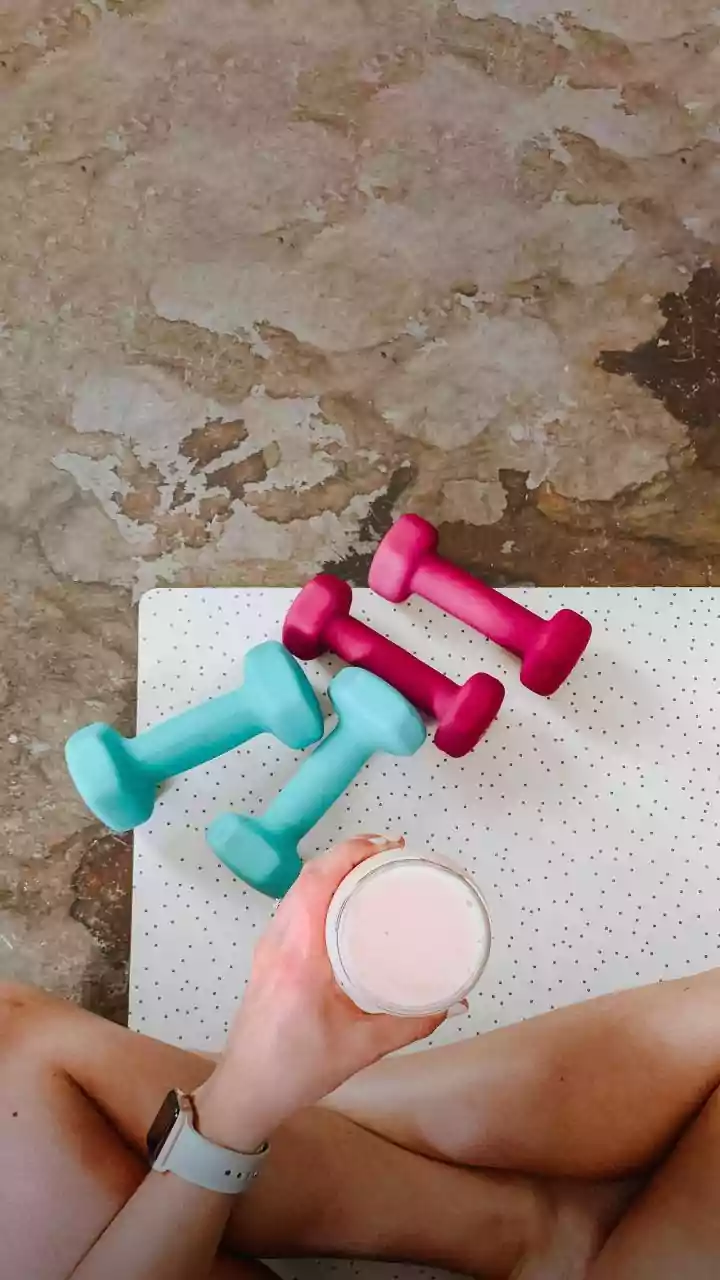
On days when the rain is heavy or the humidity is particularly oppressive, the safest bet is to move your workout inside. This eliminates the risks of slippery surfaces, poor visibility, and, most importantly, the severe heat stress from humidity. Thankfully, there are plenty of effective indoor options. Bodyweight exercises like squats, lunges, and push-ups require no equipment and can be done anywhere. Yoga and Pilates are excellent for building strength and flexibility. If you have access to them, stationary bikes and treadmills are great for cardio. Even simple activities like climbing stairs or using a skipping rope can provide a fantastic cardiovascular workout without exposing you to the harsh weather. The key is consistency, and having a reliable indoor plan ensures the weather doesn't derail your fitness goals.